Bodhi Seed Mala Beads: A Tibetan Spiritual Guide - Buddhabelief

Bodhi Seed Mala Beads: A Tibetan Spiritual Guide

Bodhi Seed Mala Beads: A Tibetan Spiritual Guide

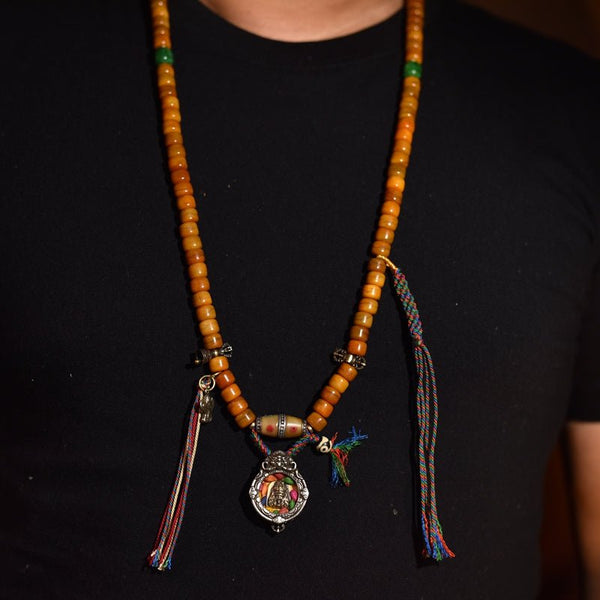
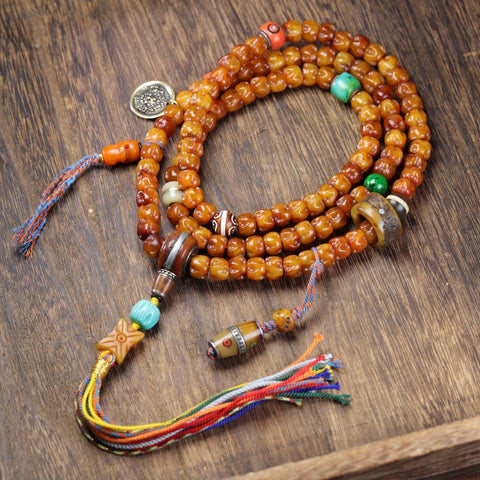
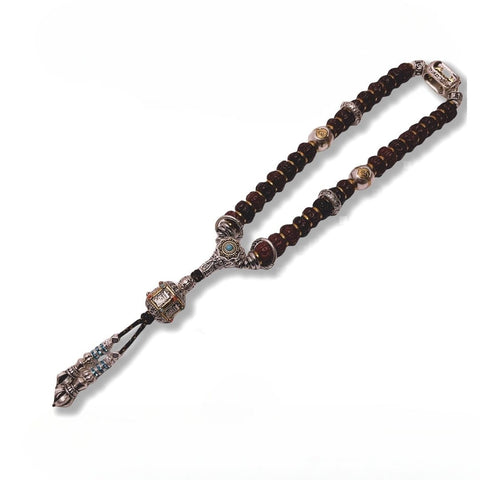
In the quiet spaces of Tibetan monasteries and the hands of devoted practitioners worldwide, you'll often find a simple yet profound tool: bodhi seed mala beads. These aren't mere accessories; they are living artifacts of spiritual discipline, crafted from the seeds of the very tree under which the Buddha attained enlightenment. For centuries, these beads have served as tactile anchors for the wandering mind, counting mantras, marking breaths, and deepening meditation. Unlike many modern interpretations, authentic Tibetan bodhi seed mala beads carry a specific cultural lineage and spiritual weight. They are considered one of the most auspicious materials for a mala, prized not for their flashiness but for their humble connection to the foundational moment of Buddhism. This guide will walk you through their rich history, explain their unique bodhi seed mala beads meaning, and illuminate the practical and spiritual bodhi seed mala beads benefits from an authentic Tibetan Buddhist perspective, helping you connect with this ancient practice in a meaningful way.

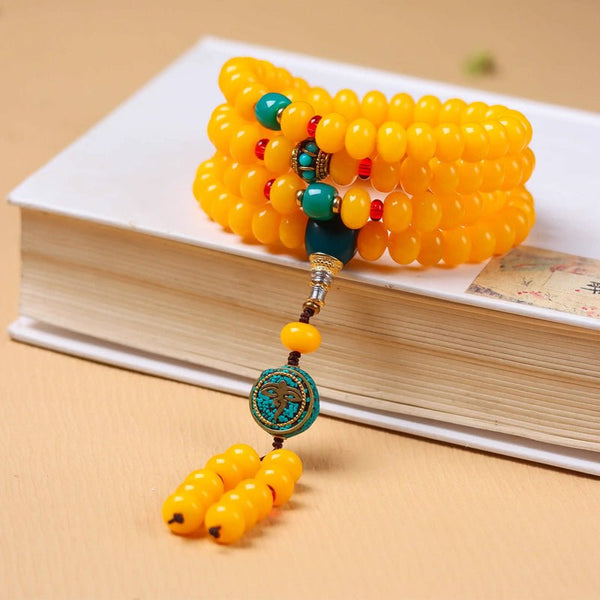
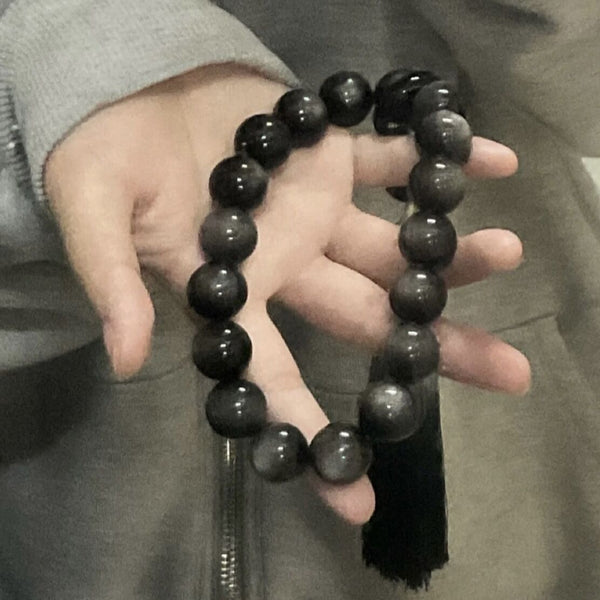
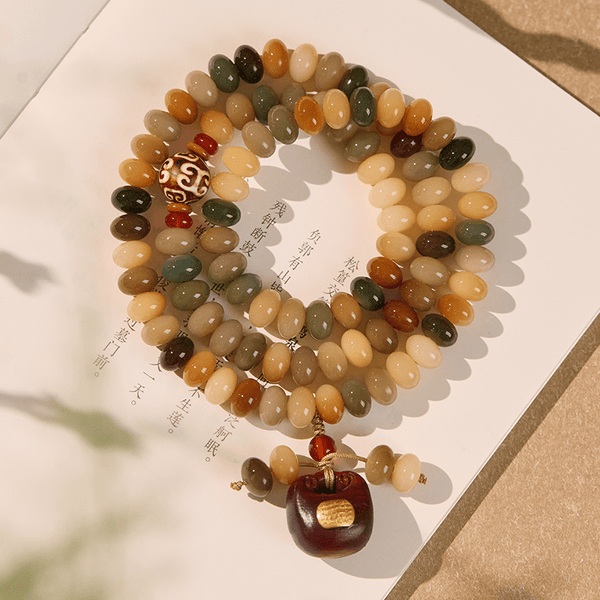
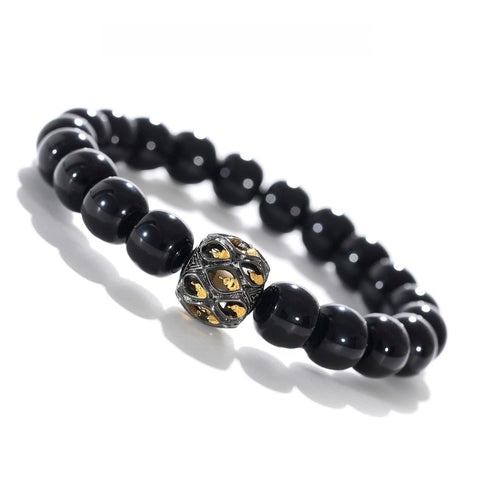
108 Star & Moon Bodhi Beads Bracelet - Buddhabelief

What Are Bodhi Seed Mala Beads?

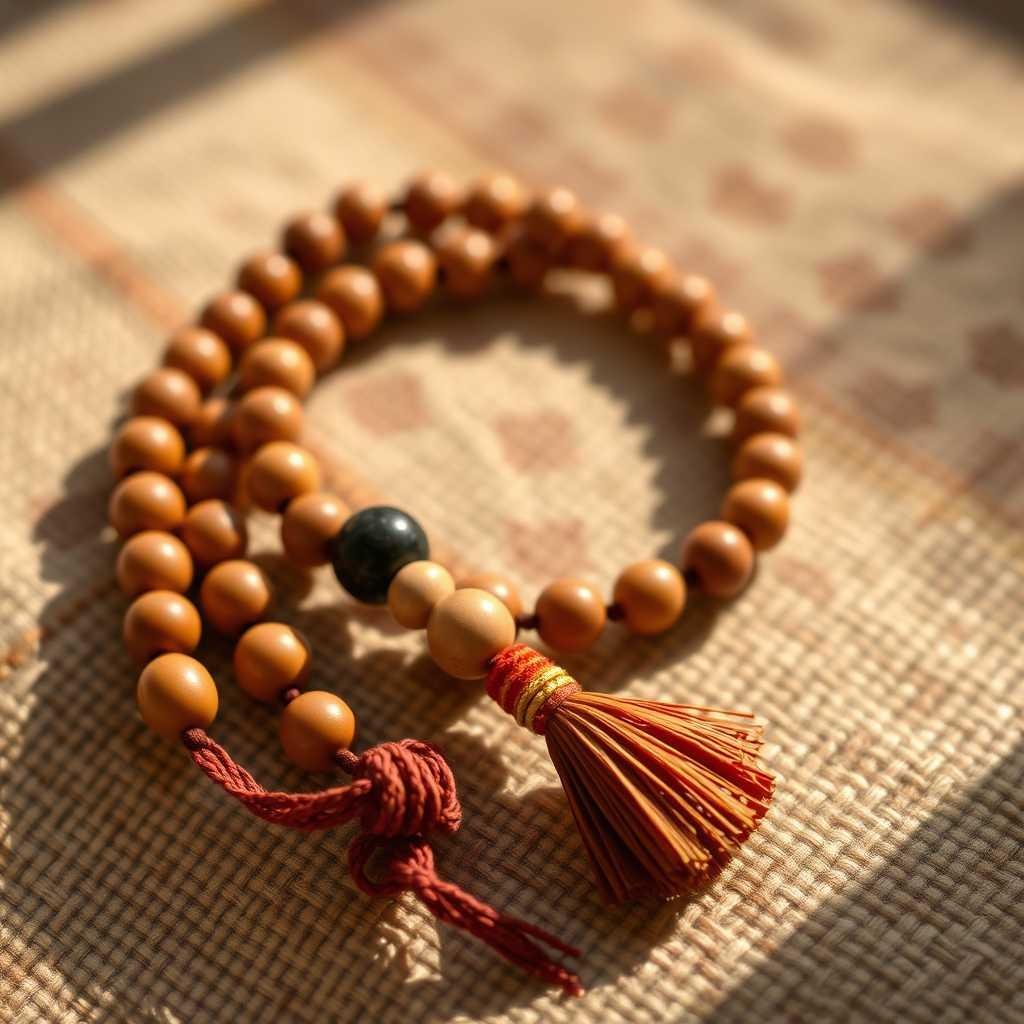
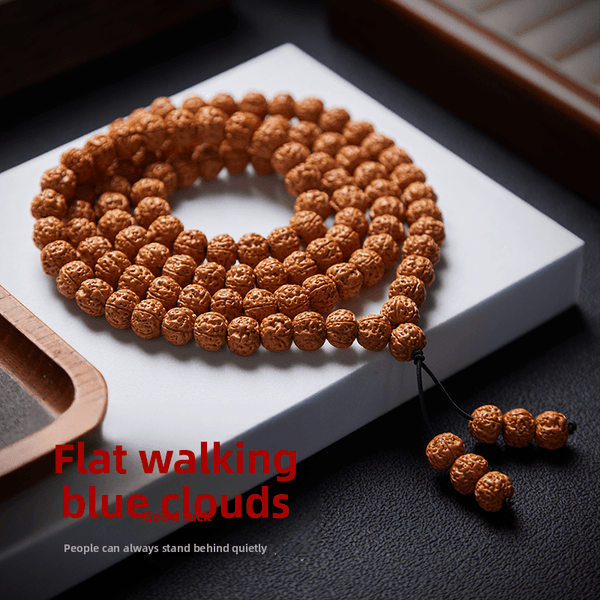
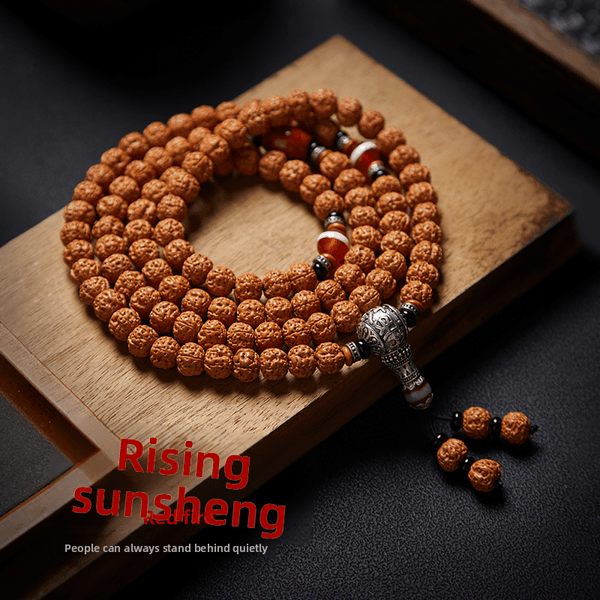
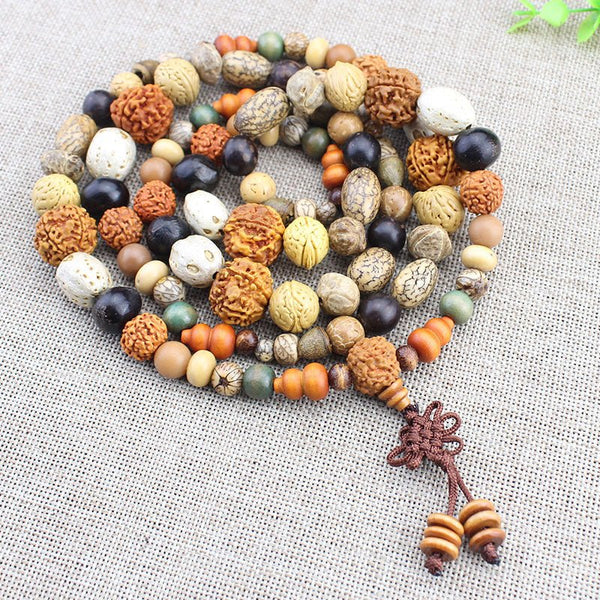
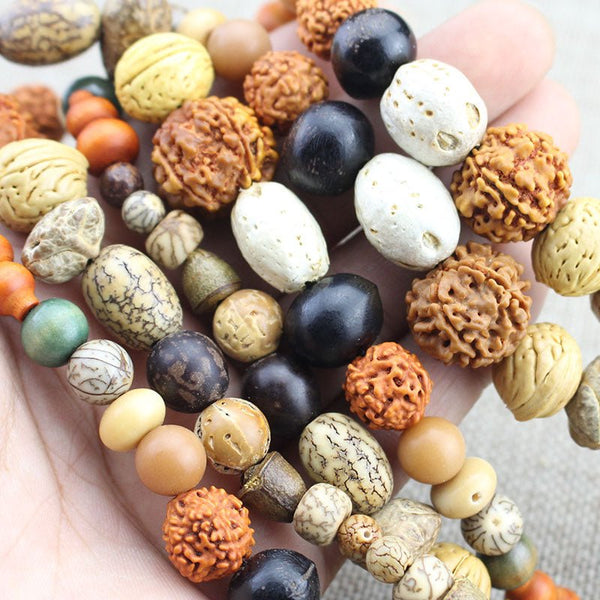
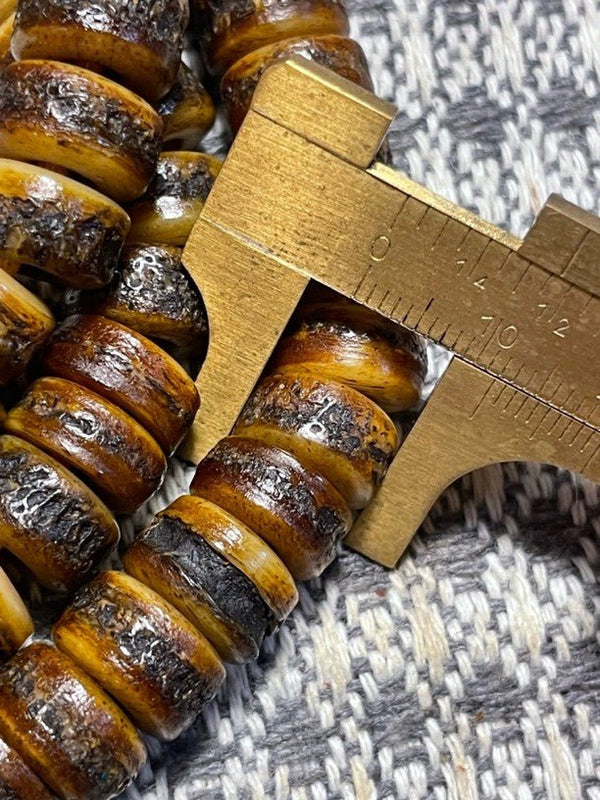
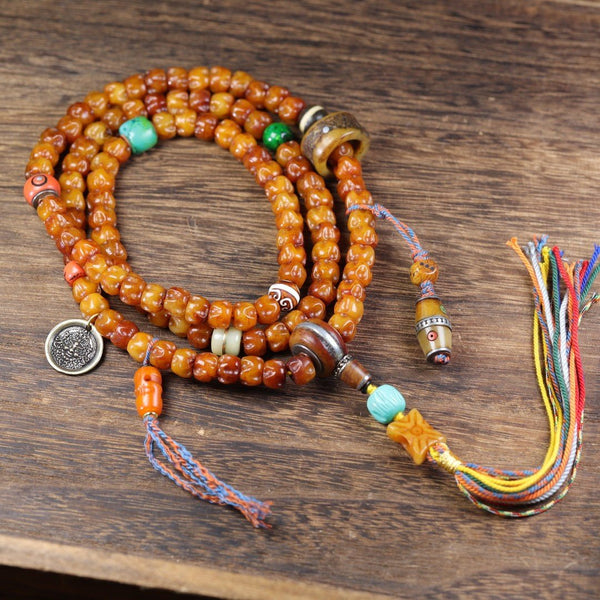
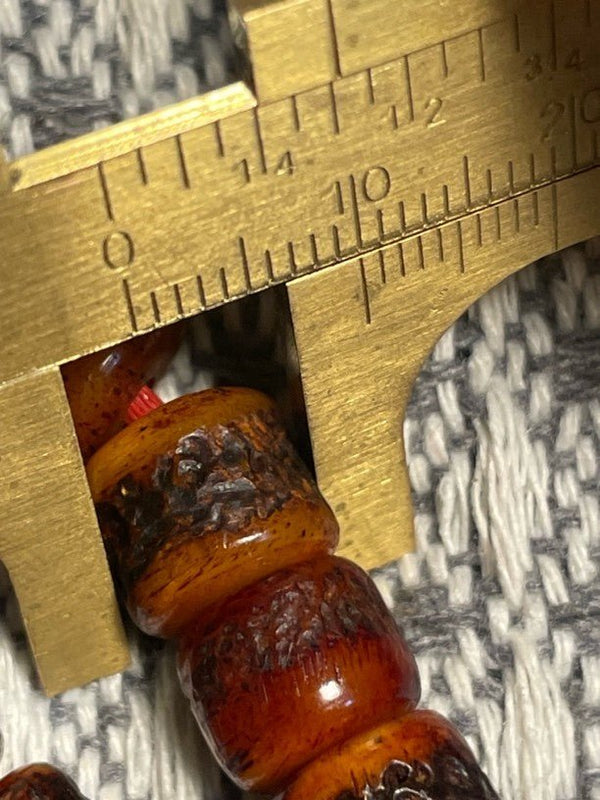
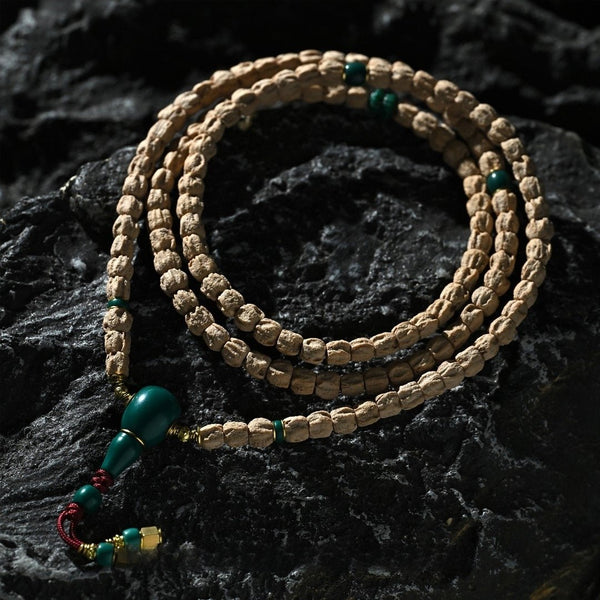
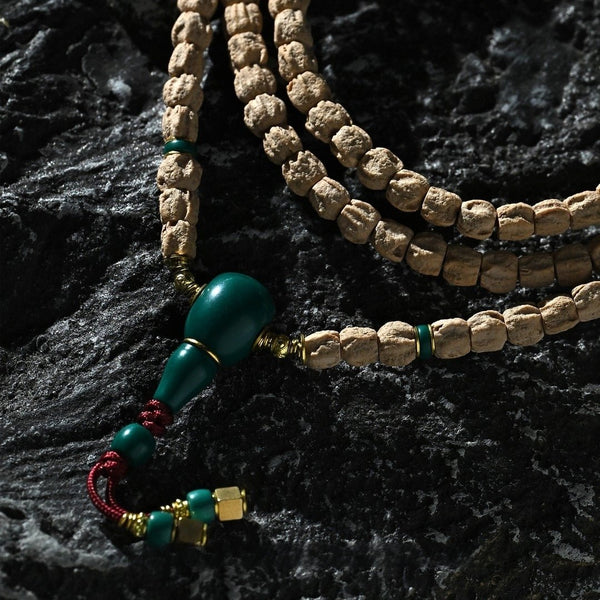
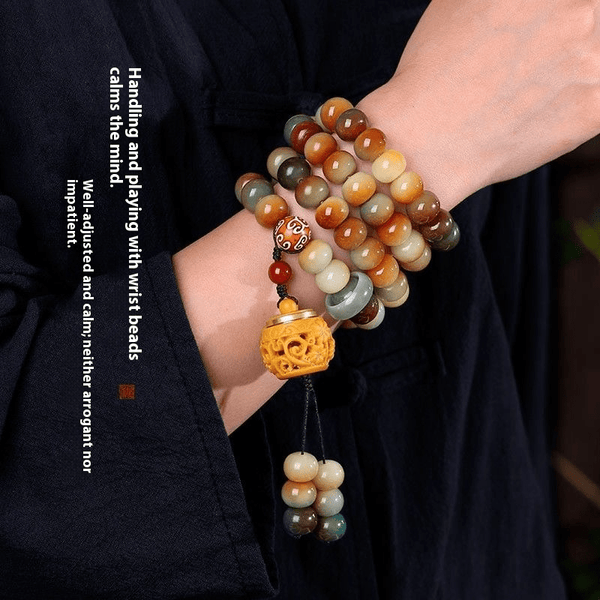
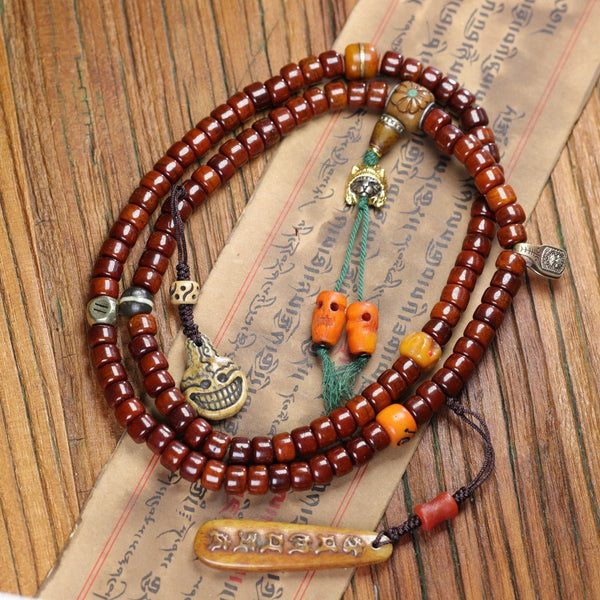
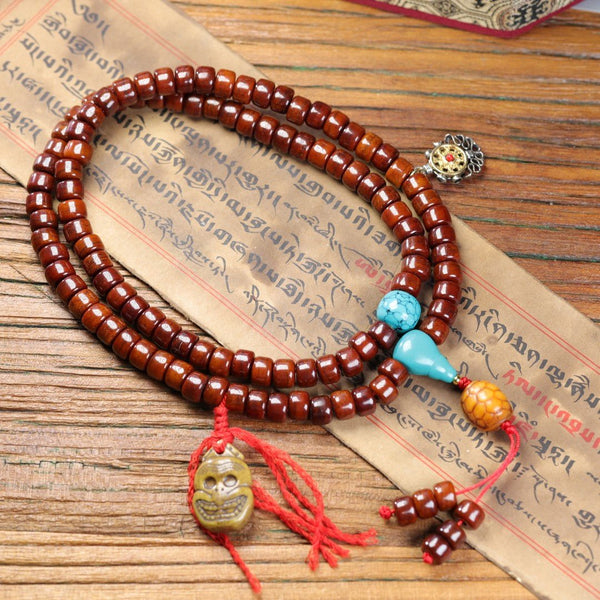
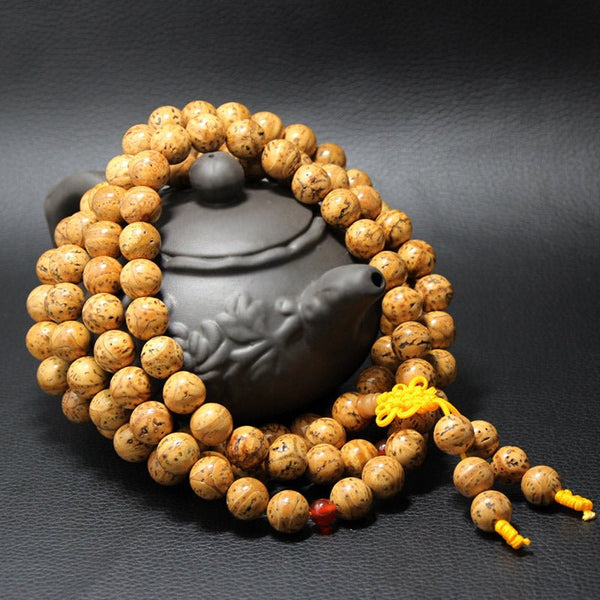
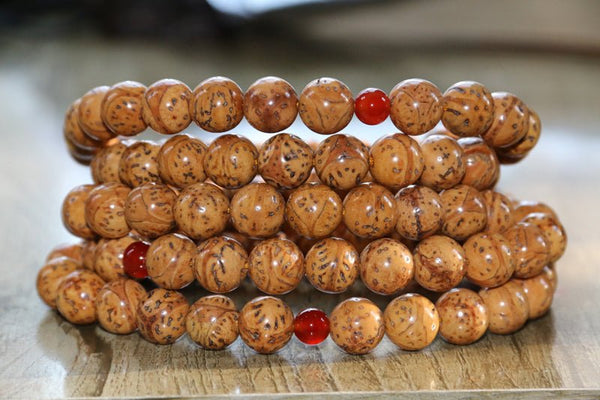
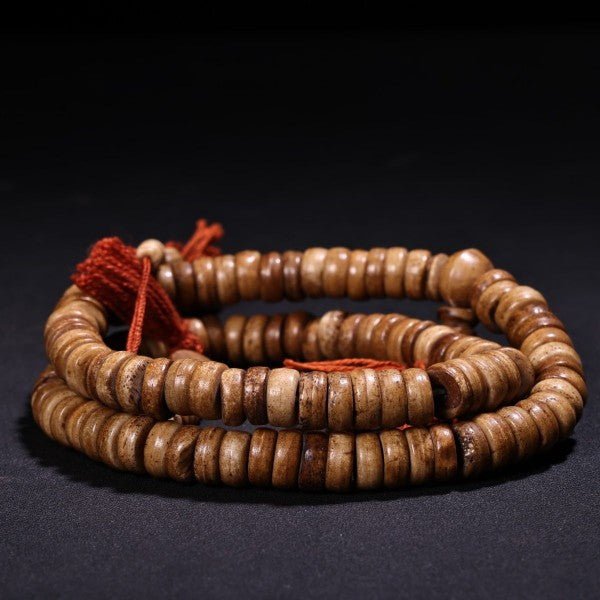
At their core, Buddhist bodhi seed mala beads are a string of 108 beads, plus one larger guru bead, used for counting mantras or breaths during meditation. The term "bodhi" is Sanskrit for "awakening" or "enlightenment," and the beads are traditionally made from the seeds of the Ficus religiosa tree, commonly known as the Bodhi tree. It was under this species of tree in Bodh Gaya, India, that Siddhartha Gautama is said to have attained enlightenment and became the Buddha. This direct botanical link is what grants these seeds their profound sacred status. The seeds themselves are often irregular, textured, and vary in color from light tan to deep brown, developing a unique patina over years of use. Each bead becomes a record of practice. When discussing Tibetan mala beads, it's important to distinguish the bodhi seed variety. While malas can be made from sandalwood, gemstones, or bone, bodhi seed malas are particularly revered for Japa (mantra repetition) practice. They are seen as conducive to calming the mind and cultivating wisdom, as their very substance is a reminder of the potential for awakening within all beings.

History and Cultural Significance

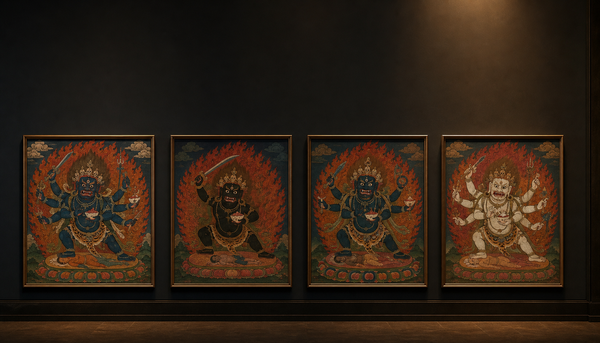
The use of prayer beads, or malas, predates Buddhism and can be traced to ancient India. However, their adoption and adaptation within Buddhism, particularly using bodhi seeds, is deeply intertwined with the religion's origins. Historical accounts suggest Buddhist monks were using malas by at least the 3rd century BCE. The choice of the bodhi seed was a natural one, serving as a constant physical reminder of the Buddha's enlightenment. In Tibetan Buddhism, which inherited and expanded upon Indian Buddhist traditions, the mala became an essential ritual object. It is considered one of the "Eight Auspicious Symbols" and is often seen in the hands of deities in thangka paintings. The 108 beads are rich in symbolism: they can represent the 108 human passions or defilements to overcome, the 108 volumes of the Kangyur (the Tibetan Buddhist canon), or the 108 prostrations often performed in purification practices. Scholars note the cultural exchange along the Silk Road helped spread the use of malas from India to Tibet, China, and beyond. For a deeper historical overview of prayer beads across cultures, resources like Britannica's entry on prayer beads provide useful context. In Tibet, the mala transcended its utilitarian function to become a sacred support for the mind, a tool for accumulating merit, and a personal companion on the spiritual path.

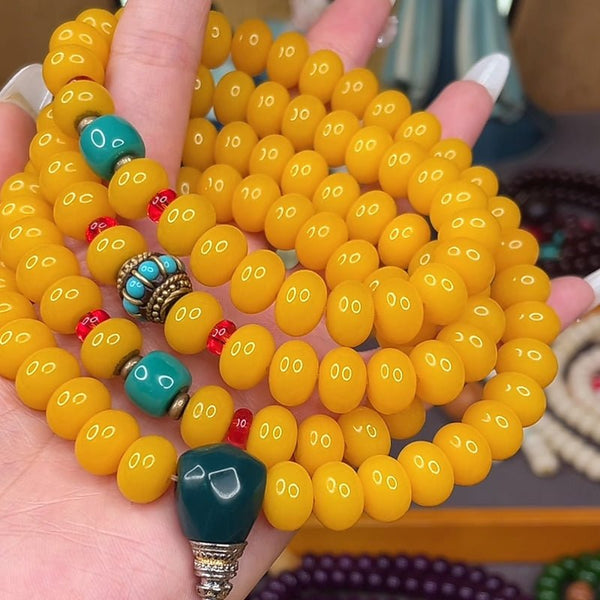
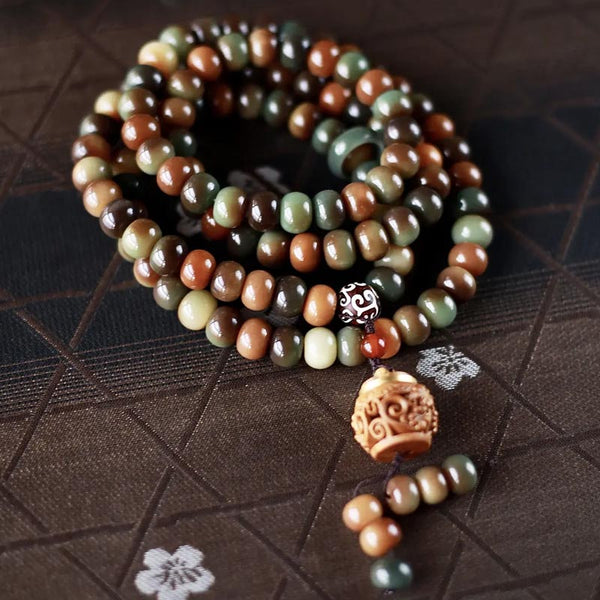
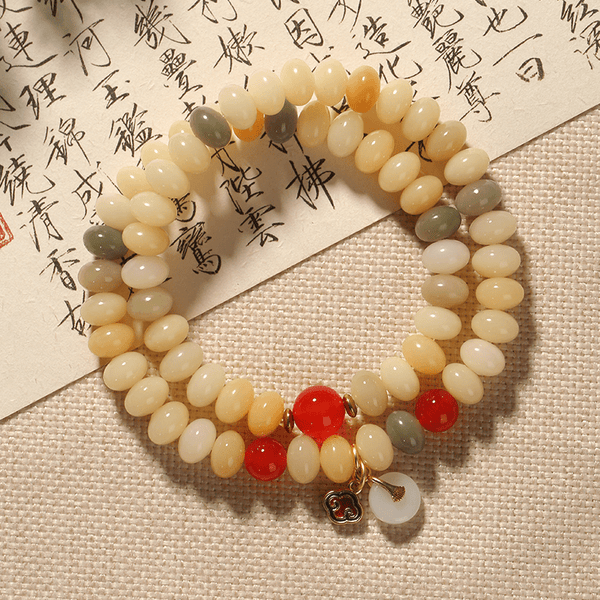
108 Star & Moon Bodhi Beads Bracelet - Buddhabelief

Spiritual Benefits and Uses

The bodhi seed mala beads benefits are both practical and profound. On a practical level, they provide a tactile focus that helps steady the mind during meditation, preventing it from drifting. The simple act of moving one bead per repetition creates a rhythm that can induce a meditative state. Spiritually, the benefits are deeply rooted in Tibetan Buddhist philosophy. Using a bodhi seed mala is believed to generate positive karma and accelerate spiritual progress. The seeds are said to carry the "blessing of the Bodhi tree," making them particularly powerful for practices aimed at developing compassion (like the Chenrezig mantra) and wisdom (like the Manjushri mantra). Each completed round of 108 mantras is considered an accumulation of merit. Also, the beads are thought to have a calming energy that can help pacify negative emotions and mental agitation. For practitioners, the mala becomes infused with the energy of their practice; a well-used mala is considered a powerful object. It's not just about counting; it's about transforming the mind through repeated intention. The connection to the historical Buddha through the seed material serves as an inspiration, a reminder that enlightenment is the ultimate goal. This makes understanding the bodhi seed mala beads meaning essential for anyone wishing to use them as more than jewelry.

How to Choose and Use

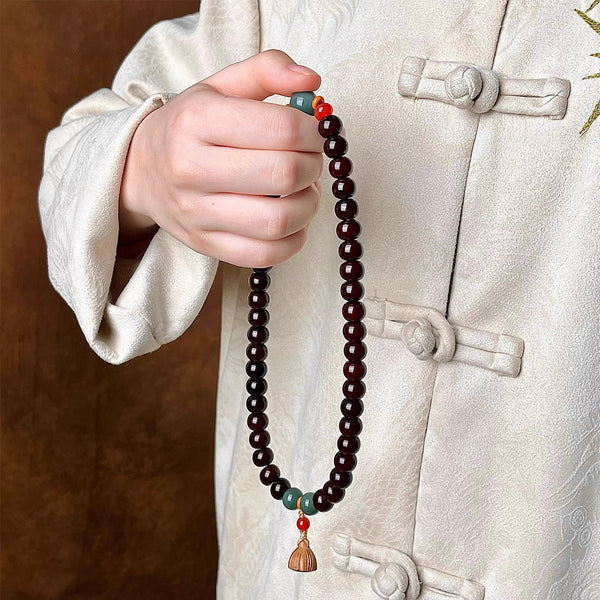
Choosing an authentic Tibetan bodhi seed mala requires discernment. First, seek beads that are genuinely handcrafted from Ficus religiosa seeds. At Buddhabelief, we work directly with artisans in Tibetan communities to source authentic, mature seeds, ensuring each mala is not only genuine but supports traditional craftsmanship. Look for natural variations in size and color—perfection is a sign of machine-made imitations. The stringing is crucial; traditionally, a strong, multi-ply cotton or silk cord is used, often knotted between each bead for durability and symbolic reasons (representing the interconnectedness of all phenomena). When you receive a new mala, it's considered beneficial to have it blessed by a qualified teacher to imbue it with positive energy. We offer a selection of High Lama Blessed malas, consecrated by respected Tibetan lamas to support your practice from the very first use. To use it, hold the mala in your right hand, draped over your middle finger. Use your thumb to move one bead towards you with each repetition of your mantra, starting next to the guru bead. Avoid crossing the guru bead; when you complete 108 repetitions, turn the mala around and begin again in the opposite direction. This respectful handling honors the tool's sacred purpose. For a Complete guide on techniques and etiquette, our article on Tibetan mala beads offers detailed instructions.

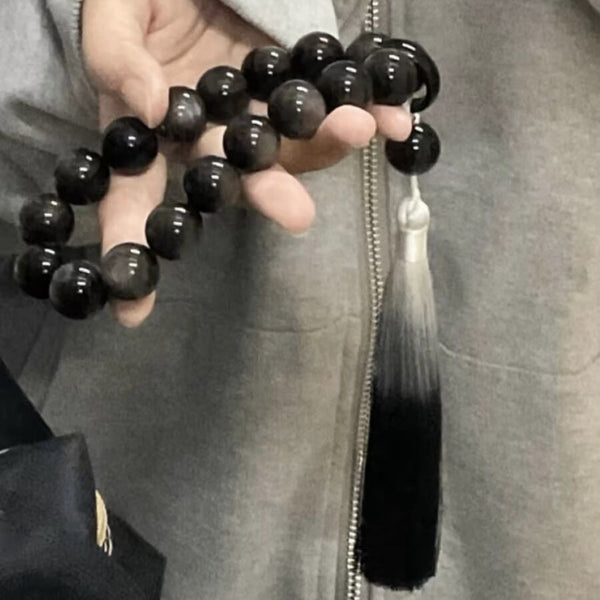
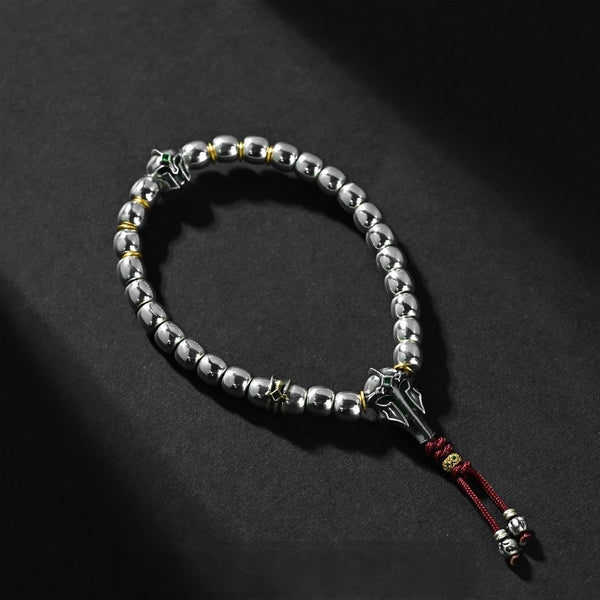
108 Star & Moon Bodhi Beads Bracelet - Buddhabelief

Care and Maintenance

Caring for your bodhi seed mala is an extension of respecting your practice. These are organic materials, so avoid prolonged exposure to water, extreme heat, or harsh chemicals. To clean, gently wipe with a soft, slightly damp cloth if needed. The oils from your skin will naturally condition the seeds over time, deepening their color and creating a beautiful personal luster—this is a sign of dedicated use. Store your mala in a clean, respectful place when not in use, such as in its dedicated pouch or on a small altar. It is considered improper to place it on the floor or in unclean areas. If the cord becomes worn or breaks, it's advisable to have it re-strung properly rather than discarding the beads, as they hold the energy of your practice. Periodically, you may wish to re-consecrate your mala by placing it among other sacred objects or, if possible, having it blessed again. This maintenance is not merely physical; it's a mindful practice that reinforces your intention and connection to the spiritual path. A well-cared-for mala can last a lifetime, becoming a deeply personal and powerful spiritual companion.

Frequently Asked Questions

What is the meaning of 108 beads in a bodhi seed mala?

In Tibetan Buddhism, the number 108 is highly symbolic. It can represent the 108 human defilements or passions to overcome, the 108 volumes of the Kangyur (sacred texts), or the 108 worldly desires. Completing a full round of mantra recitation is thus a symbolic purification and accumulation of wisdom.

How do I know if my bodhi seed mala is authentic?

Authentic bodhi seeds from the Ficus religiosa tree have a distinct, irregular shape with a natural textured surface and a small, circular marking (the "eye"). They are lightweight and not perfectly uniform. Beads that are perfectly round, heavy, or glossy are likely imitations made from other seeds or materials.

Can anyone use a bodhi seed mala, or do you have to be Buddhist?

Anyone drawn to meditation or mindfulness can use a mala. While it has roots in Buddhism, the practice of using beads to focus the mind is universal. Approach it with respect for its cultural origin and an open intention for peace and focus.

What are the main spiritual benefits of using these beads?

The primary benefits include enhanced focus during meditation, a tangible method for setting intention, the cultivation of discipline through regular practice, and a sense of spiritual connection. The bodhi seed itself is believed to carry the auspicious energy of awakening.

How should I store and care for my mala beads?

Store your mala in a clean, dry place, ideally in a silk or cotton pouch. Keep it away from moisture, extreme temperatures, and perfumes. The cord will naturally wear over years of use and can be re-strung. The seeds will darken and develop a patina with loving use.

Embarking on a practice with bodhi seed mala beads is to join a centuries-old lineage of seekers. It is an invitation to slow down, to connect with intention, and to use a simple, natural object as a bridge to deeper awareness. Whether you are beginning your meditation journey or seeking to deepen an existing practice, these beads offer a grounded, authentic tool. At Buddhabelief, we honor this tradition by offering only handcrafted, authentically sourced malas, with the option for High Lama Blessing to support your spiritual path from the very start. We invite you to explore our curated collection of genuine Tibetan bodhi seed mala beads and find the companion that resonates with your intention.

Authored by the Buddhabelief Cultural Research Team
Our team is dedicated to the accurate preservation and presentation of Tibetan Buddhist and Himalayan cultural artifacts. We collaborate directly with monastic communities and artisans in Tibet and Nepal to ensure authenticity, provide fair trade support, and share genuine spiritual knowledge with integrity.

Previous Next

Leave a comment

0 comments

Please note, comments need to be approved before they are published.