The Meaning of the Mala Necklace and How to Use It - Buddhabelief

The Meaning of the Mala Necklace and How to Use It

The Meaning of the Mala Necklace and How to Use It

The Meaning of the Mala Necklace and How to Use It

In the quiet moments of reflection and the deep currents of meditation, certain tools can anchor us to the present, connecting our physical actions to our spiritual intentions. The mala necklace is one of the most ancient and profound of these tools. It is far more than a beautiful piece of jewelry; it is a spiritual companion, a guide for focus, and a tangible reminder of the path you walk. At BuddhaBelief, each mala is crafted with deep respect for these origins, bringing together sacred symbolism, mindful artistry, and natural materials to support your journey toward clarity and inner peace. A mala is a circle of intention, a thread connecting you to a lineage of wisdom, and a personal guide for cultivating awareness, reflection, and profound calm.

Navigate Your Journey
Browse Our Collection · All Articles

The Meaning of the Mala Necklace and How to Use It — authentic Tibetan Buddhist jewelry | Buddhabelief Each bead is hand-knotted by Tibetan artisans at monasteries in Nepal and Tibet, following centuries-old traditions passed down through generations of craftsmen.

Spiritual Mala Necklace 108 is the Meaning of the Mala Necklace and How to Use It The Meaning of the Mala Necklace and How to Use It In the quiet moments of reflection and the deep currents of meditation, certain tools can anchor us to the present, connecting our physical actions to our spiritual intentions.

The Sacred Origins of the Mala: A Journey Through Time

To understand the mala, you must first appreciate its rich and storied past. The practice of using beads for prayer and meditation is a near-universal human tradition, but the mala as we know it has its roots in the spiritual heartland of ancient India, dating back thousands of years. The word "mala" (mālā) is Sanskrit and translates to "garland," a term that beautifully evokes its purpose: to adorn the spiritual self with a garland of prayers, intentions, and sacred sounds.

Originally used in Hinduism for a practice called *japa* meditation, the mala was a practical tool for counting mantras without losing focus. A mantra is a sacred word, sound, or phrase repeated to aid concentration. By moving from one bead to the next with each repetition, the practitioner could free the mind from the task of counting and immerse itself fully in the vibration and meaning of the mantra. This practice was seen as a powerful way to connect with the divine, purify the mind, and build spiritual energy.

As Buddhism emerged from the spiritual landscape of India, it adopted and adapted this powerful tool. For Buddhist practitioners, the mala became an indispensable aid for meditation, used to count repetitions of mantras like the famous "Om Mani Padme Hum," the mantra of compassion. The mala traveled with Buddhism along the Silk Road and across the Himalayas, finding a home in Tibet, China, Japan, and beyond. In each culture, it took on unique characteristics, but its core purpose remained the same: to be a steadfast guide on the path to enlightenment, a physical anchor for a journey within.

When you hold a mala in your hands today, you are connecting with this unbroken lineage of seekers, monks, and yogis who have used these same beads to quiet their minds and open their hearts for millennia. It is a tradition steeped in devotion, discipline, and the profound understanding that the simplest tools can lead to the greatest transformations.

The Anatomy of a Mala: Every Element Has a Purpose

A traditional mala is not just a random string of beads. It is a microcosm of the sacred, with each component carrying deep symbolic weight. Understanding its anatomy allows you to engage with your mala on a much deeper level, transforming it from a simple counter into a powerful spiritual instrument.

The 108 Beads
The main body of the mala consists of 108 counting beads. This is the circle you will travel during your meditation, with each bead marking one repetition of your chosen mantra or breath. The beads themselves are the heart of the practice, the physical touchpoints that ground your wandering mind and keep you rooted in the present moment. They are crafted from a variety of materials—wood, seeds, or gemstones—each chosen for its unique energetic properties and intention.

The Guru Bead
At the base of the mala, where the circle of 108 beads joins, you will find a larger, distinct bead. This is the Guru Bead, sometimes called the Meru bead, named after the sacred Mount Meru in Hindu cosmology, which is considered the center of the spiritual universe. The Guru Bead has several important functions. It marks the starting and ending point of your meditation cycle. When you complete a full round of 108 repetitions and your fingers reach the Guru Bead, it is a moment to pause, offer gratitude, and reflect. It symbolizes the teacher, the divine wisdom, or the inner guru within you. In practice, you do not cross over the Guru Bead. Instead, you turn the mala around and begin your next round in the opposite direction, a gesture of respect for the student-teacher relationship and the wisdom it represents.

The Tassel
Extending from the Guru Bead is the tassel. While its design can vary, the tassel is rich in symbolism. Its many threads represent our connection to the divine and to one another, a beautiful illustration of oneness. It is also thought to symbolize the roots of the lotus flower, which grows from the mud into a beautiful blossom, representing the journey from the darkness of ignorance to the light of enlightenment. The tassel also helps to gather and direct the spiritual energy, or *prana*, generated during your meditation, allowing it to flow outward into the world.

The String and Knots
The cord that runs through each bead, holding the entire mala together, represents the universal self or the unseen dharma that connects all beings. In many high-quality malas, a knot is hand-tied between each bead. This has a practical purpose: it makes the mala stronger and provides perfect spacing for your fingers, making it easier to move from one bead to the next. Symbolically, these knots represent the challenges or divine links we encounter on our spiritual path. They ensure that even if one part of the journey is difficult, the entire structure remains strong and intact.

Why 108? Unlocking the Sacred Number

The number 108 is profoundly significant in Buddhism, Hinduism, and many other spiritual and scientific traditions. Its recurrence across various disciplines points to a deeper, universal harmony. The use of 108 beads is not arbitrary; it is a deliberate choice steeped in layers of meaning that enrich your practice every time you complete a full cycle.

Here are some of the most recognized interpretations of the number 108:

  • Desires and Virtues: In Buddhist thought, it is said that there are 108 earthly desires or defilements (*kleshas*) that we must overcome to reach enlightenment. Conversely, there are 108 virtues to cultivate. Each repetition on your mala can be seen as a step in transforming a defilement into a virtue, purifying the mind one mantra at a time.
  • The Heart Chakra: According to yogic philosophy, there are 108 primary energy lines, or *nadis*, that converge to form the heart chakra (*Anahata*). The heart is the center of our spiritual and emotional being. Chanting a mantra 108 times is believed to awaken and align this vital energy center, opening you to compassion, love, and spiritual connection.
  • Cosmic Connection: The number 108 appears in fascinating astronomical relationships. The average distance between the Earth and the Sun is approximately 108 times the Sun's diameter. The average distance between the Earth and the Moon is about 108 times the Moon's diameter. This cosmic resonance connects your personal meditation practice to the grand, rhythmic cycles of the universe.
  • The Sanskrit Alphabet: The ancient and sacred language of Sanskrit has 54 letters. Each letter has both a masculine (Shiva) and feminine (Shakti) aspect. When you multiply 54 by these two energies, you arrive at 108. This infuses the number with the creative, foundational power of language and divine energy.
  • Spiritual Journeys: In many traditions, 108 represents the entirety of a journey. It signifies completion, the wholeness of existence. Completing a full cycle of 108 repetitions on your mala represents a full spiritual journey—a process of cleansing, focusing, and arriving at a state of wholeness and peace.

When you use your mala, you are not just counting; you are participating in a sacred numerical tradition that connects your inner world to the cosmos, your mind to your heart, and your human struggles to the potential for enlightenment.

The Meaning of the Mala Necklace and How to Use It — detail view | Buddhabelief

Choosing Your Mala: A Guide to Materials and Intentions

Selecting a mala is a deeply personal and intuitive process. It is an invitation to connect with the energies of the natural world and to choose a companion that aligns with your personal intentions and spiritual goals. The material of your mala is its voice; it speaks in a language of energy and symbolism. As you explore the different options, pay attention to which materials resonate with you, which colors and textures you are drawn to. This attraction is often your intuition guiding you to the energy you most need.

Wood and Seed Malas: Grounding and Ancient Wisdom

  • Sandalwood: This aromatic wood is treasured for its calming and soothing properties. Its gentle fragrance is known to quiet the mind, reduce anxiety, and enhance concentration, making it an excellent choice for meditation. A sandalwood mala helps to ground your energy and connect you to a sense of inner peace.
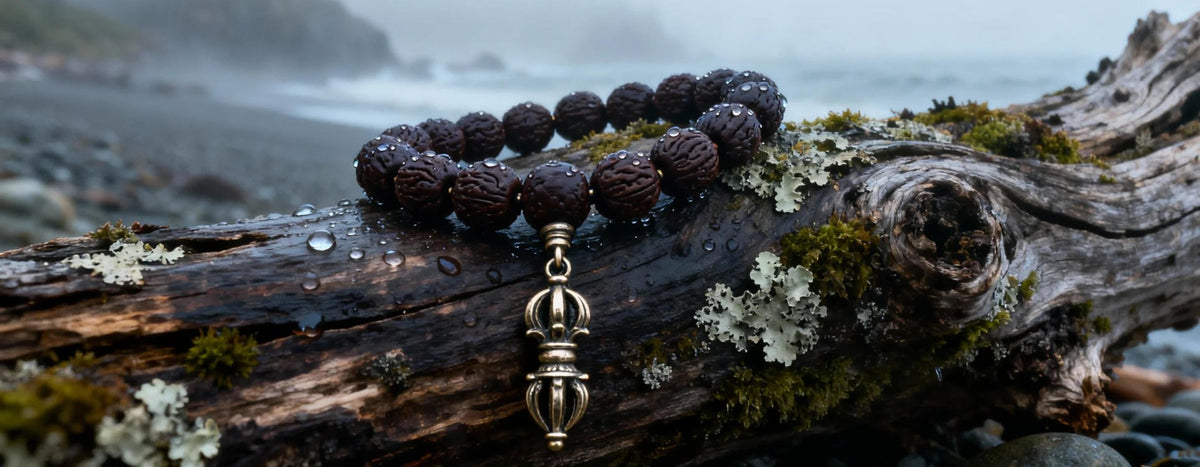
  • Rudraksha Seeds: Known as the "tears of Shiva," Rudraksha seeds are highly revered in Hindu and yogic traditions. They are believed to offer protection, shield the wearer from negative energy, and promote clarity of mind. A Rudraksha mala is a powerful tool for those seeking focus, spiritual protection, and a deeper connection to their inner self.
  • Bodhi Seeds: The Bodhi tree is the tree under which the Buddha attained enlightenment. Malas made from Bodhi seeds carry the energy of this profound spiritual awakening. They are a powerful symbol of your own potential for enlightenment, spiritual growth, and wisdom.

Gemstone Malas: Harnessing the Earth's Energy

Gemstones are conduits of the Earth's energy, each with a unique vibrational frequency and set of healing properties. When you explore a collection of authentic mala beads, you'll find that each material tells a story and offers a specific kind of support.

  • Amethyst (Calm & Intuition): For those seeking to calm an overactive mind and deepen their spiritual connection, amethyst is a perfect choice. It is a stone of tranquility, known to ease stress and enhance intuition.
  • Rose Quartz (Love & Compassion): The quintessential stone of the heart, rose quartz radiates gentle, loving energy. Using a rose quartz mala can help you cultivate self-love, heal emotional wounds, and open your heart to giving and receiving compassion.
  • Lapis Lazuli (Truth & Wisdom): This deep blue stone has been prized since antiquity for its connection to truth, wisdom, and communication. A lapis lazuli mala can help you speak your truth with clarity and connect with your inner wisdom.
  • Tiger's Eye (Courage & Grounding): If you are looking to build confidence and overcome fear, Tiger's Eye is a powerful ally. It is a grounding stone that instills courage, strength, and a clear sense of purpose.
  • Black Onyx (Protection & Strength): For grounding and protection against negativity, Black Onyx is unparalleled. It helps to absorb and transform negative energy, providing emotional and physical strength during times of stress.

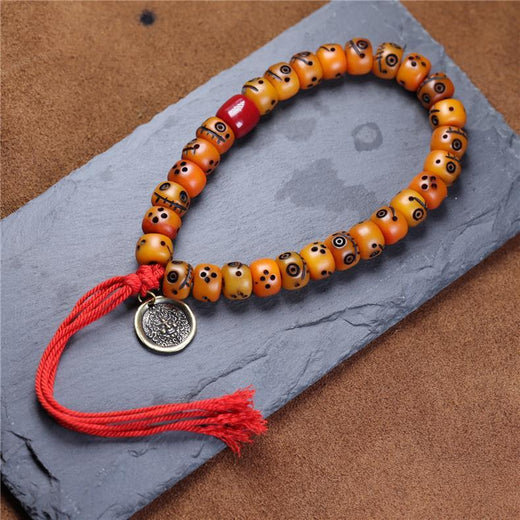
For those who prefer a more subtle or portable reminder of their intention, a wrist mala or one of our mindful bracelets can serve as a beautiful and practical alternative, carrying the same focused energy in a more compact form.

How to Use Your Mala for Japa Meditation

Using a mala for meditation, or *japa*, is a simple yet profound practice that can help train your mind to concentrate and return to the present moment. If you are new to this technique, this simple guide can help you begin your journey with confidence and grace.

1. Find Your Sacred Space
Begin by finding a quiet and comfortable place where you will not be disturbed. You can sit on a cushion on the floor with your spine straight, or in a chair with your feet flat on the ground. The key is to be comfortable yet alert. You may wish to light a candle or incense to signal to your mind that this is a sacred time for practice.

2. Set Your Intention
Before you begin, take a moment to set an intention for your practice. What quality do you wish to cultivate? It could be peace, clarity, compassion, strength, or healing. Hold your mala in both hands at your heart and silently state your intention. This dedicates the energy of your practice to a specific purpose.

3. Choose Your Mantra
A mantra is a sound, word, or phrase that you repeat. Its vibration helps to focus the mind and elevate your consciousness. You can choose a traditional Sanskrit mantra or a personal affirmation.

  • Om Mani Padme Hum: The mantra of compassion.
  • So Hum: A mantra meaning "I am that," connecting you to universal consciousness.
  • Om Shanti Shanti Shanti: A mantra for peace.
  • Personal Affirmation: You can use a simple phrase in your own language, such as "I am calm," "I am loved," or "I breathe in peace, I breathe out stress."

4. Hold Your Mala Correctly
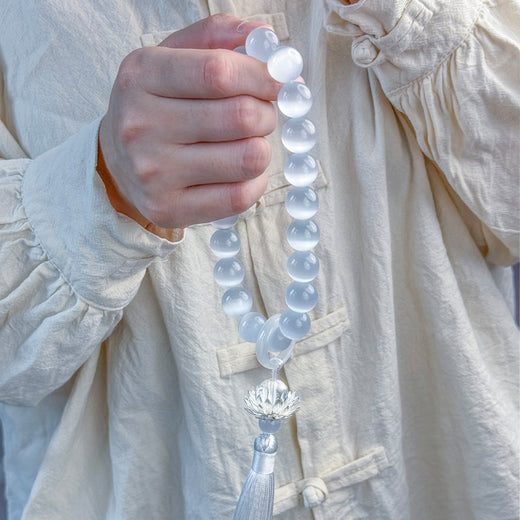
Traditionally, the mala is held in the right hand. Let it drape over your middle finger. Your thumb will be used to pull each bead towards you as you recite your mantra. The index finger, which is associated with the ego, is typically not used to touch the beads. It can rest gently alongside your middle finger.

5. Begin Your Recitation
Start at the first bead next to the Guru Bead. Hold it gently between your thumb and middle finger. As you recite your full mantra (either aloud or silently), hold the bead. When you complete the mantra, use your thumb to pull the next bead toward you and begin again. Continue this process, moving from one bead to the next, allowing the rhythm of the mantra and the feeling of the beads to anchor your attention.

6. Reaching the Guru Bead
Continue around the entire strand until you feel your thumb touch the Guru Bead. This marks the completion of 108 repetitions. Do not cross over the Guru Bead. Instead, take this as a moment to pause. Reflect on your practice and offer a moment of gratitude to your teachers, to yourself, and to the wisdom you seek. If you wish to continue for another round, simply turn the mala around in your hand and go back in the direction you came from.

7. Closing Your Practice
When you have finished your meditation, bring your hands together at your heart with the mala held between them. Sit in silence for a few moments, observing the effects of your practice. Notice the stillness, the quiet, the sense of peace. Carry this feeling with you as you transition back into your day.

Beyond Meditation: Integrating Your Mala into Daily Life

While the mala is a powerful tool for formal meditation, its benefits extend far beyond your time on the cushion. Wearing a mala throughout the day serves as a constant, gentle reminder to stay grounded, centered, and connected to your deepest intentions. It becomes a wearable piece of your spiritual practice, a quiet companion in a busy world.

A Tangible Anchor to the Present
Throughout your day, you can simply touch your mala to bring your awareness back to the present moment. When you feel stressed in a meeting, anxious in traffic, or simply lost in thought, the feeling of the beads against your skin can be an immediate anchor. It is a physical cue to take a deep breath, reconnect with your intention, and return to a state of calm. This simple act can transform moments of reactivity into opportunities for mindfulness.

Energetic Support and Alignment
If you have chosen a gemstone mala, wearing it allows you to benefit from the subtle energetic properties of the stones all day long. A rose quartz mala can infuse your aura with loving energy, while a black onyx mala can provide a shield of energetic protection. The mala works with your own energy field, helping to support the intention you set for it. It becomes a personal talisman, attuned to your needs and goals.

A Symbol of Your Commitment
Wearing a mala is also a beautiful, external expression of your commitment to your inner path. It is a quiet statement about what you value: mindfulness, peace, and spiritual growth. It can spark conversations, connect you with like-minded individuals, and serve as a personal testament to your journey. Whether you choose a full 108-bead necklace or a simple, elegant bracelet, your mala becomes a meaningful part of your identity. You can explore our full collection of mindful jewelry to find the piece that resonates most deeply with your personal path and aesthetic.

Caring for Your Sacred Tool

Your mala is more than an object; it is a sacred tool that absorbs energy from your practice and your environment. Treating it with reverence and care will preserve its beauty, integrity, and spiritual potency. Proper care involves both physical cleaning and energetic cleansing.

Energetic Cleansing
Because your mala absorbs energy, it is important to cleanse it regularly, especially when you first receive it or after a particularly intense or emotional period. This clears away any stagnant or negative energy and recharges the materials.

  • Moonlight: Place your mala in a window or outdoors under the light of a full moon overnight. The gentle energy of the moon is a powerful and safe way to cleanse and recharge all types of materials.
  • Sunlight: Brief exposure to sunlight can also be cleansing, but be cautious. Some gemstones, like amethyst, can fade with prolonged sun exposure. A few hours in the morning or late afternoon sun is usually sufficient.
  • Smudging: Pass your mala through the smoke of cleansing herbs like sage, palo santo, or cedar. The smoke will purify the energy of the beads.
  • Sound Healing: The vibration of a singing bowl, bell, or tingsha can also clear the energy of your mala. Simply place the mala near the instrument as you play it.

Physical Care and Storage
To keep your mala physically beautiful and strong, follow these simple guidelines:

  • Avoid exposing your mala to water, lotions, or perfumes, as these can damage the beads and weaken the string over time. It is best to remove it before showering or swimming.
  • When you are not wearing or using your mala, store it in a special place of honor, such as on an altar, in a small dish, or in a soft pouch. Keeping it off the floor is a sign of respect.
  • To clean the beads, you can gently wipe them with a soft, dry cloth.

What to Do If Your Mala Breaks
A mala breaking is not a sign of bad luck. In Buddhist tradition, it is often seen as a positive sign. It can symbolize the breaking of a cycle of suffering, the completion of a karmic pattern, or that you have fulfilled the intention you set for your mala. It represents a breakthrough. When this happens, you can take it as an opportunity for reflection. You can gather the beads and have the mala restrung, perhaps with a new Guru Bead to symbolize a new beginning, or you can return the beads to the earth as an offering.


Frequently Asked Questions

1. Can anyone use a mala, or is it only for Buddhists?
Anyone can use a mala. While it has deep roots in Buddhist and Hindu traditions, its purpose as a tool for mindfulness and meditation is universal. The most important element is your intention. If you approach the practice with respect and a sincere desire to cultivate peace and focus, the mala is a powerful tool for you, regardless of your spiritual beliefs.

2. What should I do if my mala breaks?
A broken mala is traditionally viewed as a positive event, symbolizing the end of a cycle or the fulfillment of an intention. It is not a bad omen. You have a few options: you can gather the beads and have them professionally restrung, often with a new guru bead and tassel to mark a new beginning. Alternatively, you can offer the beads back to the Earth by burying them in a special place, like at the base of a tree, as a gesture of gratitude.

3. Should I let other people touch my mala?
Your mala is a very personal and sacred item that absorbs your energy and intentions. For this reason, practitioners prefer not to let others touch their mala. It is ultimately a personal choice. If you do let someone handle it, you may want to energetically cleanse it afterward to restore its personal connection to you.

4. How do I choose the right mala for me?
Choosing a mala is a very intuitive process. Trust your gut feeling. Notice which materials, colors, and stones you are drawn to—this is often a sign of what your spirit needs. You can also choose based on a specific intention. If you want to cultivate more love, choose Rose Quartz. If you need grounding and protection, you might choose Black Onyx. Read about the properties of different materials and see which ones resonate with the goals of your spiritual practice.

5. Can I wear my mala while sleeping or in the shower?
It is generally not recommended to wear your mala while sleeping or showering. Sleeping with it on can cause it to get tangled and break. Water, soaps, and lotions can damage the natural materials of the beads and weaken the cord over time. It is best to remove it and place it in a safe, sacred space before you sleep or bathe.

Previous Next

Leave a comment

0 comments

Please note, comments need to be approved before they are published.