November 05, 2026
Four Sacred Taoist Mountains
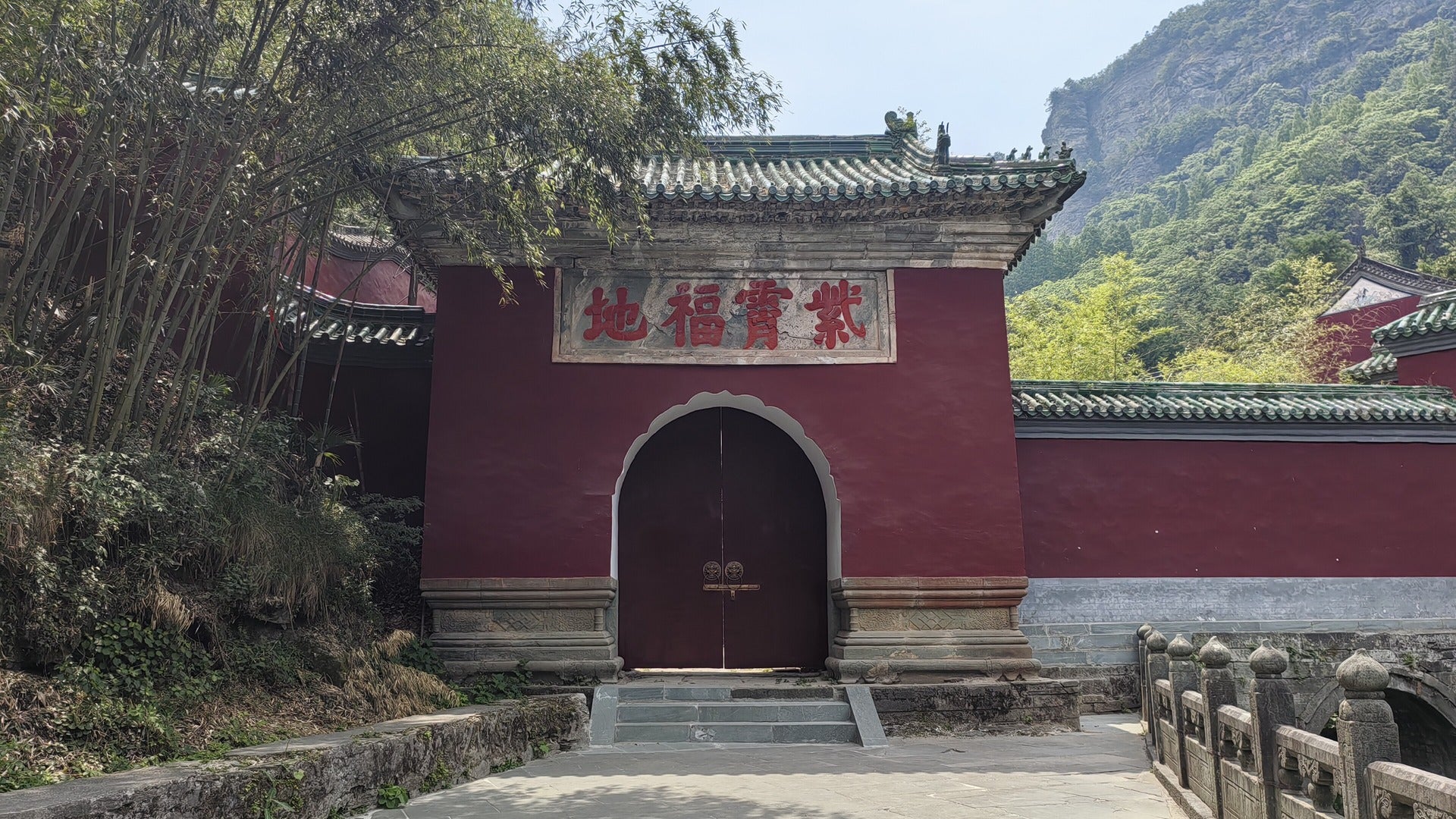
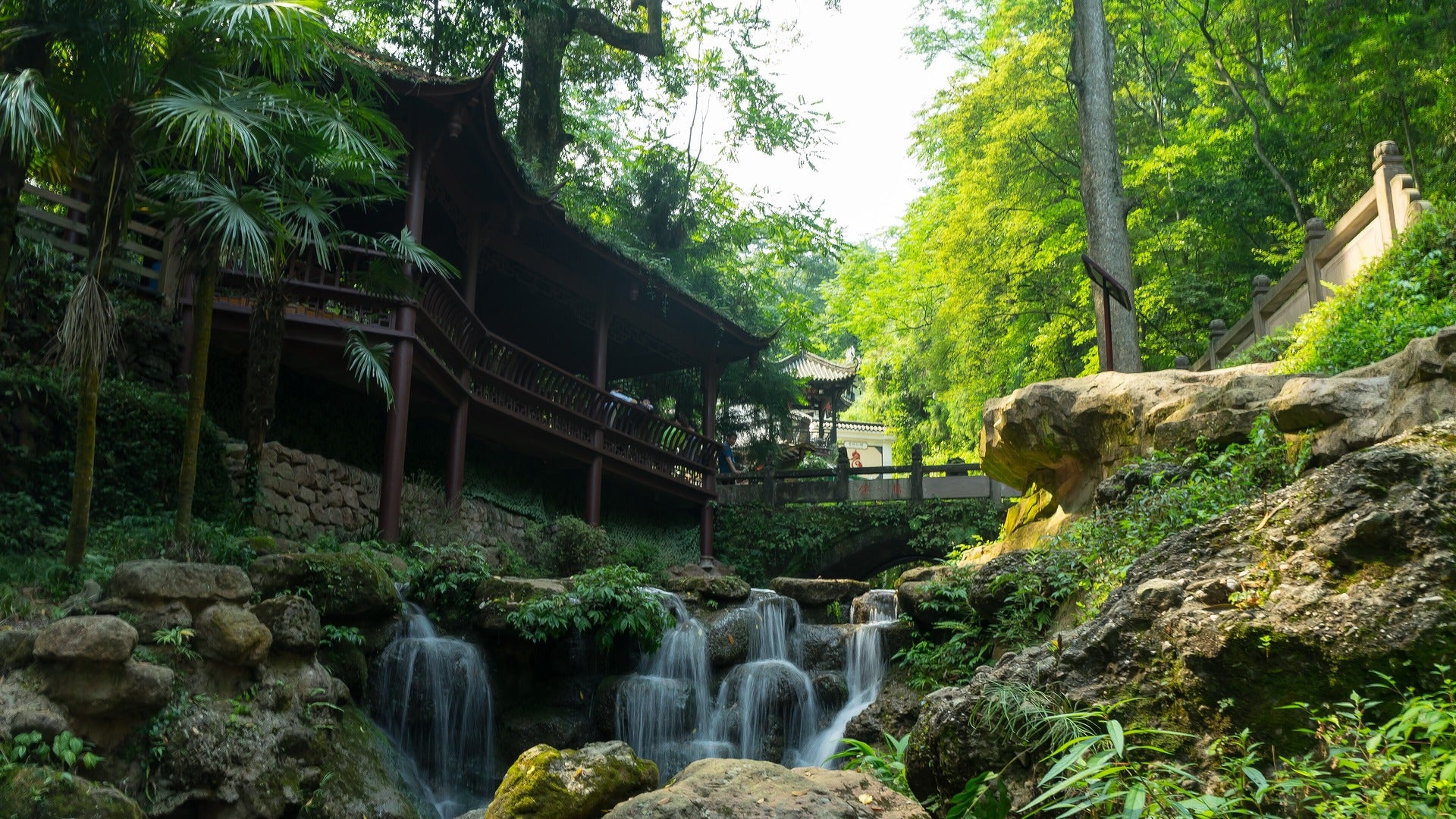
The four mountains commonly grouped together in Chinese Taoist tradition are Wudang in Hubei, Longhu in Jiangxi, Qingcheng in Sichuan and Qiyun in Anhui. They are not four interchangeable temple backdrops. At Wudang, the buildings tell the story; at Qiyun, some of it is written directly into the rock.
Wudang: a route through the architecture
At Wudang, temples and palaces occupy both slopes and valleys. Much of the surviving complex took shape under the Ming dynasty. Look at how a roof follows a ridge or a flight of stairs turns toward a hall. The mountain is part of the composition, not simply the ground underneath it.
Longhu: the tradition of the Celestial Masters
Longhu, or Dragon and Tiger Mountain, is in Jiangxi. Among the landmarks associated with its Taoist history are the Celestial Masters' Residence and Shangqing Palace. The residence offers a way into a different story from Wudang's: one about a religious lineage and the places through which it maintained its presence.
Qingcheng: temples above the Chengdu Plain
Mount Qingcheng stands near Dujiangyan in Sichuan. Its temples are associated with the early history of organized Taoism and the teaching of Zhang Ling. Qingcheng shares a World Heritage listing with the Dujiangyan irrigation system. The temples and the waterworks are different parts of that listing; neither is another name for the other.
Qiyun: inscriptions cut into the mountain
In Xiuning County, Anhui, Qiyun is also known as Baiyue. Its cliffs and stone inscriptions preserve accounts of temples, landscapes and the people who visited them. Unlike a panel hung in a gallery, an inscription here belongs to a particular face of rock. Where the words were carved is part of what they mean.
The Chinese name of this mountain is 齐云山, Mount Qiyun. It is not 青云山, Qingyun. The distinction matters when identifying a photograph, an inscription or a place mentioned in a story.
What a mountain name tells you
A mountain name can help place a symbol in a cultural story. It cannot, by itself, establish where a particular pendant was made, who made it or whether it came from a temple. For those questions, look at the evidence for the individual object.
Explore the Daojing collection
Questions before choosing a mountain-inspired piece
Does a mountain name prove where a pendant was made?
A mountain name can identify a cultural subject. Check the individual listing for the maker, place of manufacture, material and dimensions rather than inferring them from the name.
What should I check before buying?
Read the stated material and dimensions, examine both sides of the piece, and check what is included with the order. Ask for clarification where a listing is incomplete.
Continue with the Daojing collection, or examine the Yellow Peace Taoist Talisman Pendant as an example of checking an individual listing. This example does not establish a connection to any of the four mountains or a temple.