


The Taoist collection by Buddhabelief
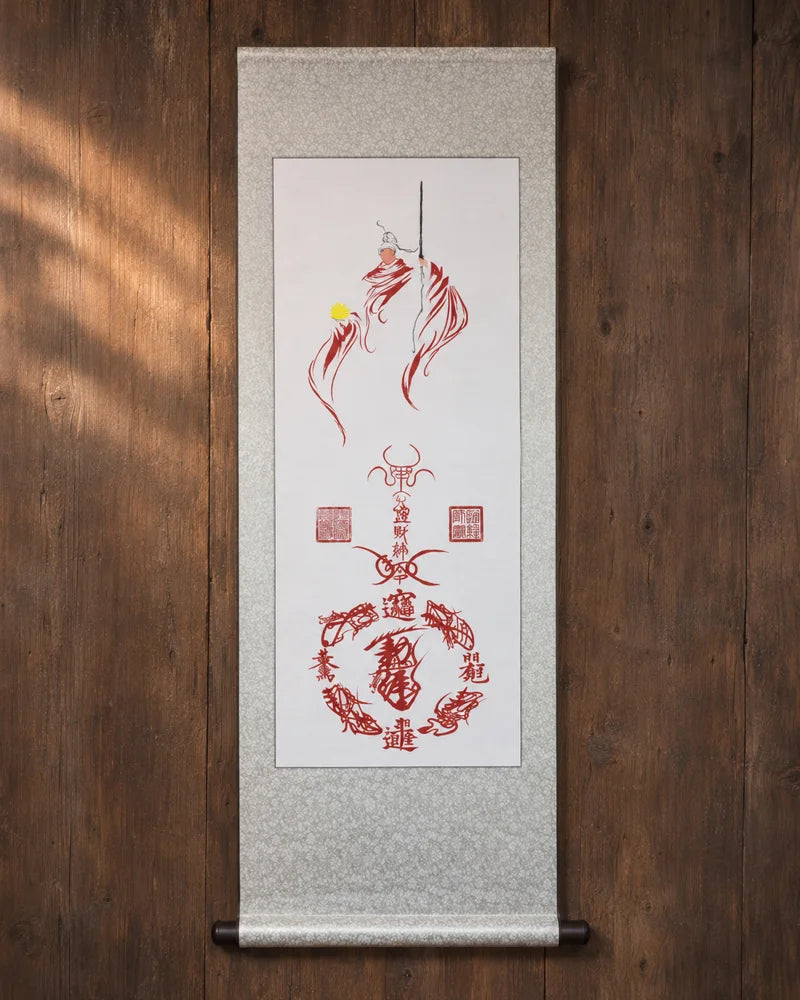
DaojingTaoist jewelry & talismans
A world of Taoist symbols. Jewelry, talismans and objects that carry a tradition into everyday life.
Symbols to carry.Stories to keep.
Five ThundersBig DipperYin & YangBaguaCarved traditionsDaojingFive ThundersBig DipperYin & YangBaguaCarved traditionsDaojing
Objects of tradition
Choose your path.
From something worn close
to a place made your own.

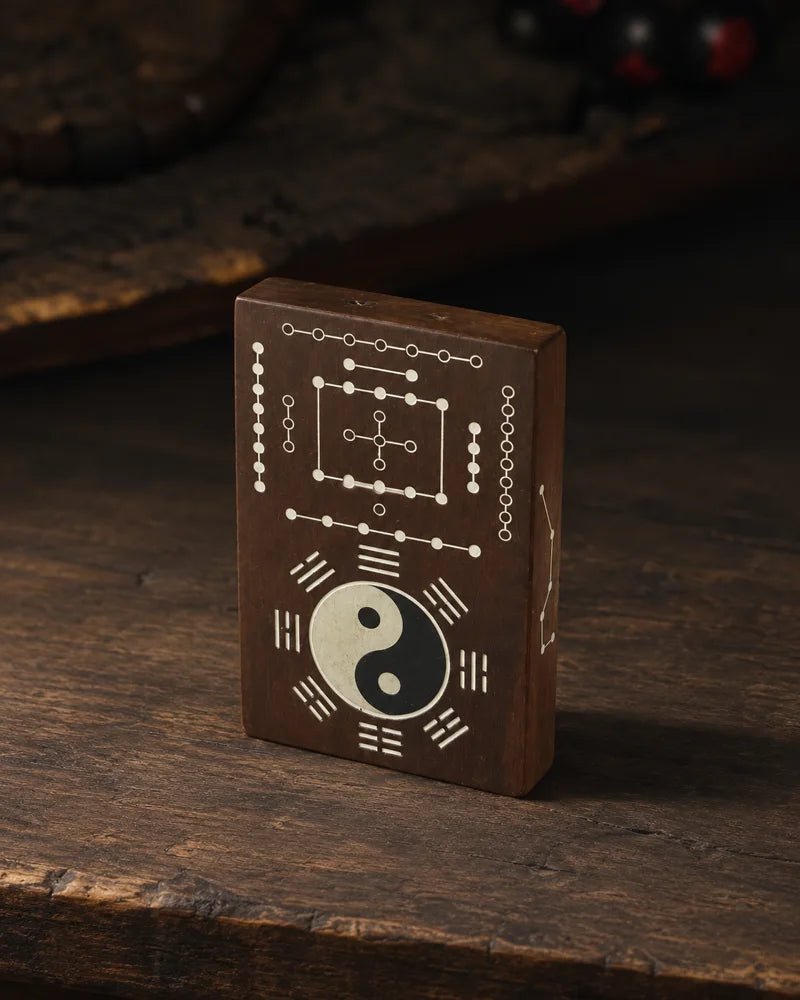
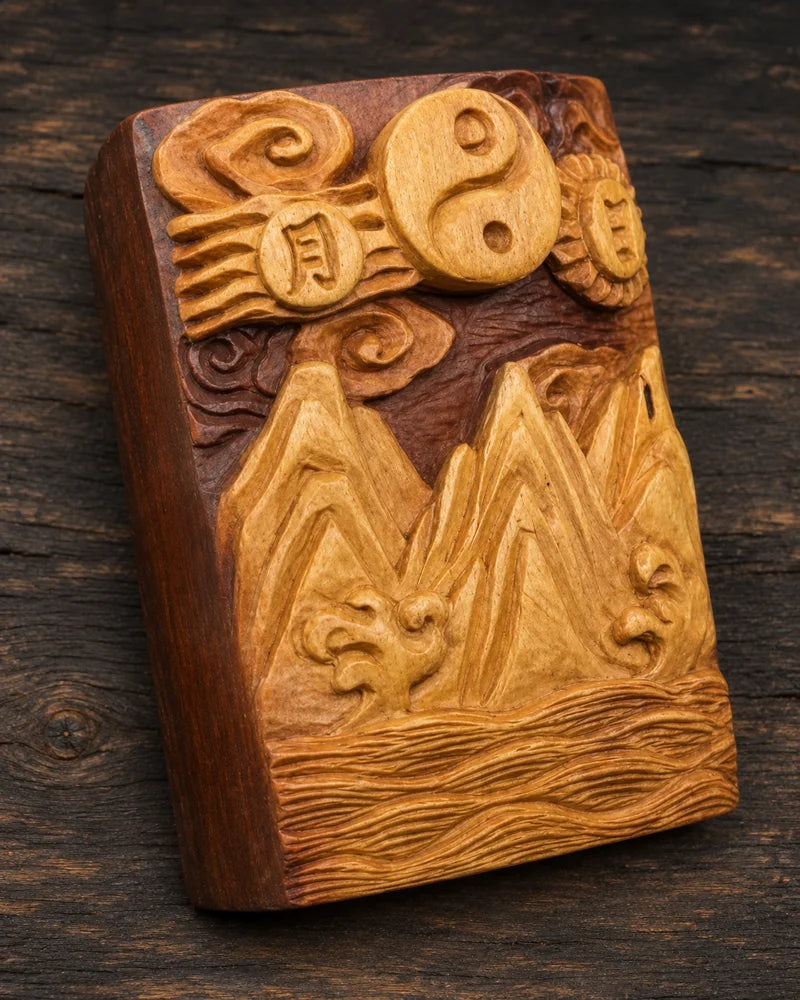
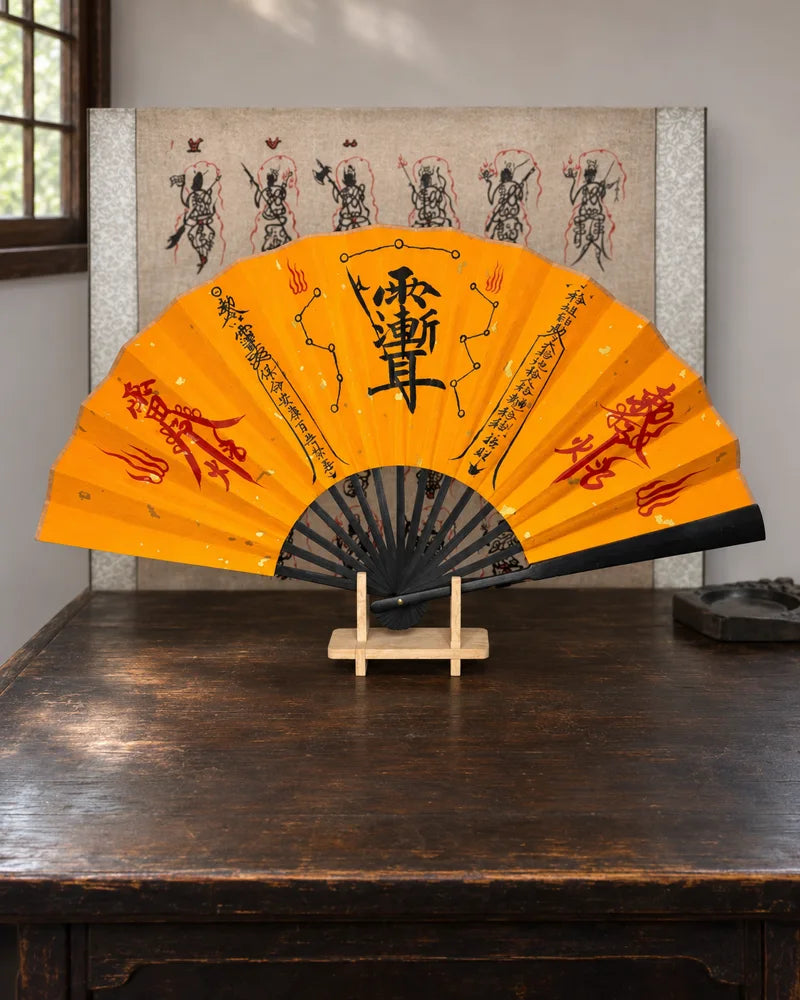
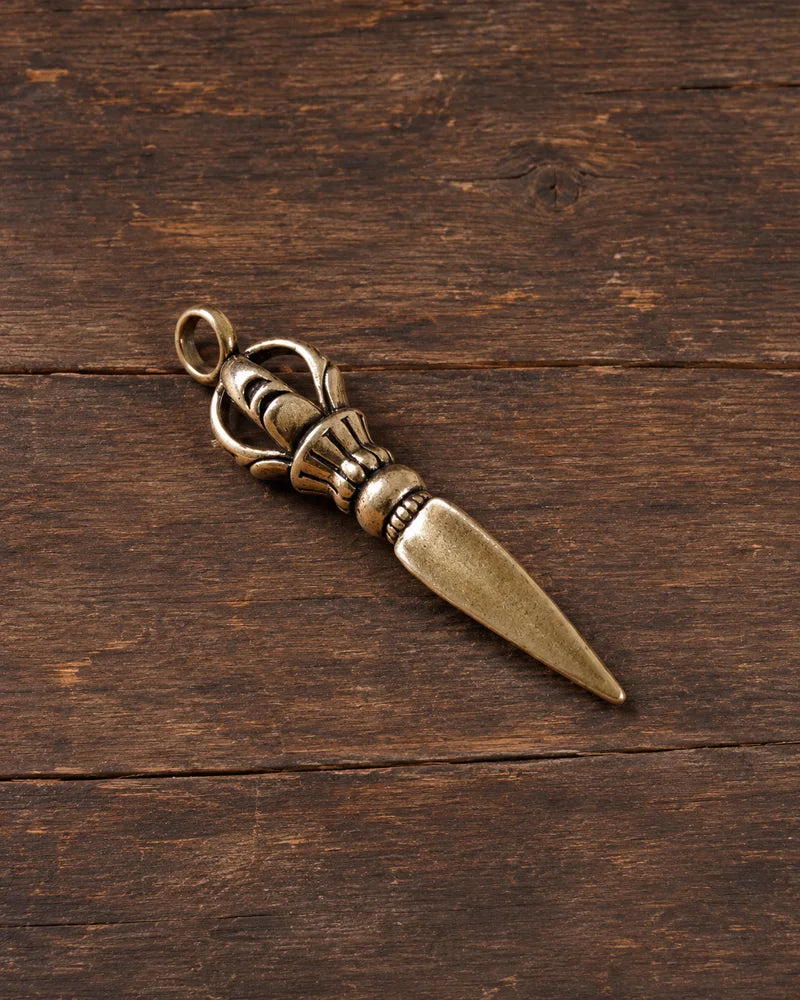


The collection
Chosen with intention.
Landscapes of the tradition
Four mountains.
Four ways into the story.
Palaces, forest paths and words carved into stone. Each mountain carries a different chapter of Taoist history.
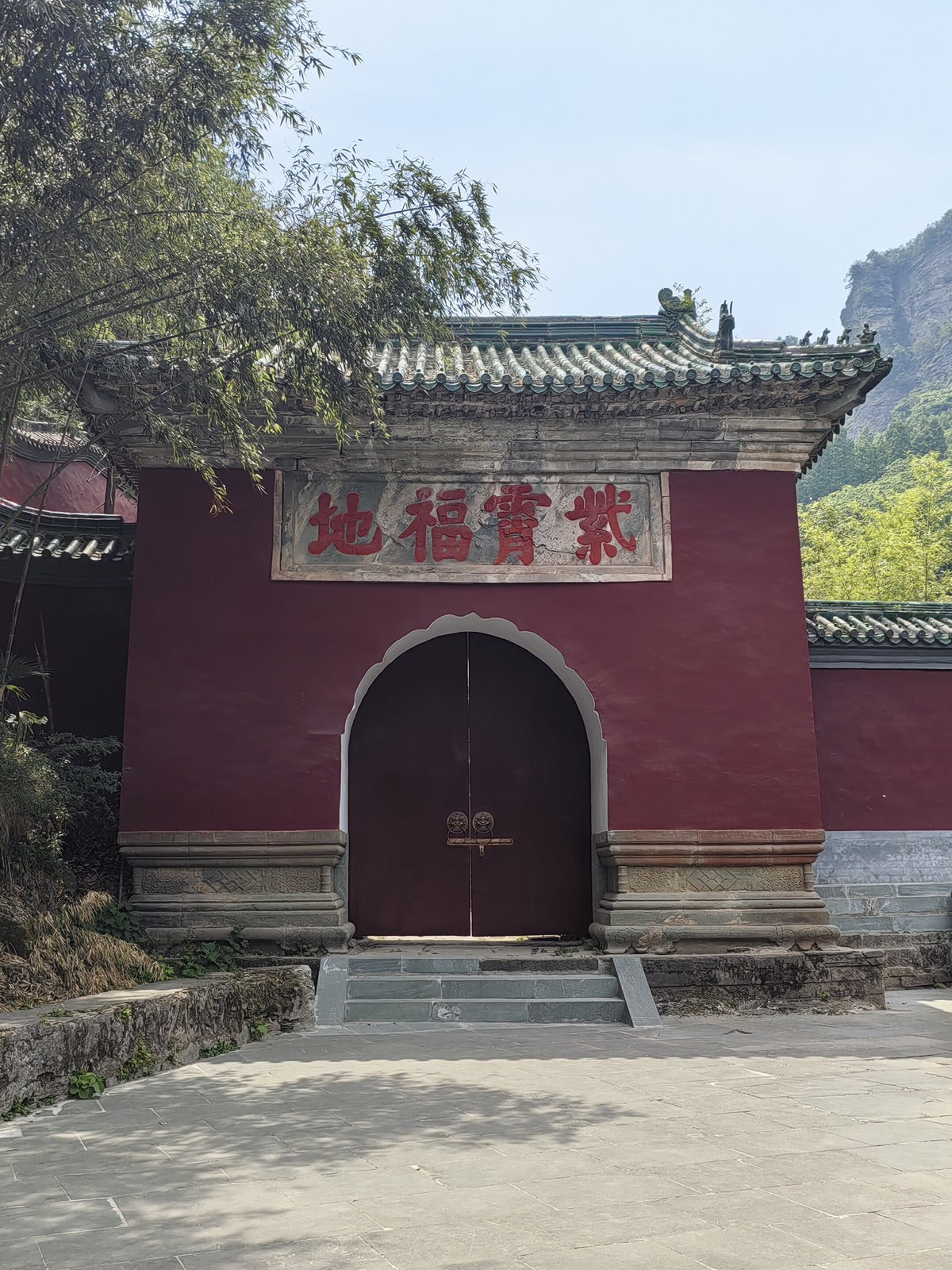
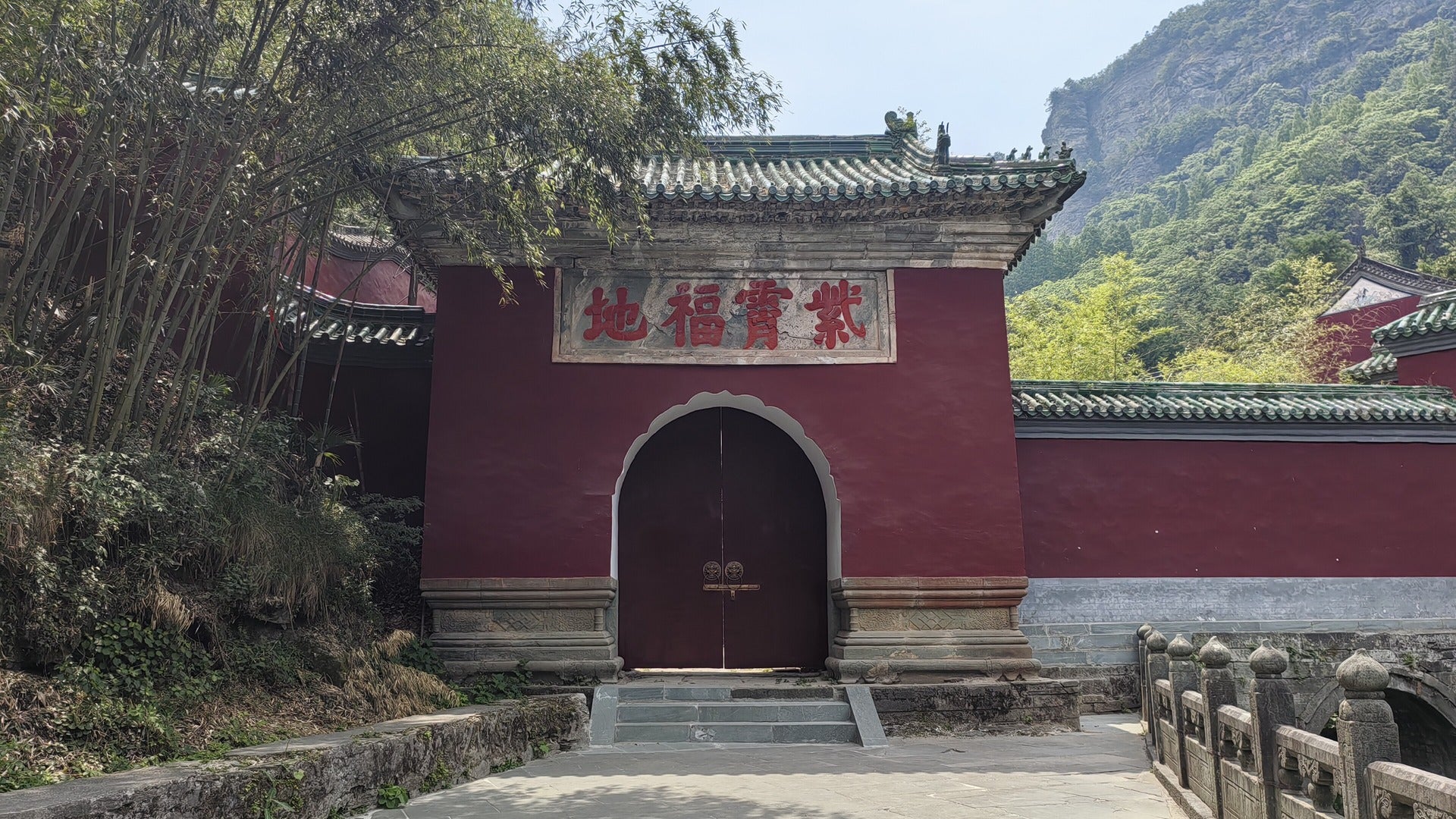
Hubei
Wudang
Palaces and temples follow the mountain ridges. Much of the surviving complex took shape under the Ming dynasty.
Architecture & landscape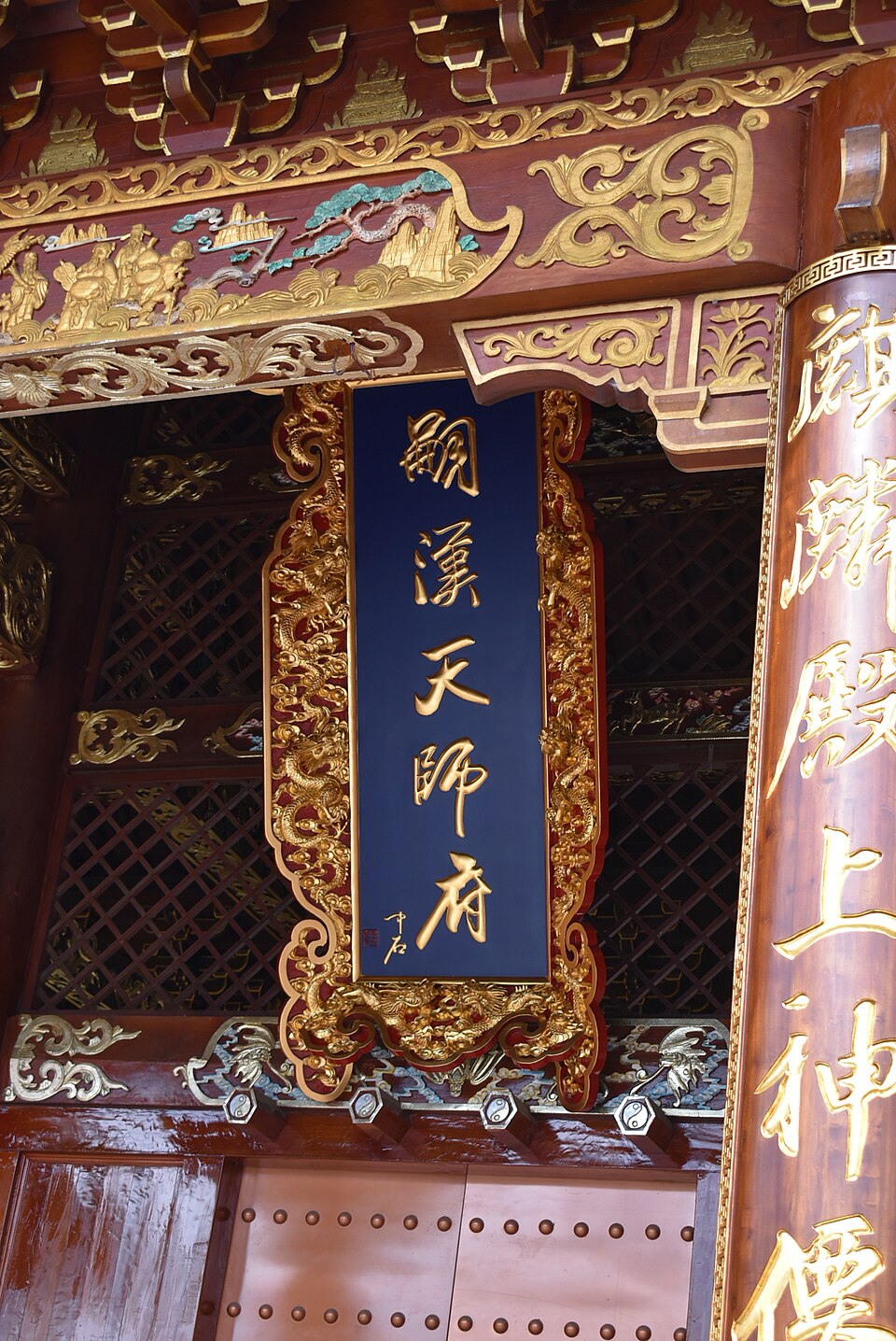
Jiangxi
Longhu
The Celestial Masters' Residence and Shangqing Palace connect the landscape with the history of a Taoist lineage.
The Celestial Masters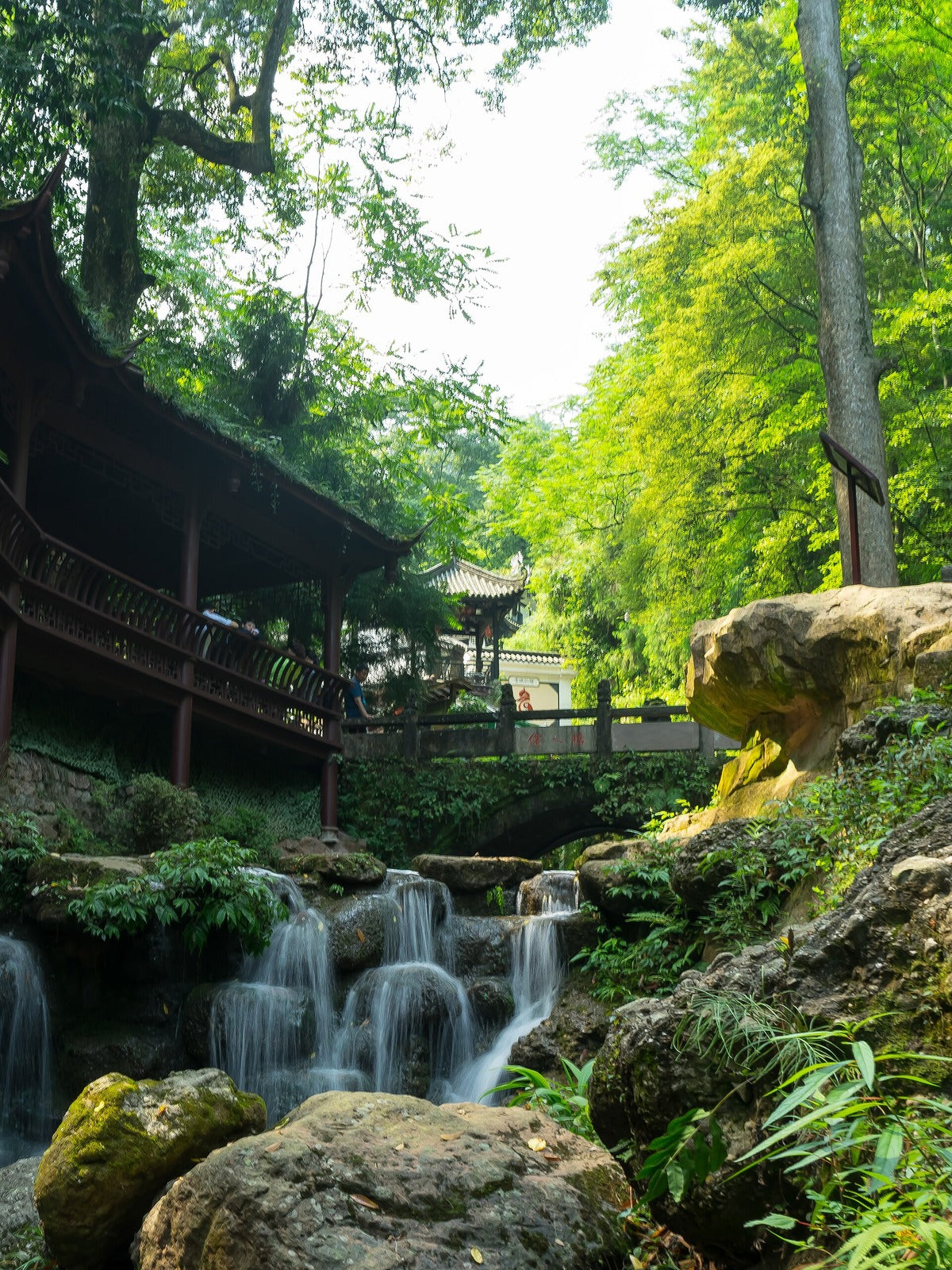
Sichuan
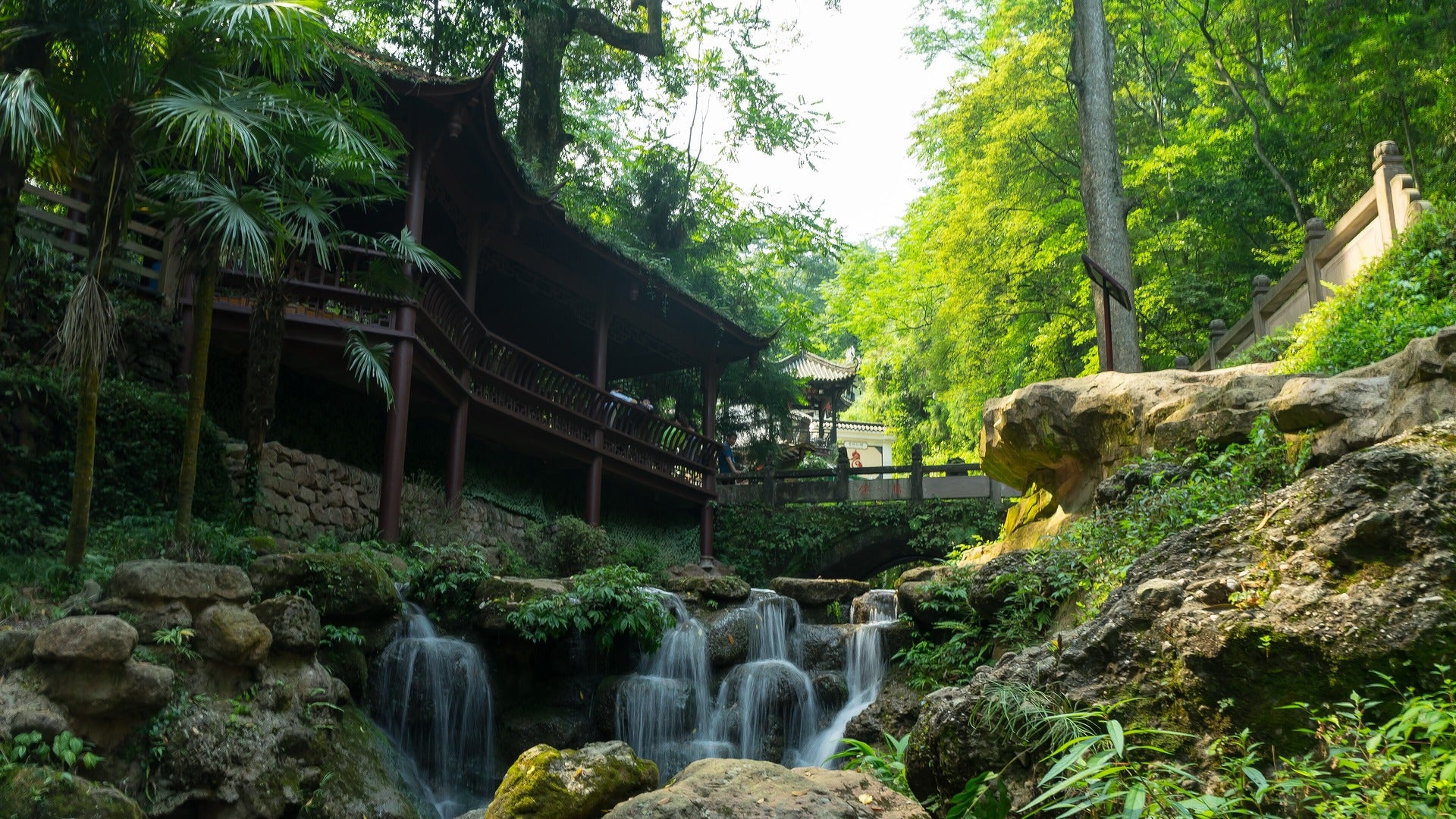
Qingcheng
Above the Chengdu Plain, temples and wooded paths are associated with the early history of organized Taoism.
A path through the forest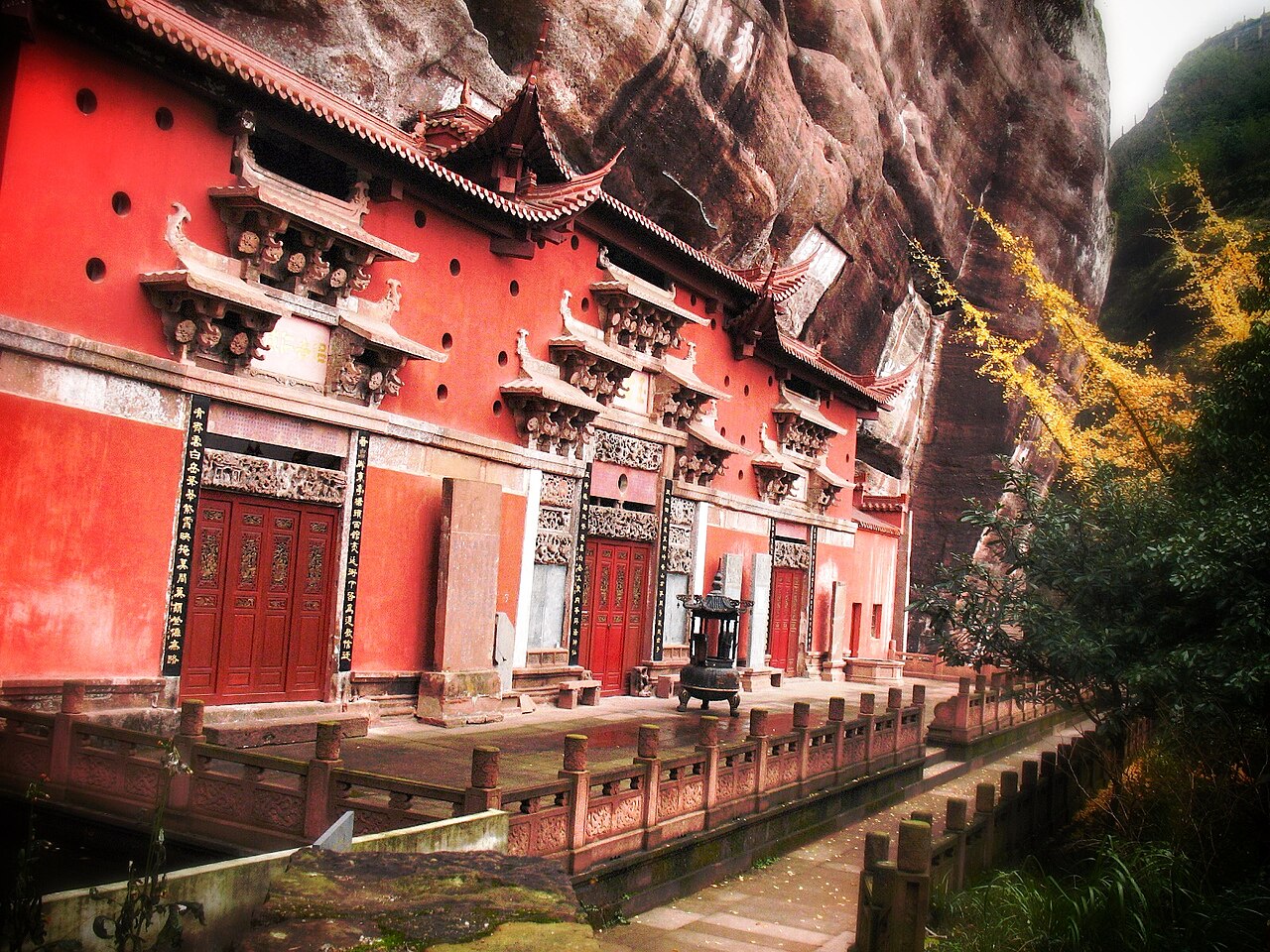
Anhui
Qiyun
Cliffs and stone inscriptions preserve stories of temples, landscapes and the people who visited them.
Stories written in stone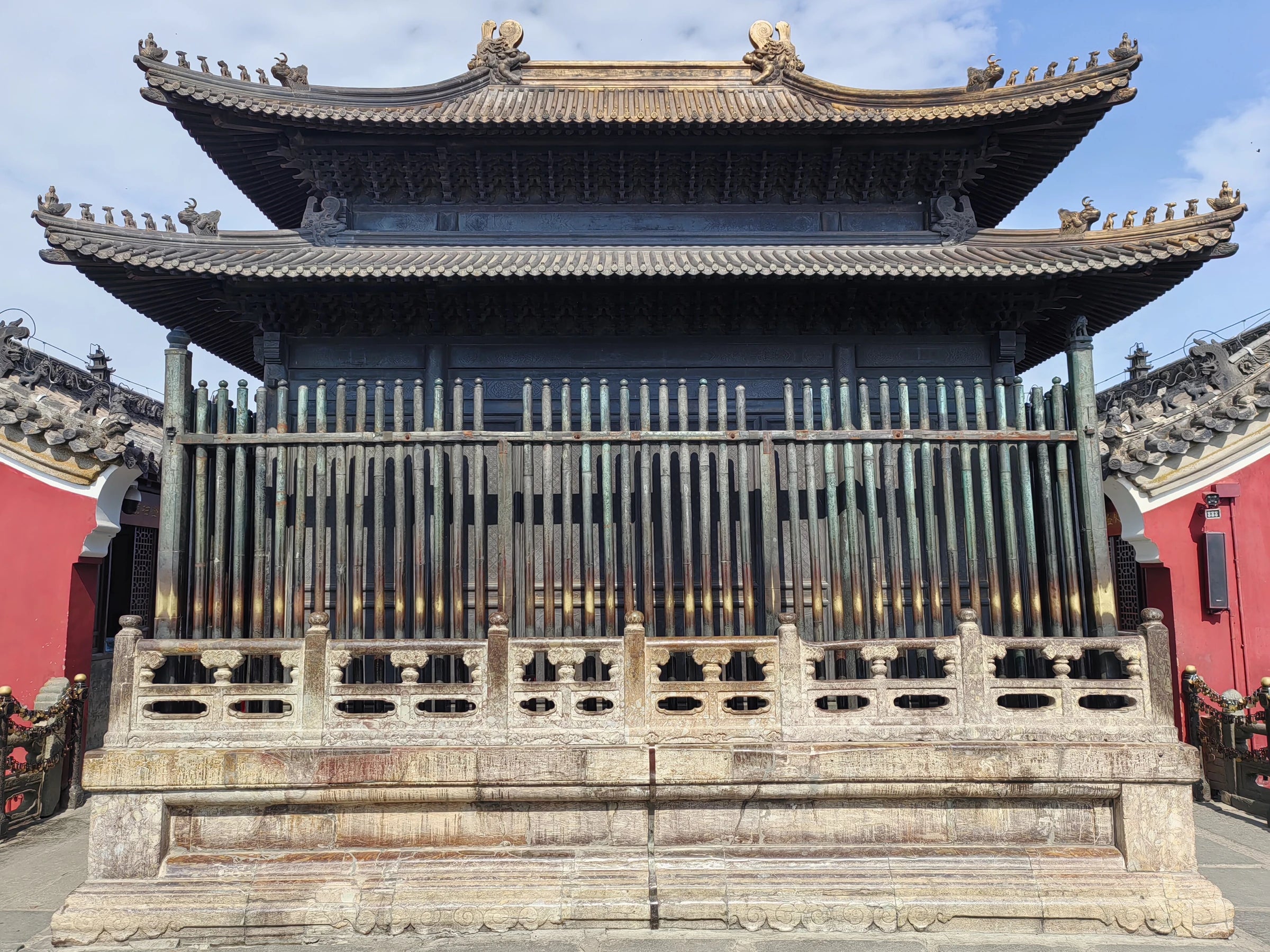
A living tradition
Beyond the symbol.
To understand an object, begin with its context. Architecture, images and inscriptions each offer a way to look more closely at Taoist culture. The photograph shows the Golden Hall at Wudang, Hubei.
Yin and yang, the eight trigrams and the five phases are related but distinct ways of describing the world. A particular design has its own story; not every symbol carries the same meaning.
Read the Daojing journal