Free worldwide shipping on orders of $80 or more

Thangka pendant
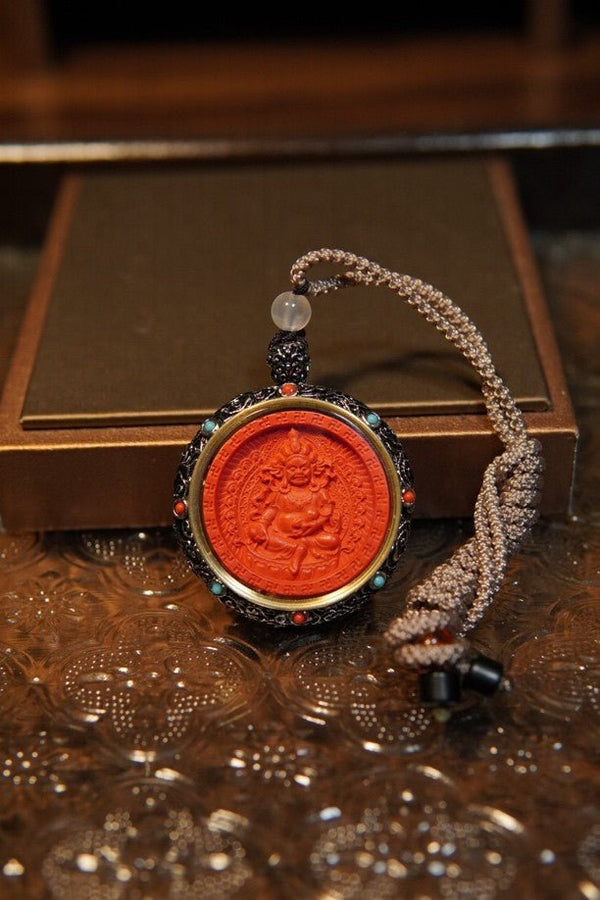
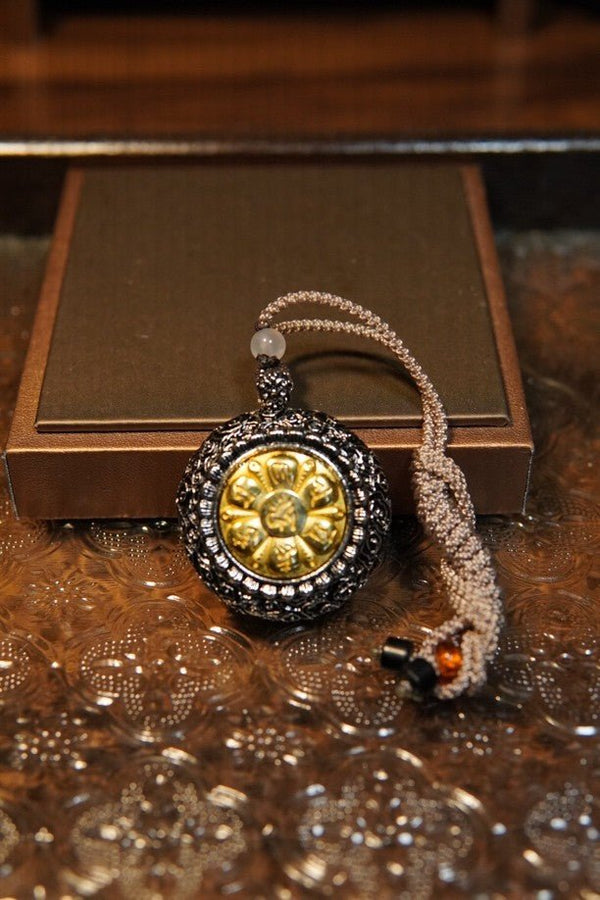
Thangka Pendants A thangka pendant makes an image the focal point of a wearable piece. Begin with the figure depicted, then consider how the image, surrounding setting and cord work together. The close-up view helps you appreciate the composition; the dimensions help...

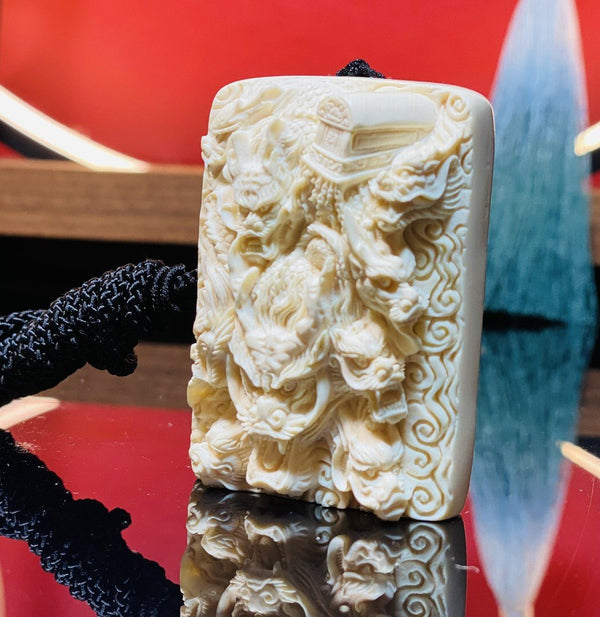
Hand Carved Dragon Sculpture - Asian Art Decor
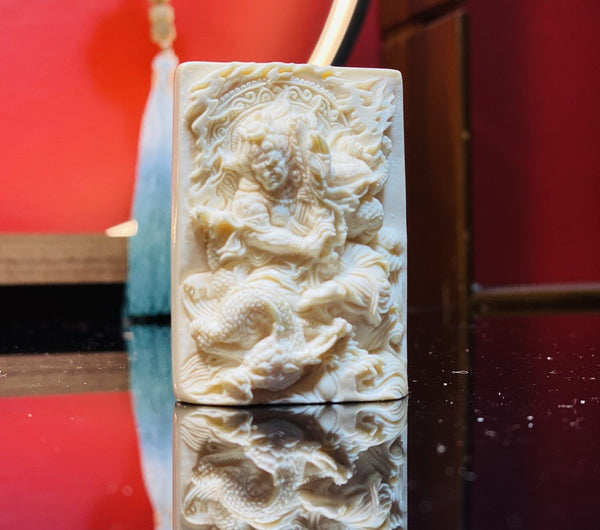
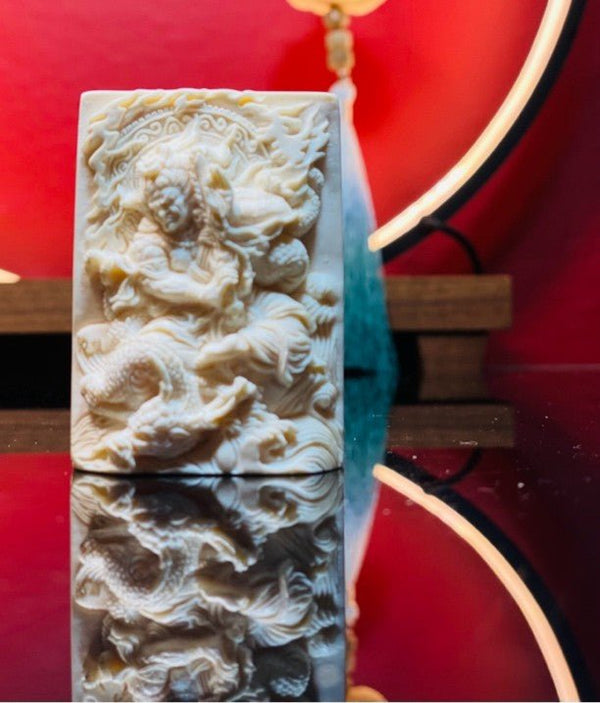
Acalanatha Ivory Nut Amulet – Tibetan Protection Pendant
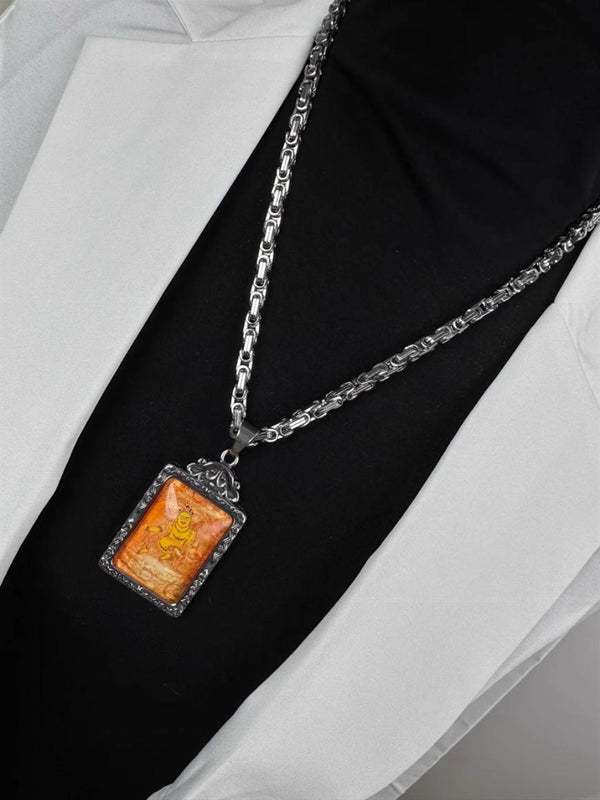

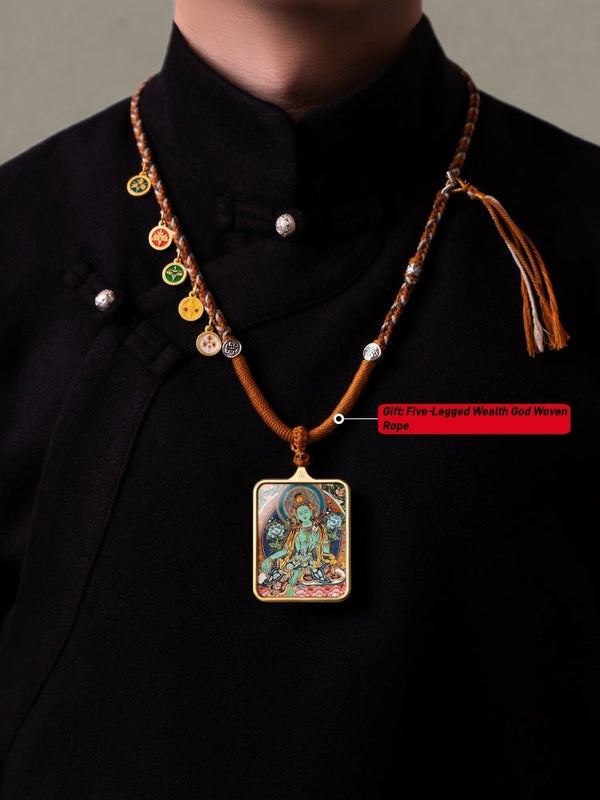
【Fortune in wealth】White Dzambhala

【Attraction】Red Dzambhala

Tibetan Green Dzambhala Pendant | Fast Wealth & Growth

【Unearned income】Black Dzambhala

【Wealth and peace】Yellow Wealth Deity

【Meet a benefactor】The Five Wealth Gods

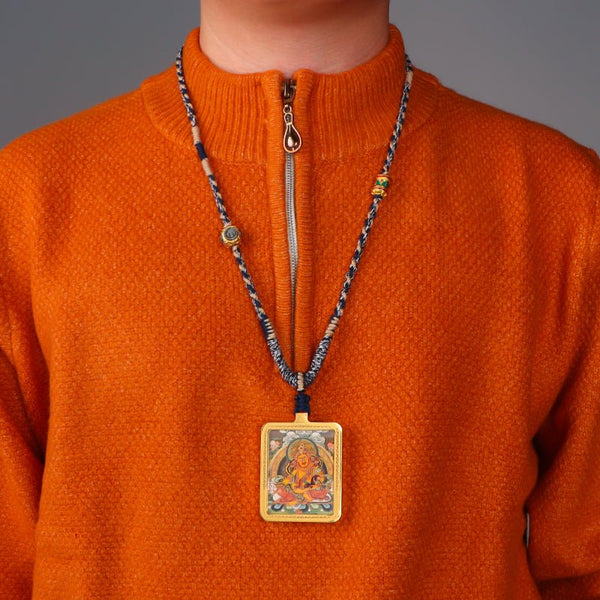
Tibetan White Tara Pendant | Longevity & Spiritual Grace

【Marriage】Guanzhi Bodhisattva Mother

【Solve problems】Goddess of Auspiciousness and Abundance

Avalokiteśvara Pendant | Healing & Spiritual Energy

Child Green Tara Pendant | Spiritual Protection Charm

【Love】Nine-tailed Arcanum Vine

Zakiraham Energy Bracelet | Wealth & Spiritual Balance

Vajrakilaya Amulet | Remove Worries & Spiritual Protection

Red Fortune God Pendant | Love & Luck Blessings

【Strength】Vajrapani Bodhisattva

Mahadeva Pendant | Healing Energy & Spiritual Relief

【Knowledge】Manjusri Bodhisattva
Thangka Pendants
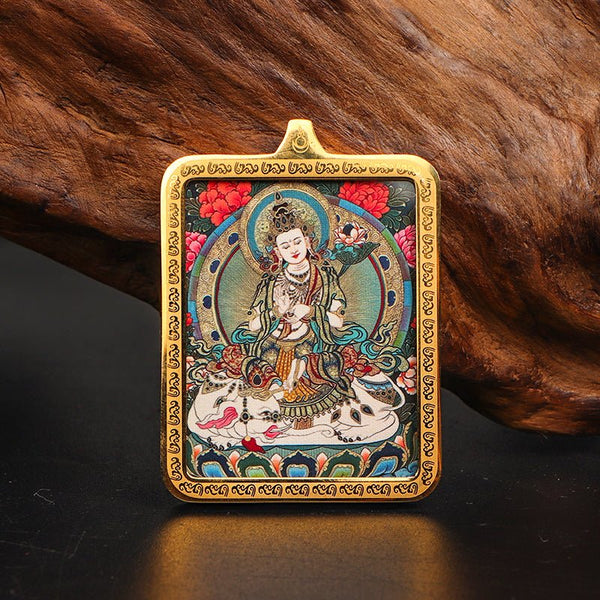
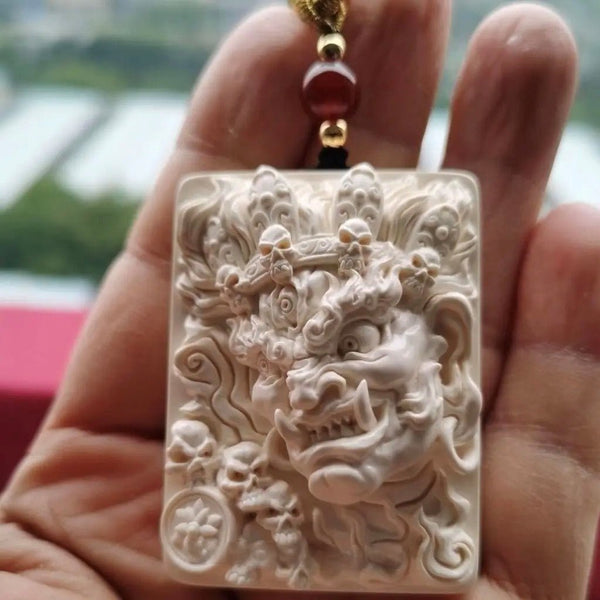
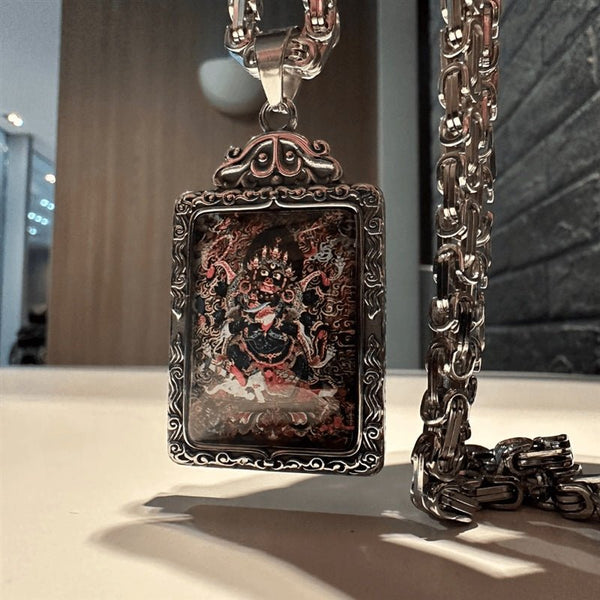
A thangka pendant makes an image the focal point of a wearable piece. Begin with the figure depicted, then consider how the image, surrounding setting and cord work together. The close-up view helps you appreciate the composition; the dimensions help you understand how the pendant will look when worn.
Look Closely at the Image
Names, attributes and iconography matter. Read the listing to identify the depicted figure and consult its accompanying explanation before choosing. A similar color palette or posture does not mean two images represent the same figure. If a name or detail is unclear, ask for clarification rather than relying on a broad category label.
The word thangka does not, on its own, tell you how a particular pendant image was produced. Look for an explicit description of the image-making method and supporting photographs. Do not assume hand painting, a particular workshop or a specific origin when the listing has not established those details.
Compare Size, Setting and Cord
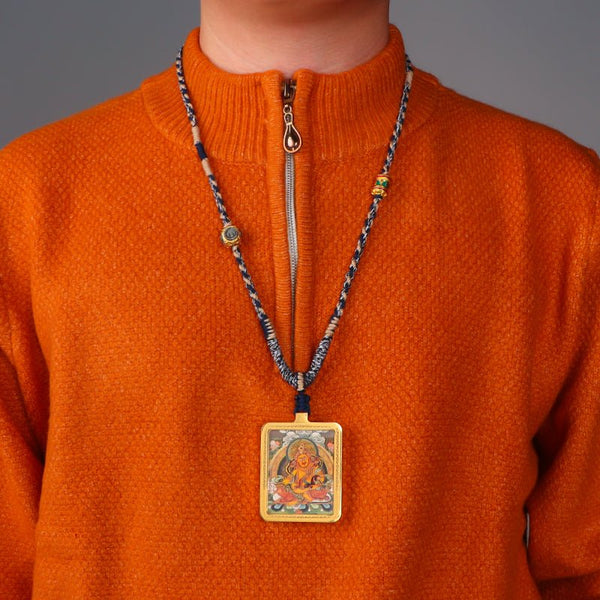
A pendant's height and width are more useful for fit than an enlarged studio photograph. Compare those measurements with an object you already wear. Check the setting material separately from the image, and read whether the cord or chain is included, adjustable or available in different lengths. Weight can also matter for longer daily wear; ask when it is not supplied.
For styling, a simple neckline can leave the image unobstructed. If you layer necklaces, allow enough space between them to avoid constant contact with the setting. Religious imagery also carries personal significance, so a gift works best when you know the recipient's preferences.
Does a Thangka Pendant Mean the Image Is Hand-Painted?
Not automatically. Check the individual production description. The collection name is not proof of a painting method or an artisan attribution.
Which Figure Should I Choose?
Start with a figure whose context you want to understand or with an established personal practice. Read the iconographic explanation; you do not need to choose through a promise of wealth, health or protection.
How Should I Care for the Pendant?
Follow the listing's guidance for the image, covering, setting and cord. Avoid assuming that every component tolerates water, solvents or metal-polishing treatments in the same way.