buddhist-jewelry
Jade Guide: Meanings & Real vs. Fake Jade
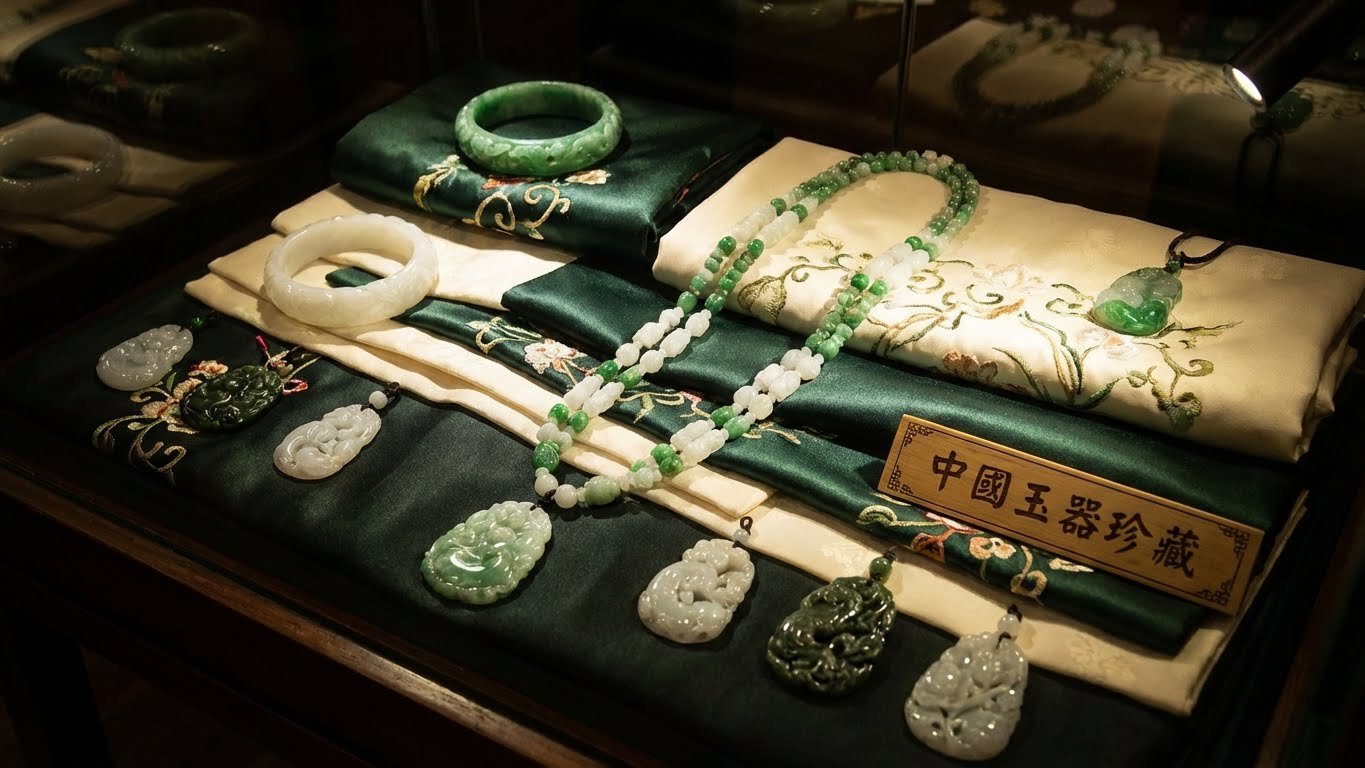
I'll never forget the moment I realized my "jade" bracelet was fake.
I'd worn it every day for three months. Paid $120 for it at a "reputable" jewelry store. Felt so proud—my first real jade piece. Then my Chinese grandmother visited, picked it up, and within 5 seconds said: "This is not jade. This is dyed quartz."
Each jade piece is hand-carved by master craftsmen trained in centuries-old Tibetan and Himalayan jade-working traditions, ensuring authentic craftsmanship.
On our most recent research trip through the bustling craft stalls in McLeod
My heart sank. not only because I wasted money, but because I'd been wearing something I thought was protecting me, connecting me to my heritage, carrying centuries of cultural meaning. And it was fake.
That experience sent me on a years-long journey to truly understand jade. I learned from gemologists, collectors, Chinese medicine practitioners, and family elders. I studied in jewelry markets in China. I held tens of thousands of dollars worth of imperial jade and $20 tourist pieces side by side.
Now I can spot fake jade in seconds. More importantly, I understand why jade has been treasured for over 7,000 years across multiple cultures, and why it's worth the effort to find the real thing.
This is your complete guide to jade—everything I wish someone had told me before I bought that fake bracelet.
Jade Typess Buying is then my Chinese grandmother visited, picked it up, and within 5 seconds said: "This is not jade.
Why This Jade Guide Exists
Jade is one of the most misunderstood stones in the world. The fake jade market is enormous. Even "real" jade comes in wildly different qualities and prices. Traditional meanings get lost in translation. And unlike diamonds, there's no universal grading system.
This guide covers:
✓ What jade actually is (two different minerals)
✓ Every type of jade jewelry and their uses
✓ Green jade vs white jade vs all colors
✓ How to identify authentic jade (real tests that work)
✓ Traditional meanings and spiritual properties
✓ How to choose, wear, and care for jade
✓ Where jade is going wrong (and how to avoid it)
Who this guide is for:
- First-time jade buyers
- People who inherited jade and want to understand it
- Spiritual seekers interested in jade's energy
- Anyone who's been burned by fake jade before
- Collectors wanting deeper knowledge
What Is Jade? The Truth About Two Stones
The Jade Confusion
Here's what most people don't know: "jade" refers to two completely different minerals that happen to look similar.
Jadeite:
Chemical composition: Sodium aluminum silicate
Hardness: 6.5-7 Mohs
Where found: Myanmar (90% of world's jadeite), Guatemala, Russia
Colors: Imperial green, lavender, white, black, yellow, orange
Value: Generally more valuable (can reach millions)
Best for: Investment, high-end jewelry, collectors
Nephrite:
Chemical composition: Calcium magnesium silicate
Hardness: 6-6.5 Mohs
Where found: China, Canada, New Zealand, Russia, USA
Colors: Creamy white to dark green
Value: More affordable but still valuable
Best for: Daily wear, spiritual work, traditional use
Both are real jade. Both have been used across generations. Both carry jade's spiritual properties. Don't let anyone tell you nephrite "isn't real jade"—that's absolutely false.
Why Jade Is Special
Toughness: Jade is one of the toughest natural materials on Earth—tougher than steel. You can't easily break it, which is why ancient peoples made tools and weapons from it.
Energy properties: Across cultures, jade is believed to absorb and hold the wearer's energy, becoming more "alive" over time.
Cultural significance: More valuable than gold in ancient China, sacred in Maori culture, precious to Mayans—jade crosses cultures like no other stone.
The Complete Collection: All Jade Jewelry Types
We've created detailed guides for each type of jade jewelry. Here's your complete jade collection:
1. Jade Bracelets
What makes them special:
Jade bracelets are worn on wrist energy points, constantly exchanging energy with your body throughout the day. In traditional Chinese culture, a woman's jade bracelet is often her most precious possession.
Key features:
- Worn on left wrist (receiving) or right wrist (giving/protecting)
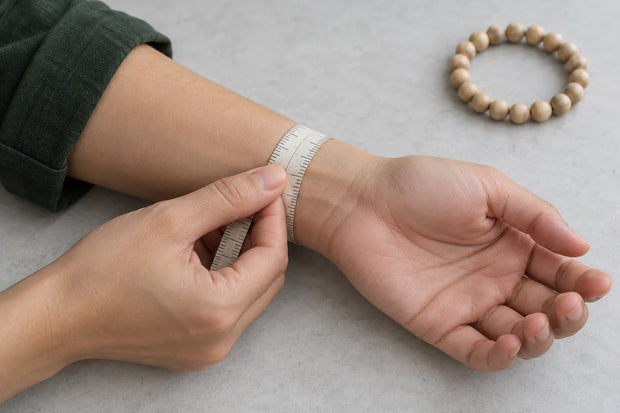
- Should feel slightly tight (won't fall off)
- Changes color as it absorbs your energy
- Often passed down through generations
Best for: Daily protection, prosperity attraction, constant spiritual connection
Traditional belief: If your jade bracelet breaks, it absorbed a disaster meant for you—it sacrificed itself to protect you.
Full guide: Complete Jade Bracelet Guide
---
2. Jade Bangles
What makes them special:
Jade bangles are solid, unbroken circles—more traditional and formal than bracelets with clasps. The unbroken circle represents completeness, eternity, and heaven.
Key features:
- Single piece of jade (no clasp or breaks)
- Must slip over hand to wear (size carefully!)
- Represents eternal bonds
- Often given at engagement or important life events
Best for: Commitment symbols, marriage harmony, formal occasions, serious jade wearers
How to choose: Must be sized correctly—too small won't go on, too large falls off. Once on, should be snug but comfortable.
Full guide: Complete Jade Bangle Guide
---
3. Jade Necklaces
What makes them special:
Jade necklaces position the stone over your heart chakra—the emotional and spiritual center. This placement is considered most powerful for jade's healing properties.
Key features:
- Pendant rests near heart
- Constant reminder and grounding tool
- Often features meaningful symbols (Buddha, dragon, etc.)
- Can be simple jade beads or elaborate pendants
Best for: Heart healing, spiritual work, meaningful symbols, daily wearing
Traditional belief: Jade worn over the heart protects your health and life force itself.
Full guide: Complete Jade Necklace Guide
---
4. Jade Pendants
What makes them special:
Jade pendants feature carved symbols, each with specific meanings and powers. This is where jade becomes a storytelling medium—dragons for power, Buddha for peace, Pi Xiu for wealth.
Traditional symbols and meanings:
- Buddha: Peace, enlightenment, spiritual protection
- Dragon: Power, success, yang energy
- Phoenix: Rebirth, grace, yin energy
- Pi Xiu: Wealth attraction, protecting money
- Guan Yin: Compassion, mercy, maternal love
- Gourd: Health, protection from illness
- Cabbage: Prosperity (cai = wealth in Chinese)
- Circle/Disc: Heaven, perfection, eternity
Best for: Specific intentions, cultural symbols, meaningful gifts, spiritual work
Full guide: Complete Jade Pendant Guide (All Symbols)
---
5. Green Jade
What makes it special:
Green jade is the most famous, most traditional, and most spiritually significant jade color. It's what most people picture when they think "jade."
The spectrum of green:
- Pale celadon: Gentle, calming, new beginnings
- Apple green: Vibrant, youthful, growth
- Moss green: Earthy, grounding, natural
- Dark spinach green: Powerful, wealthy, protective
- Imperial green: Most valuable, emerald-like, rare (can cost $100,000+)
Spiritual properties:
- Heart chakra activation
- Prosperity and abundance
- Emotional balance
- Physical health (especially heart)
- Good luck and fortune
Best for: Wealth attraction, heart healing, daily wear, traditional uses
Cultural meaning: In Chinese culture, green jade represents heaven itself—the most sacred color.
Full guide: Complete Green Jade Guide
---
6. White Jade
What makes it special:
White jade represents purity, clarity, and new beginnings. While less famous than green, white jade is equally valued in Chinese culture—especially Hetian "mutton-fat" jade, which can be more expensive than green.
Colors and types:
- Pure white: Clarity, spiritual connection
- Creamy white: Warmth, gentle energy
- Mutton-fat white: Most prized, slight warm undertone, extremely rare
Spiritual properties:
- Mental clarity and focus
- Spiritual purification
- New beginnings after endings
- Crown and third eye chakra work
- Truth and honesty
Best for: Life transitions, spiritual work, meditation, clearing old patterns, starting fresh
When to choose white vs green:
- Choose white: Mental work, spiritual growth, new chapters
- Choose green: Emotional work, prosperity, daily protection
Full guide: Complete White Jade Guide
---

How Jade Works: Traditional Beliefs and Modern Use
The Energy Exchange
Chinese saying: "People nourish jade, jade nourishes people" (人养玉,玉养人)
What this means:
- You wear jade → Your body oils, warmth, and energy polish and change the jade
- Jade changes → It becomes more translucent, deeper in color, "alive"
- Jade affects you → Provides protection, healing, spiritual benefits
- Continuous cycle → The longer you wear it, the stronger the bond
This is why:
- Family jade is so precious (generations of energy)
- You shouldn't let others touch your jade frequently
- You should wear jade constantly, not store it
- Jade that's been worn looks different from new jade
Scientific vs. Spiritual Perspective
Scientific view:
- Jade's cooling property is real (thermal conductivity)
- Body oils do change jade's appearance over time
- Psychological effects of wearing meaningful jewelry are documented
- Jade's toughness makes it ideal for constant wear
Spiritual/Traditional view:
- Jade absorbs negativity and protects wearer
- Different colors work with different chakras
- Jade broken = absorbed disaster meant for you
- Jade connects to ancestral and spiritual realms
What I believe: Whether it's energy, psychology, tradition, or all three—jade works. Thousands of years and millions of people can't be wrong. Wear it with intention and respect, and jade will serve you.
How to Identify Real Jade (Tests That Actually Work)
The Fake Jade Problem
The fake jade market is huge. Common fakes include:
Serpentine: Softer green stone, most common jade fake
Aventurine: Green quartz with sparkles
Dyed glass: Too uniform, air bubbles
Plastic/resin: Lightweight, warm
Treated jade: Real jade but bleached, dyed, polymer-filled (Grade B/C)
Tests You Can Do
Temperature test (best quick test):
✅ Real jade: Cool to touch, stays cool, warms very slowly
❌ Fake: Quickly reaches body temperature
Weight test:
✅ Real jade: Dense, heavier than expected for size
❌ Fake: Too light (plastic) or oddly weighted (glass)
Sound test:
✅ Real jade: Tap two pieces—clear, musical chime
❌ Fake: Dull thud or plastic clack
Scratch test (careful!):
✅ Real jade: Won't scratch with steel knife (hardness 6-7)
❌ Fake: Shows scratches
⚠️ Don't try on pieces you don't own
Flashlight test:
✅ Real jade: Some translucency, internal structure visible
❌ Fake: Completely opaque or unnaturally clear
Professional Authentication
For pieces over $200, always get certified:
Certificate should state:
- Mineral type: Jadeite or nephrite
- Treatment: Grade A (untreated), B (bleached/filled), or C (dyed)
- Color: Natural or enhanced
- Origin: If determinable
Grade system explained:
- Grade A: Natural, untreated jade—this is what you want
- Grade B: Bleached and polymer-filled—reduced value, will degrade
- Grade C: Bleached, filled, AND dyed—lowest value, temporary
Traditional Jade Meanings Across Cultures
Chinese Culture (5,000+ Years of Jade)
"Gold has value, jade is priceless" (金有价,玉无价)
Jade represents:
- 仁 (Rén): Benevolence, kindness
- 义 (Yì): Righteousness, morality
- 智 (Zhì): Wisdom, intelligence
- 勇 (Yǒng): Courage, bravery
- 洁 (Jié): Purity, integrity
Traditional uses:
- Imperial seals carved from jade
- Emperors buried in jade suits for immortality
- Given at births, weddings, major life events
- Worn by scholars and nobility as virtue symbol
Maori Culture (New Zealand Pounamu)
Pounamu (greenstone) is sacred treasure:
Traditions:
- Should be gifted, not bought for yourself
- Gains mana (spiritual power) through wearing
- Connects wearer to land and ancestors
- Different shapes have specific meanings (koru, tiki, twist)
Mayan Culture
Jade more valuable than gold:
- Reserved for royalty
- Represented life force and maize (sustenance)
- Placed in mouths of dead for afterlife journey
- Used in most sacred ceremonies
How to Choose Your Jade
By Your Need
For Prosperity and Wealth:
- Green jade (any shade)
- Pi Xiu pendant
- Cabbage pendant
- Bracelet on left wrist (receiving wealth)
For Spiritual Growth:
- White jade
- Buddha or Guan Yin pendant
- Simple circle/disc
- Necklace over heart
For Protection:
- Dark green or black jade
- Dragon pendant
- Bracelet on right wrist (projecting protection)
- Wear constantly
For Emotional Healing:
- Green jade (heart chakra)
- Necklace or pendant over heart
- Guan Yin (compassion) symbol
- Wear during healing process
For New Beginnings:
- White jade
- Simple forms (disc, smooth bead)
- Cleanse thoroughly before starting
- Set clear intention
By Your Budget
$30-$150: Quality nephrite, simple pieces, daily wear
$150-$500: Premium nephrite or entry jadeite, detailed work
$500-$2,000: Quality jadeite, collector pieces, heirlooms
$2,000+: Investment-grade jadeite, museum quality
First Jade Recommendations
Best first jade pieces:
1. Green jade bracelet ($50-$200): Most traditional, versatile
2. Simple jade pendant ($30-$150): Meaningful, easy to wear
3. Jade Buddha pendant ($50-$150): Spiritual, peaceful energy
Start with nephrite: More affordable, excellent for learning jade energy, still authentic and powerful.
How to Wear and Care for Jade
Wearing Guidelines
Wear constantly:
- Sleep with it
- Shower with it (jade is durable)
- Only remove for heavy physical work
- The more you wear, the stronger the bond
Wrist placement (for bracelets):
- Left wrist: Receiving energy (prosperity, love, spiritual guidance)
- Right wrist: Giving/protecting (projecting power, releasing negativity)
- Most people wear left for jade
Keep it personal:
- Don't let practitioners touch your jade
- It's absorbed your energy—keep it sacred
- Exception: Immediate family, passing down generations
Daily Care
Avoid chemicals:
- No harsh cleaners
- Remove before pool (chlorine)
- Apply perfume before putting on jade
- No bleach or acids
Clean regularly:
- Wipe with soft damp cloth daily
- Mild soap if needed
- Dry thoroughly
- Polish occasionally with soft cloth
Energetic Cleansing
Moonlight (best for jade):
- Full moon overnight
- Cleanses and recharges
- Safe for all jade
Smoke cleansing:
- Sage or palo santo
- Quick, effective
- Weekly or as needed
Running water:
- Natural stream best
- Brief rinse
- Dry immediately
Common Jade Questions Answered
Does jade really change color?
Yes, real jade does change color when worn:
Normal changes (good signs):
- Becoming more translucent (body oils polishing)
- Deepening in color (energy absorption)
- Developing warm undertone (bonding with you)
- These changes happen slowly over months/years
Bad changes (concerns):
- Rapid yellowing (treated jade degrading)
- Color washing out (dyed jade fading)
- Quick dramatic changes (not natural jade)
If my jade breaks, what does it mean?
Traditional belief: Jade absorbed a disaster meant for you—it sacrificed itself to protect you.
What to do:
1. Thank the jade for its protection
2. Bury it respectfully or keep it
3. Don't repair it (energy is broken)
4. Choose new jade when ready
Can I wear multiple jade pieces?
Yes, you can layer jade energy:
Good combinations:
- Green jade bracelet + white jade pendant (balanced)
- Jade bracelet + jade necklace (powerful)
- Different jade colors for different needs
Don't overdo it: 2-3 jade pieces maximum. Let each piece breathe and be effective.
Can men wear jade?
Absolutely. Jade is not gendered:
Traditionally masculine symbols:
- Dragon (power, success)
- Simple disc (minimalist)
- Dark jade colors
- Thicker bangles or bracelets
Men typically wear: Pendants, bracelets, rings. Bangles less common for men but not forbidden.
Is older jade better?
For antiques, yes—historical and spiritual value:
- Carries previous wearers' energy
- Cultural significance
- Potentially valuable as antique
But new jade can be higher quality:
- Better color
- Finer carving with modern tools
- No risk of damage or cracks from age
What matters most: Grade A jade (untreated), good color, proper carving—not necessarily age.

Where to Buy Authentic Jade
Trusted Sources
Reputable jade dealers:
- Established shops with return policies
- Provide certificates for expensive pieces
- Willing to let you test jade
- Transparent about treatments
What to avoid:
- Street vendors (high fake rate)
- Too-good-to-be-true prices
- Sellers who pressure or rush you
- No return policy
- Refuse to let you test or examine closely
Online Buying Tips
If buying online:
- Choose sellers with detailed photos
- Check reviews specifically about jade authenticity
- Ensure return policy
- Request certificate for expensive pieces
- Start with lower-priced pieces to test seller
Explore our authenticated jade collection at Buddha Belief Jade Collection.
Your Jade Journey Starts Here
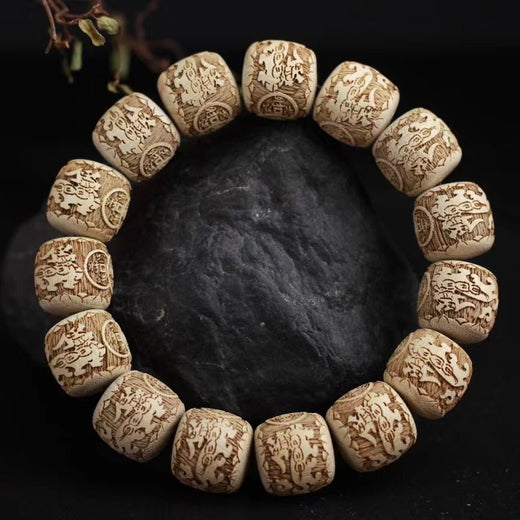
Explore our white jade Bodhi bracelet.
Jade isn't just jewelry. It's not only pretty green stone.
Jade is connection—to ancient cultures, to spiritual traditions, to family lineages, to the earth itself. It's protection, prosperity, healing, and transformation carried in physical form.
I learned this the hard way with my fake bracelet. But that mistake led me to real jade, which has been with me through job changes, relationship endings, cross-country moves, and personal transformation.
My grandmother's jade pendant still hangs around my neck. It's over 100 years old. Four generations of women wore it before me. When I touch it, I feel all of them—their strength, their struggles, their survival. That's the real magic of jade.
Your next steps:
- Choose what calls to you: Bracelet, necklace, pendant? Green or white?
- Start with one authentic piece: Better one real than five fake
- Learn your jade: Use the tests in this guide
- Wear it constantly: Let the energy exchange begin
- Notice changes: In the jade and in yourself
- Pass it forward: Jade is meant to travel through generations
Real jade will change your life—if you let it.
Welcome to the world of jade. Your stone is waiting for you.
Explore our complete collection of authentic jade jewelry and complementary spiritual jewelry pieces.
Keep reading