buddhist-jewelry
Thangka Pendants: Wearable Tibetan Spiritual Art & Blessings
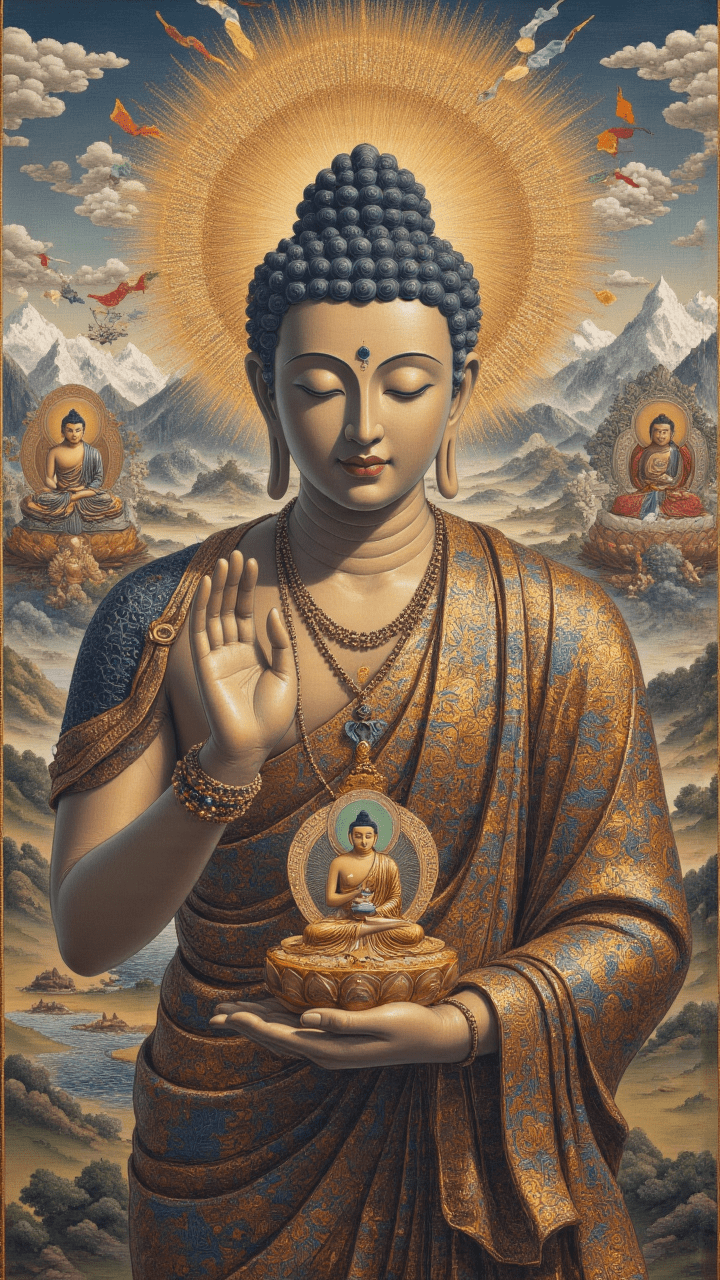
Thangka Pendants: Wearable Tibetan Spiritual Art & Blessings
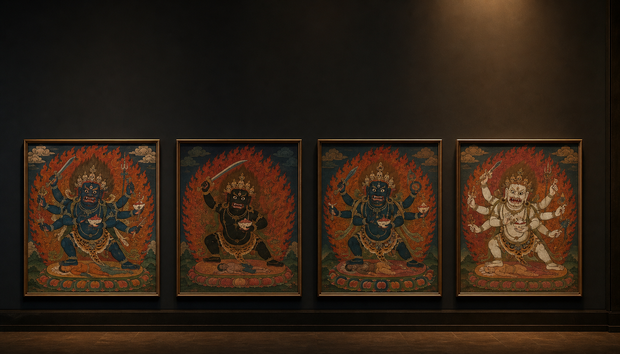
For centuries, the sacred art of Thangka painting has served as a luminous gateway to the divine. More than mere decoration, these intricate scrolls are one of Tibet's most profound spiritual tools—vivid depictions of deities, mandalas, and enlightened beings, meticulously crafted to guide meditation and channel divine blessings.
They are maps to enlightenment, visual representations of the highest states of consciousness. Today, this ancient and powerful tradition is transformed into wearable spiritual art through Thangka pendants. These miniature masterpieces allow you to carry the protective presence, profound wisdom, and sacred character of the Buddhist pantheon not only in your mind, but close to your heart, empowering your journey every single day.
Each Thangka pendant in our collection is a universe in miniature, a hand-painted and consecrated vessel of spiritual guidance. By wearing one, you are not simply adorning yourself with jewelry; you are enveloping yourself in a field of sacred presence, a constant reminder of your own inner potential for peace, strength, and compassion.
Explore how these blessed talismans can become your personal spiritual ally, offering protection and inspiration as you navigate the complexities of modern life.

Thangka Pendants Jewelry Blessings is thangka Pendants: Wearable Tibetan Spiritual Art & Blessings
The Sacred Art of Thangka: A Journey Through Time and Spirit
To truly understand the power of a Thangka pendant, you must first appreciate the tradition from which it springs. Thangka painting is not an ordinary art form; it is a spiritual discipline, a lineage-based practice passed down through generations of masters.
Originating in Tibet around the 7th century, influenced by the masterful Newar artists of Nepal and the rich artistic traditions of India and China, Thangkas quickly became central to Tibetan Buddhist practice.
The creation of a traditional Thangka is an act of deep meditation and devotion. The artist, often a monk or a dedicated lay practitioner, undergoes years of rigorous training to master the precise iconographic measurements, symbols, and postures—known as thigse—that define each deity.
Every detail is prescribed by sacred texts. The slant of an eye, the color of a robe, the position of a hand (mudra), and the objects held all carry layers of profound symbolic meaning.
There is no room for personal artistic whim; the goal is to create a perfect, consecrated vessel for the deity's presence to call in.
The materials themselves are imbued with sanctity. The canvas is prepared with a mixture of chalk and animal glue, polished with a smooth stone until it resembles ivory. The paints are traditionally made from ground mineral pigments—lapis lazuli for deep blues, malachite for greens, cinnabar for reds—and even precious substances like powdered gold and silver.
The use of these natural, earth-born elements connects the painting to the elemental forces of the universe. The entire process, from stretching the canvas to applying the final touch of gold to the deity's eyes in a special "eye-opening" ceremony, is accompanied by the chanting of mantras and prayers.
This infuses the artwork with spiritual life force, making it a sacred object, a true conduit for blessings.
From Monastery Walls to Wearable Blessings: The Thangka Pendant
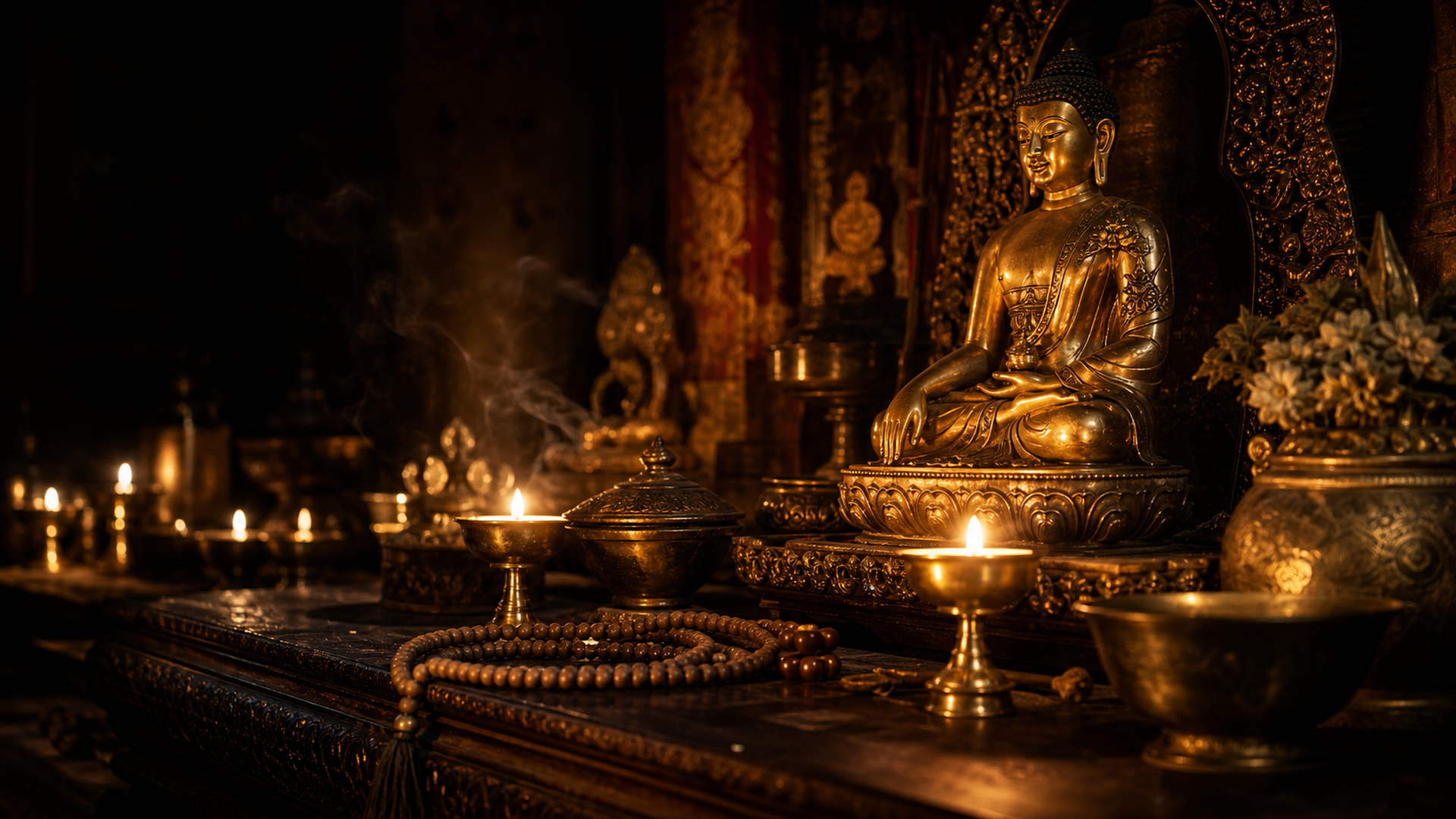
Traditionally, large Thangkas hang in monasteries and home altars, used as focal points for meditation, visualization practices, and religious ceremonies. They are unrolled on special occasions, their vibrant colors and powerful imagery meant to inspire awe and devotion in the viewer.
So how does this grand tradition translate into a small, wearable pendant?
A Thangka pendant is a miniature, hand-painted Thangka, created with the same devotion and adherence to iconographic detail as its larger counterpart. These small paintings are then encased in protective frames, often made of silver or other durable metals, allowing them to be worn as necklaces.
This innovation is not a modern dilution of the tradition but rather an evolution of it, rooted in the Tibetan practice of carrying protective amulets, or gau boxes. A gau is a portable shrine that can hold sacred texts, blessed herbs, or images of deities, worn to provide protection and blessings during travel or daily life.
The Thangka pendant functions in a similar way—as a personal, portable sanctuary.
The creation of a miniature Thangka requires immense skill. The artist must render the complex details of a deity on a surface no bigger than a coin, a task that demands a steady hand, intense focus, and deep meditative concentration.
Each brushstroke is a prayer. Once painted, these miniature artworks are taken to a high-ranking monk or lama for consecration. This blessing ritual is what truly distinguishes a Thangka pendant from a simple piece of jewelry.
It is this sacred activation that transforms it into a potent spiritual talisman, a living field of the deity's presence that you can carry with you always.
Choosing Your Spiritual Ally: Understanding the Deities and Symbols
Each Thangka pendant is a portal to the specific presence of the deity it depicts. Choosing a pendant is an intuitive process of identifying which qualities you most need or wish to cultivate in your life at this moment.
Here are some of the key figures you will find and the unique blessings they offer:
-
Avalokiteshvara (Chenrezig): The Embodiment of Universal Compassion
In Tibet, Avalokiteshvara, known as Chenrezig, is the patron bodhisattva of the nation and the very essence of compassion. He is often depicted with four arms, representing his ability to reach out and help countless beings simultaneously. His mantra, Om Mani Padme Hum, is the heartbeat of Tibet. Wearing a Chenrezig pendant is a powerful way to open your own heart. It serves as a constant reminder to act with kindness, to forgive yourself and others, and to connect with the suffering of the world not with despair, but with a loving desire to heal. If you are working in a healing profession, seeking to mend a broken relationship, or simply wishing to cultivate a more compassionate presence, Chenrezig is your guide. -
Green Tara: The Swift Liberator and Protector
Green Tara is one of the most beloved deities in Tibetan Buddhism, known as the "Mother of all Buddhas." Born from a tear of compassion shed by Avalokiteshvara, she represents enlightened action and fearless compassion. Her green color symbolizes vigorous and immediate activity. Her right foot is extended, showing she is ready to spring into action to help those who call upon her. A Green Tara pendant is a powerful amulet for overcoming obstacles, fear, and anxiety. She provides swift protection from both inner and outer dangers. If you are starting a new venture, facing a challenging situation, or feeling stuck and in need of momentum, Green Tara's presence can help you move forward with confidence and success. -
Mahakala: The Fierce Protector of the Dharma
At first glance, wrathful deities like Mahakala can appear intimidating. However, their fierce appearance represents a powerful and compassionate force. Mahakala is not a demon; he is a protector who destroys the obstacles to enlightenment. His wrath is directed at ego-clinging, ignorance, greed, and hatred—the true enemies on the spiritual path. He also provides a powerful shield against external negativity, psychic attacks, and misfortune. Wearing a Mahakala pendant creates a formidable field of spiritual protection around you. It is ideal for those who feel vulnerable, are working through toxic environments, or are committed to cutting through their own self-limiting patterns and negative habits. -
Manjushri: The Lord of Transcendent Wisdom
Manjushri is the bodhisattva of wisdom and insight. He wields a flaming sword in his right hand, which he uses to cut through the darkness of ignorance and delusion, revealing the ultimate nature of reality. In his left hand, he holds a lotus flower upon which rests the Prajñāpāramitā Sūtra, the scripture of profound wisdom. A Manjushri pendant is a perfect companion for students, writers, artists, or anyone seeking clarity of thought and deeper understanding. His presence helps to sharpen the intellect, improve memory, and unlock creative potential. If you are facing a complex decision or embarking on a path of learning and self-discovery, Manjushri's sword of wisdom can illuminate your way. -
Guru Rinpoche (Padmasambhava): The Master of Transformation
Known as the "Second Buddha," Guru Rinpoche is the great master who is credited with firmly establishing Buddhism in Tibet in the 8th century. He possessed immense power and was able to subdue the negative forces that were obstructing the spread of the Dharma. He is a master of transformation, capable of turning poison into medicine and obstacles into opportunities for growth. A Guru Rinpoche pendant is a source of immense spiritual power and blessings. It is particularly helpful for overcoming deep-seated spiritual obstacles and for anyone on a serious path of inner transformation. His presence provides the strength and inspiration to face your deepest challenges and emerge enlightened.

The Unseen Power: How Monk-Blessed Pendants Are Consecrated
What elevates a Thangka pendant from a beautiful craft item to a sacred spiritual tool is the process of consecration, known in Tibetan as rabné. This is not a mere formality; it is a vital ritual that "awakens" the image, inviting the deity's enlightened consciousness to reside within it.
Without this blessing, the pendant remains an empty, albeit beautiful, form.
The rabné ceremony is performed by a qualified high lama or a group of monks in a monastery. The process is complex and deeply sacred. The pendants are placed on an altar, and through a series of rituals involving chanting, mudras (sacred hand gestures), and visualization, the monks purify the objects of all ordinary projections.
They then invoke the specific deity, chanting their mantra thousands of times to draw their presence and focus. Using sacred instruments and visualization techniques, the monks absorb the wisdom and power of the deity into themselves and then project it into the pendants.
A key moment involves the lama blowing his consecrated breath over the items, sealing the blessing within them.
Through this ritual, the pendant ceases to be a mere representation. It becomes a living embodiment of the deity’s qualities—a focus point of their compassionate, protective, or wise qualities. When you wear a monk-blessed Thangka pendant, you are carrying a piece of the monastery's sacred power, a direct link to a lineage of enlightened masters.
This is the unseen presence that works to protect, guide, and bless you on your path.
Integrating Your Thangka Pendant into Your Daily Life
Your Thangka pendant is more than an accessory; it is a spiritual companion. To fully benefit from its presence, you can integrate it into your life with mindfulness and intention. Here are a few ways to build a relationship with your sacred amulet:
- Wear it with Intention: When you put on your pendant each morning, take a moment to hold it in your hands. State a clear intention for the day. You might say, "May this pendant of Green Tara help me overcome any obstacles with ease and confidence," or "May Avalokiteshvara remind me to act with compassion in all my interactions." This simple act activates your connection to the pendant's qualities.
- A Touchstone for Mindfulness: Throughout the day, especially during moments of stress, anxiety, or confusion, consciously touch your pendant. Let its physical presence against your skin be a grounding focus. Use it as a reminder to take a deep breath, recenter yourself, and recall the qualities of the deity you carry. This small gesture can shift your entire state of being.
- Use it in Meditation: Your pendant can be a powerful focus point for meditation. You can hold it in your hand or gaze upon the image before you close your eyes. Visualize the deity, radiating light and blessings, filling your entire body and mind. You can also chant the deity's mantra while holding the pendant, amplifying its power. This practice is beautifully complemented by the use of traditional Tibetan Prayer Beads (Malas) to count your recitations.
- Create a Sacred Space: When you are not wearing your pendant, treat it with respect. Instead of tossing it on a dresser, you might place it on a small, clean cloth or a personal altar. This honors its sacred nature and keeps its qualities clear and potent.
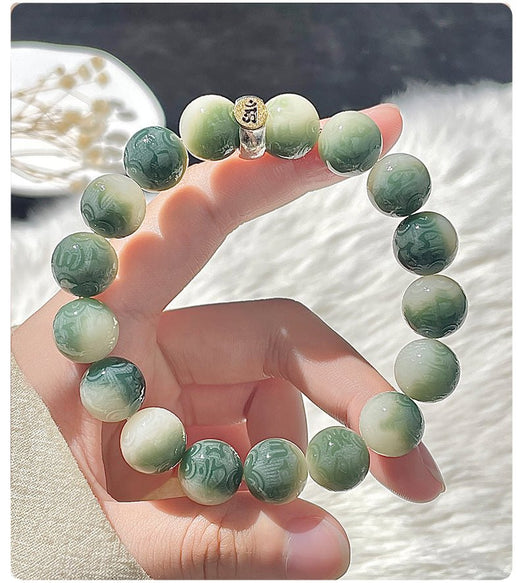
By engaging with your pendant in these ways, you transform it from a passive object into an active partner in your spiritual growth. The presence of compassion and protection from your pendant can be further amplified by wearing complementary items, like blessed Tibetan bracelets, creating a complete circle of spiritual support around you.
The Tangible Benefits: A Shield for Your Spirit and a Magnet for Blessings
Unlike ordinary accessories, monk-blessed Thangka pendants are protective amulets designed for profound spiritual and life transformation. Wearing one consistently can bring about noticeable shifts in your well-being and circumstances.
- Spiritual Protection: In a world filled with stressful influences and unseen challenges, a consecrated pendant acts as a spiritual shield. Deities like Mahakala and Green Tara are renowned for their ability to create a protective field around you, deflecting negativity, warding off misfortune, and dispelling harmful influences from your environment. This creates a sense of safety and stability, allowing you to navigate life with greater peace of mind.
- Attraction of Abundance and Success: Certain deities are specifically associated with attracting auspicious circumstances. The Five Wealth Gods, for example, are invoked to remove financial obstacles and draw opportunities for prosperity. Green Tara is known for bringing success to new endeavors. By aligning your focus with these enlightened beings, you open yourself to the flow of abundance, luck, and good fortune in all areas of your life.
- Healing and Well-being: The compassionate presence of deities like Avalokiteshvara or White Tara (who is associated with longevity) can have a profound healing effect on both body and mind. Their presence can help soothe emotional turmoil, reduce anxiety, and foster a state of inner peace. This connection promotes emotional healing and supports your overall health and vitality.
- Deepening Spiritual Connection: Above all, a Thangka pendant serves as a constant, tangible link to your spiritual path. It is a reminder of the enlightened qualities that exist within you. It inspires you to be more compassionate, wiser, and more courageous. It deepens your meditation practice and keeps your highest aspirations at the forefront of your mind.
By choosing to wear a Thangka pendant, you are embracing an ancient lineage of wisdom and artistry. You are inviting a powerful, benevolent force to walk with you, protect you, and guide you toward your highest potential.
Explore our complete collection to find the sacred ally that speaks to your soul and begin your journey with this wearable blessing today.
Frequently Asked Questions (FAQ)
Can I wear a Thangka pendant if I am not a Buddhist?
Absolutely. While Thangka pendants have deep roots in Tibetan Buddhism, the qualities they represent—such as compassion, wisdom, and protection—are universal. You do not need to be a Buddhist to connect with these qualities. We encourage you to wear your pendant with an attitude of respect and mindfulness, honoring the sacred tradition it comes from.
It can serve as a powerful personal reminder of the virtues you wish to cultivate in your life, regardless of your spiritual path.
How do I choose the right deity for my Thangka pendant?
Choosing a deity is a very personal and intuitive process. Start by reading about the different figures and their meanings. Ask yourself what you are seeking in your life right now. Are you in need of protection (Mahakala), compassion and healing (Avalokiteshvara), swift action to overcome obstacles (Green Tara), or profound wisdom (Manjushri)?
Often, you will feel a natural pull or resonance with a particular deity. Trust that feeling; it is your intuition guiding you to the presence you need most.
What does it mean for a pendant to be 'blessed by a monk'?
A blessing, or consecration (known as 'rabné' in Tibetan), is a sacred ritual that transforms the pendant from a beautiful object into a spiritually charged talisman. During the ceremony, a high-ranking monk or lama performs specific chants, prayers, and visualizations.
They invoke the spirit of the deity depicted, asking them to inhabit the image and infuse it with their divine presence and blessings. This process 'awakens' the pendant, making it a living vessel of spiritual power and protection for the wearer.
How should I care for my Thangka pendant?
Treat your Thangka pendant as a sacred object. To care for it, avoid exposing it to water, harsh chemicals, or extreme temperatures. You can gently wipe the frame and protective casing with a soft, dry cloth.
When you are not wearing it, consider placing it in a special pouch or on a small altar. Most importantly, care for it with intention. Holding it with reverence and mindfulness will maintain its spiritual integrity and strengthen your connection to its presence.
What is the difference between a hand-painted and a printed Thangka pendant?
A hand-painted Thangka pendant is a miniature work of art, created with meticulous detail by a skilled artist who has trained for years in this sacred tradition. The process itself is a form of meditation, and the artist's focused intention is infused into the piece.
A printed pendant is a machine-made reproduction. While it can still be a beautiful image, it lacks the unique spiritual presence and artistic lineage of a hand-painted original. All Thangka pendants from Buddhabelief are authentically hand-painted to ensure they carry the true essence of this ancient practice.
Keep reading