God's Rites
The Medicine Buddha Mandala: A Blueprint for Healing
You feel it in your bones, a persistent unease that sleep doesn't touch and distractions can't soothe. It might manifest as a physical ailment, a chronic ache that doctors struggle to name. Or perhaps it's a mental fog, a persistent anxiety that colors your days in shades of grey. You've tried everything the modern world offers—diets, apps, therapies, medications—and while some things provide temporary relief, the root of the dis-ease remains. You sense there is a deeper layer to healing, one that addresses not just the symptoms in your body or mind, but the very source of suffering itself. This quiet yearning for a more profound sense of wellness, for a framework that can hold both your pain and your potential for wholeness, is a sacred call. It’s a sign that you are ready to look beyond the surface and engage with a tool designed not just to comfort, but to fundamentally transform your relationship with your own health: the Medicine Buddha Mandala.

What It Really Is: An Ancient Blueprint for Ultimate Health
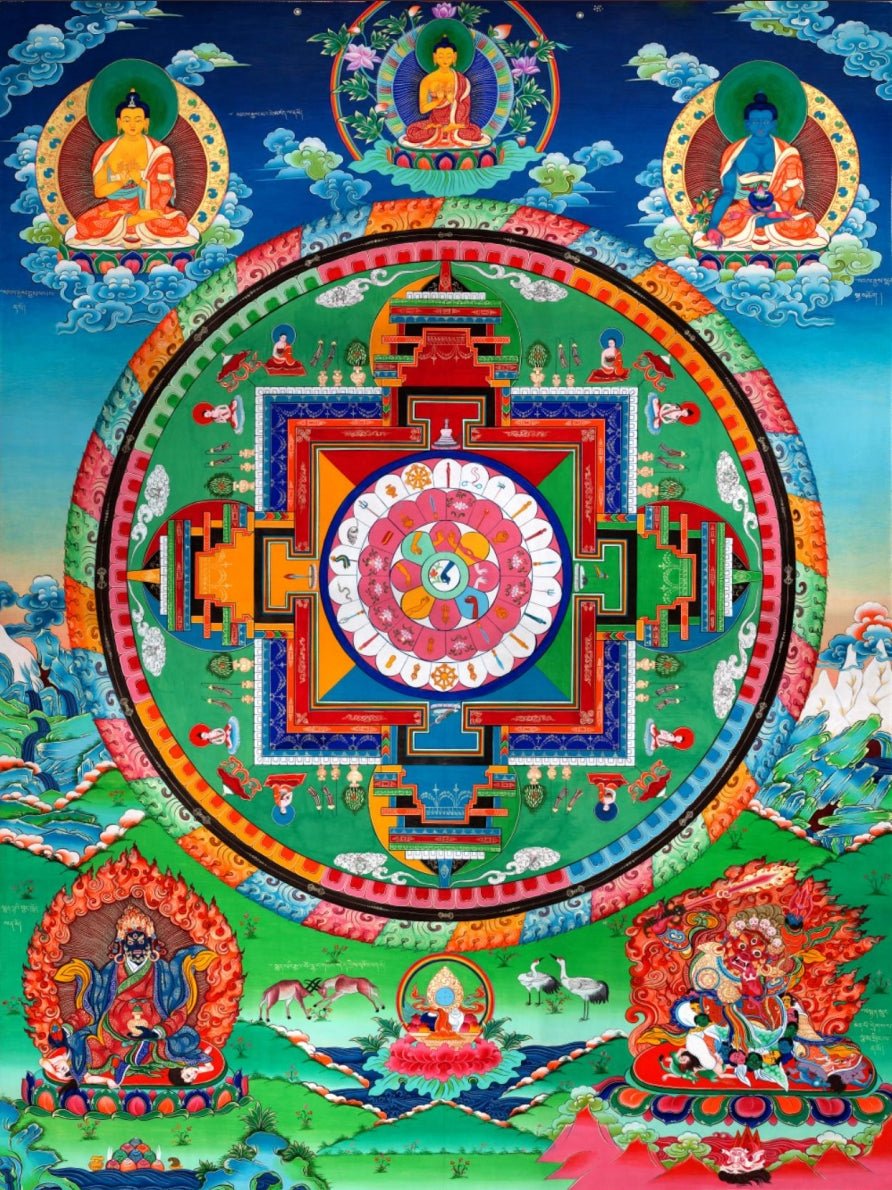
The Medicine Buddha Mandala is not merely a beautiful piece of Buddhist art; it is a sacred diagram, a celestial palace, and a precise map for inner transformation. To understand its power, you must look to its origins, which are rooted in both scripture and the rich soil of Tibetan medical and spiritual history. Its primary source is the revered Bhaiṣajyaguru-vaiḍūrya-prabhā-rāja Sūtra, or the "Sutra of the Medicine Buddha," where Shakyamuni Buddha describes a pure land to the east called Vaidūryanirbhāsa, or "Pure Lapis Lazuli." This is the realm of Bhaisajyaguru, the Medicine Buddha, who made twelve great vows upon attaining enlightenment. These vows were not for his own benefit, but for the benefit of all sentient beings, promising to eradicate illness, suffering, and spiritual darkness.
When these teachings traveled from India to Tibet in the 8th century, carried by masters like Shantarakshita and Padmasambhava during the construction of the Samye Monastery, they found fertile ground. They merged seamlessly with Tibet's indigenous healing traditions, creating the sophisticated system known as Sowa Rigpa, or the "Science of Healing." The Medicine Buddha became the patron deity of this entire system. The mandala, therefore, is not just a representation of a distant paradise; it became the central visualization tool for Tibetan physicians and yogis. It was understood as the perfected expression of the mind of a healer. Masters at institutions like the Men-Tsee-Khang in Lhasa, the premiere institute of Tibetan medicine founded in 1916, would spend years meditating upon this very structure, internalizing its principles to diagnose and treat the root causes of illness—the three poisons of ignorance, attachment, and aversion.
The creation of a traditional mandala, or thangka, is itself a profound spiritual practice. The artist, often a trained monk or a dedicated lay practitioner from a specific lineage, doesn't simply paint. They undergo purification rituals, recite mantras, and hold a state of deep meditative concentration throughout the process. Every line, every color mixed from ground minerals like lapis lazuli for blue and cinnabar for red, is infused with intention. The geometry is precise, governed by ancient iconographic rules that ensure the mandala is a perfect conduit for the enlightened energy it represents. When you encounter an authentic Medicine Buddha Mandala, you are not just seeing a picture. You are witnessing the culmination of centuries of devotion, a sacred technology designed to transmit the blessings of healing directly to your consciousness.
The Deeper Meaning: Unpacking the Sacred Symbols
To engage with the Medicine Buddha Mandala is to embark on a visual pilgrimage, moving from the outer layers of protection to the very heart of enlightened wisdom. Every element you see is a symbol, a piece of a complex language that speaks directly to the subconscious mind. Your journey begins at the outermost ring, often a circle of fire. This isn't a wall to keep you out; it's a ring of wisdom fire that burns away impurities, obscurations, and distractions, purifying your mind as you approach the sacred space within. Moving inward, you may see a ring of vajras (diamond-scepters), symbolizing the indestructible and immutable nature of the enlightened mind. Then comes a circle of eight charnel grounds, a potent reminder of impermanence and the need to transcend attachment to this fleeting life.
At the center of these protective circles lies the celestial palace, the vimana. This is a perfect square, perfectly oriented to the four cardinal directions. The structure itself represents the perfected state of the universe and the mind. Its walls are layered in five colors, corresponding to the five elements and the five wisdoms of the Buddha families: white (water/mirror-like wisdom), yellow (earth/wisdom of equality), red (fire/discriminating wisdom), green (air/all-accomplishing wisdom), and blue (space/dharmadhatu wisdom). You'll notice four ornate gates, one at each cardinal point. These are not merely entrances; they are gateways to liberation, guarded by protective deities to ensure that only those with pure intention may enter. The entire palace is a three-dimensional blueprint of enlightenment, a divine architecture that you are invited to enter and inhabit through your meditation.
At the absolute heart of the palace sits the primary deity, Bhaisajyaguru, the Medicine Buddha. His body is the deep, radiant blue of lapis lazuli, a color that symbolizes healing and purity and has the power to absorb and transmute sickness and pain. In his right hand, held in the gesture of supreme generosity, he holds a stem of the myrobalan plant (arura), considered the king of all medicines in the Tibetan tradition, capable of curing diseases arising from the three poisons. His left hand rests in his lap in the gesture of meditation, holding an alms bowl filled with medicinal nectar. He is not a god to be worshipped for a magical cure; he is the embodiment of your own innate healing potential, the perfected state of a mind free from the afflictions that cause suffering. Surrounding him in his retinue are the seven other Medicine Buddhas, along with key bodhisattvas like Suryaprabha (Sunlight) and Candraprabha (Moonlight), each representing different facets of the healing path. By meditating on this complete assembly, you attune your own consciousness to this network of compassionate, calming presence, which is why exploring our entire collection of sacred art and jewelry can help you find the representation that speaks most directly to your needs.
Real Benefits for Modern Life: A Tool for Inner Resilience
While rooted in ancient tradition, the Medicine Buddha Mandala offers profound and practical benefits for the challenges you face today. Its power lies in its ability to work on the subtle, energetic, and psychological levels, addressing the true origins of your dis-ease. It is not a replacement for medical care, but a powerful complement that can transform your experience of health and illness.
One of the most immediate benefits is its function as a focal point for calming the mind. When you are caught in a cycle of anxiety, chronic pain, or overwhelming stress, your mind tends to fixate on the discomfort, amplifying it. Placing a mandala in your space and spending even five minutes observing its perfect symmetry and harmonious colors can break this cycle. The intricate details demand your full attention, gently pulling your awareness away from ruminating thoughts and physical sensations. This process activates the parasympathetic nervous system, reducing cortisol levels and promoting a state of deep relaxation. It’s a direct method for shifting from a state of reactive suffering to one of mindful presence.
On a deeper level, meditating on the mandala helps you reframe your relationship with illness. Tibetan medicine teaches that all sickness arises from the three mental poisons: ignorance (misunderstanding the nature of reality), attachment (craving), and aversion (hatred or anger). The Medicine Buddha and his retinue symbolize the antidotes to these poisons. As you visualize yourself entering the mandala and receiving the blessings of the blue nectar, you are engaging in a powerful psychological exercise. You are planting seeds in your consciousness for compassion to counteract aversion, for generosity to counteract attachment, and for wisdom to counteract ignorance. This doesn't mean a physical symptom will vanish overnight. It means the mental suffering—the fear, frustration, and despair that often accompany illness—begins to dissolve. You cultivate an inner resilience that allows you to meet your health challenges with clarity and courage rather than resistance. Carrying a tangible connection to this practice, through a powerful reminder like our guardian Buddha pendants, can extend this sense of resilience into your daily activities.
Furthermore, the mandala practice is a potent method for cultivating compassion. The Medicine Buddha’s vows were made for all beings. When you engage in the practice, you are encouraged to extend the healing intentions not just to yourself, but to your family, your community, and all who are suffering. This act of expanding your focus beyond your own pain is profoundly healing. It alleviates the sense of isolation that often comes with illness and connects you to a vast web of shared humanity. This cultivation of bodhicitta, the compassionate wish to attain enlightenment for the benefit of others, is considered the ultimate medicine in the Tibetan tradition.

How to Choose an Authentic Mandala: A Guide for the Dedicated Practitioner
When you decide to bring a Medicine Buddha Mandala into your life, you are choosing more than a piece of decoration; you are acquiring a spiritual tool. The authenticity and quality of the mandala directly impact its energetic potency and its effectiveness as a support for your practice. Making an informed choice is an act of respect for the tradition and for your own spiritual journey.
First, pay close attention to the iconography and proportions. An authentic thangka follows a strict geometric grid, known as thigse, that dictates the exact proportions of the deities, the palace, and all symbolic elements. The Medicine Buddha should have the correct posture, hand gestures (mudras), and attributes. His face should evoke a sense of deep peace and compassion, not a generic or stylized expression. The details of the surrounding deities and the palace architecture should be clear and precise. Deviations from these traditional iconographic standards can indicate a piece made for the tourist market rather than for genuine practice. It suggests the artist may lack the deep training and understanding required to imbue the work with its intended spiritual power.
Next, consider the materials and the artist's intention. Traditional thangkas are painted on cotton or silk canvas, treated with a mixture of chalk and animal glue. The paints are made from ground mineral pigments—lapis for blue, malachite for green, cinnabar for red, gold for accents. These natural materials are believed to hold and transmit energy in a way that synthetic paints cannot. More important than the materials, however, is the artist's state of mind. A true thangka painter is a practitioner. They create the piece in a meditative state, reciting mantras and dedicating the merit of their work. This infusion of spiritual intention is the invisible quality that transforms a painting into a sacred object. When you are looking for a mandala, inquire about the artist or the school they come from. Is it a recognized lineage? Do they speak of their work as a spiritual practice? This intentionality is what sets a consecrated tool apart from a simple reproduction. When you can't acquire a full thangka, choosing a personal emblem of this calming presence, crafted with similar reverence, can be a potent alternative for daily connection.
Finally, distinguish between a hand-painted thangka and a print. While high-quality prints can be beautiful and serve as a helpful visual aid, they do not carry the same energetic imprint as a hand-painted piece. The painstaking process of a painter applying millions of individual brushstrokes over weeks or months is a transmission of devotion and concentrated energy. If your goal is to have a central object for deep meditation and visualization, investing in a genuine, hand-painted thangka is worth the consideration. It becomes a true spiritual companion, its blessings deepening as your own practice does.
How to Use the Mandala in Your Practice: A Step-by-Step Approach
Having a Medicine Buddha Mandala in your home is the first step. Actively engaging with it is how you unlock its transformative power. This is a practice of visualization, a way of training your mind to inhabit a reality of perfect health and enlightenment. You don't need to be an expert meditator to begin.
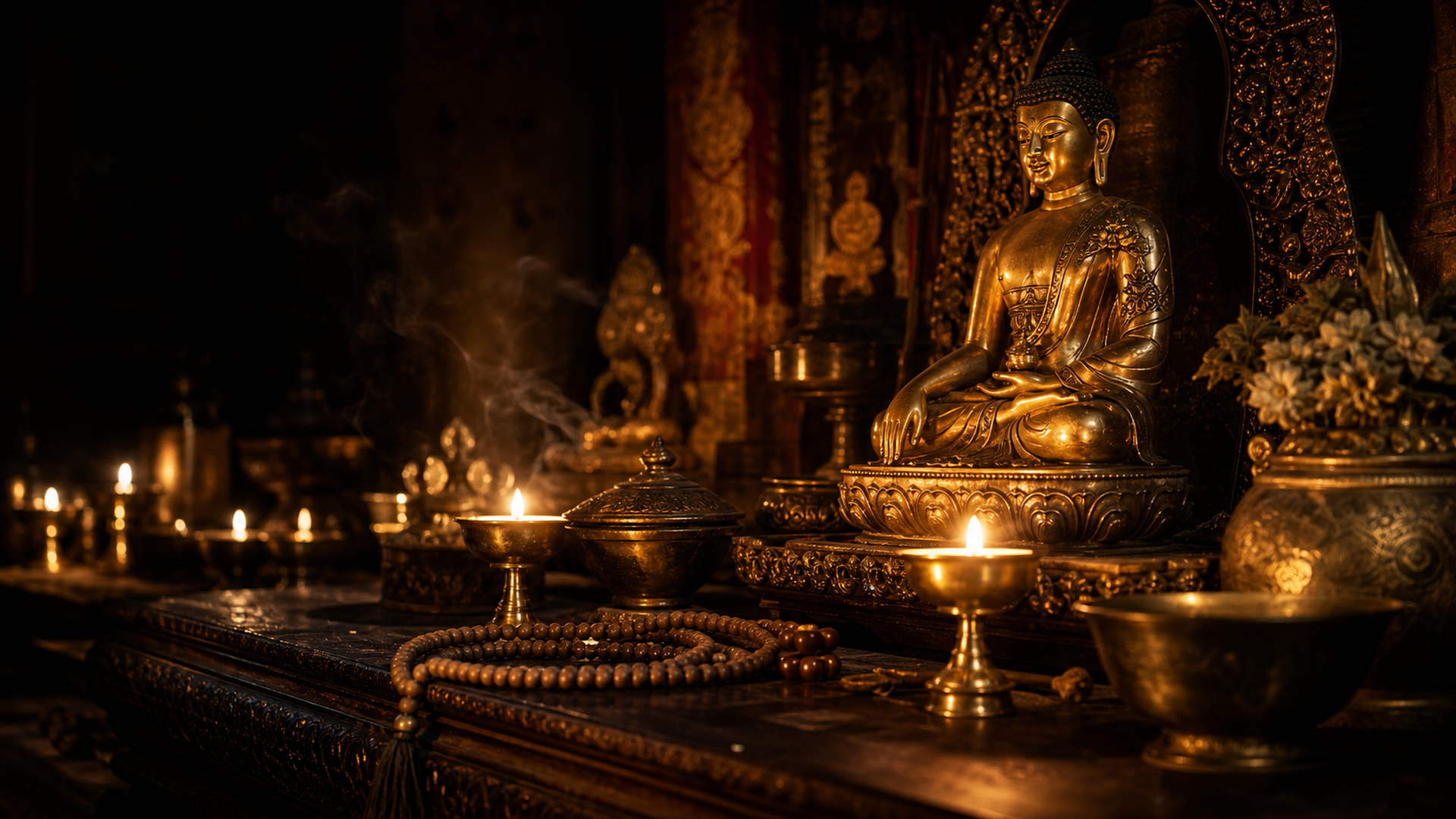
Step 1: Set Your Space and Intention. Find a quiet, clean space where you won't be disturbed. You can place your mandala on a wall in front of you or on a small altar. Light a candle or some incense if you wish, as these simple acts signal to your mind that you are entering a sacred time. Sit comfortably, with your spine straight but not rigid. Close your eyes and take a few deep breaths. Begin by setting your intention. Generate a feeling of deep compassion, first for yourself and your own suffering, and then expand it outwards to include all beings who are experiencing physical or mental pain. This motivation, known as bodhicitta, is the fuel for the entire practice.
Step 2: The Visual Journey. Gently open your eyes and let your gaze rest on the mandala. Don't try to analyze it. Simply allow the colors and shapes to enter your awareness. Begin your visual journey from the outside in. Gaze at the outer rings of fire and vajras, imagining them purifying your mind of all distractions and negativity. Then, move your focus to the four gates of the celestial palace. Imagine choosing one and respectfully entering the sacred space within. See the vibrant, luminous walls and the perfect symmetry of the divine abode. Finally, bring your attention to the central figure of the Medicine Buddha.
Step 3: Connect with the Deity and Recite the Mantra.
Focus on the radiant blue form of Bhaisajyaguru. See him not as a distant statue, but as a living, breathing embodiment of calming presence. Observe his compassionate gaze. From his heart, imagine brilliant blue light radiating outwards. This light fills the entire mandala palace and then flows out from the mandala into your own body. As it touches you, visualize it purifying all physical illness, pain, and disease. See it dissolving all mental afflictions—anxiety, fear, anger, and confusion. While holding this visualization, begin to recite the Medicine Buddha's mantra:
TADYATHA OM BHEKHANDZYE BHEKHANDZYE MAHA BHEKHANDZYE RADZA SAMUDGATE SOHA
Chant it aloud or silently, with focused intention, for as long as you feel comfortable—a few minutes, or a full mala of 108 repetitions.
Step 4: Dissolution and Dedication. After you finish reciting the mantra, allow the visualization to dissolve. Imagine the entire mandala and the form of the Medicine Buddha melting into blue light. This light then dissolves into you, merging completely with your own mind. Rest in this state of spacious, luminous awareness for a few moments. Conclude your practice by dedicating the merit. Make a heartfelt wish that any positivity generated from your practice may benefit all sentient beings, bringing them health, happiness, and ultimate liberation from suffering.
Common Questions About the Medicine Buddha Mandala
As you begin to explore this profound practice, questions will naturally arise. Here are answers to some of the most common inquiries, designed to bring clarity and confidence to your journey.
1. Do I need to be a Buddhist to use a Medicine Buddha Mandala?
No, you do not need to identify as a Buddhist. The principles of healing embodied by the mandala—compassion, wisdom, and the purification of negative mental states—are universal. The mandala is a tool that works with the fundamental structure of the human mind. Anyone, from any background, who approaches the practice with a sincere intention to cultivate inner peace and healing for themselves and others can benefit. Think of it as a form of sacred psychology or a contemplative technology, rather than an object that requires religious conversion.
2. What is the real difference between a hand-painted thangka and a printed mandala?
The primary difference lies in intention and energetic transmission. A hand-painted thangka is a sacred object created over weeks or months by a trained practitioner in a state of meditation. Every brushstroke is infused with mantra and prayer. This process, according to the tradition, consecrates the thangka, making it a powerful conduit for the deity's blessings. A print, while an excellent and accessible support for visualization, is a mechanical reproduction. It lacks this direct human transmission of spiritual presence. For deep and dedicated practice, a thangka is the traditional choice; for learning and daily inspiration, a high-quality print can be very effective.
3. How should I display the mandala in my home respectfully?
A mandala is considered a representation of enlightenment, so it should be treated with respect. Display it in a clean, high place, such as on a wall in your meditation space, living room, or study. Avoid placing it on the floor, in a bathroom, or in a location where it might be treated carelessly. Traditionally, you would not place mundane objects above it. If you create an altar, the mandala can be the central focus. The key is your own intention. When you treat the mandala with reverence, you are cultivating an attitude of reverence for your own potential for awakening.
4. Can the mandala practice actually heal my physical illnesses?
This is a crucial and nuanced question. The mandala is not a substitute for professional medical care. Its primary function is to heal the mind, which is seen in Tibetan Buddhism as the root of all suffering, including physical illness. The practice can dramatically reduce the stress, anxiety, and fear that accompany sickness, which can, in turn, have a positive effect on the body's ability to heal. It can help you find meaning in your experience and cultivate a profound sense of inner peace, even in the face of a difficult diagnosis. Some practitioners report spontaneous physical healing, but this should be seen as a possible byproduct of deep spiritual purification, not the guaranteed outcome. The ultimate healing it offers is liberation from the mental poisons.
5. What is the specific significance of the lapis lazuli blue color?
The deep, radiant blue of the Medicine Buddha is profoundly symbolic. In ancient times, lapis lazuli was a rare and precious stone, valued for its beauty and perceived healing properties. In the Buddhist context, this color represents the primordial, spacious nature of the mind—pure, clear, and vast like the sky. It also has the quality of absorbing all other colors, symbolizing the Medicine Buddha's power to absorb and transmute all sickness, pain, and negative karma. When you visualize this blue light, you are connecting with this quality of ultimate purity and the boundless healing potential of your own true nature.
6. Is it okay to wear a Medicine Buddha symbol as jewelry?
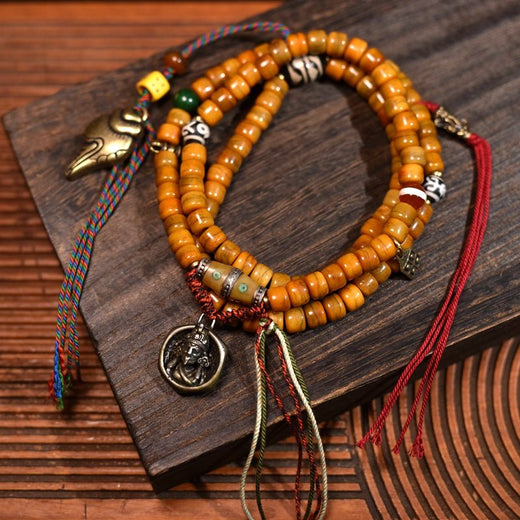
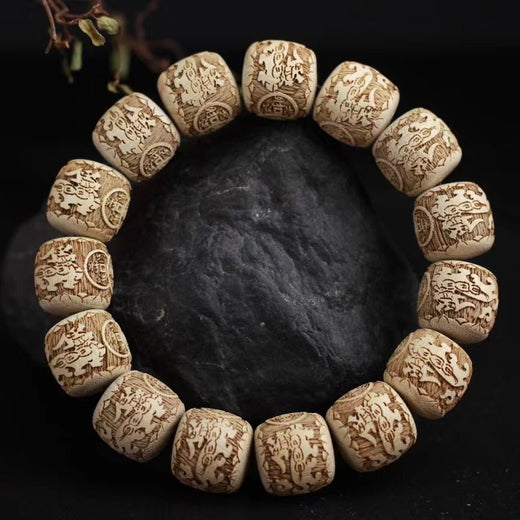
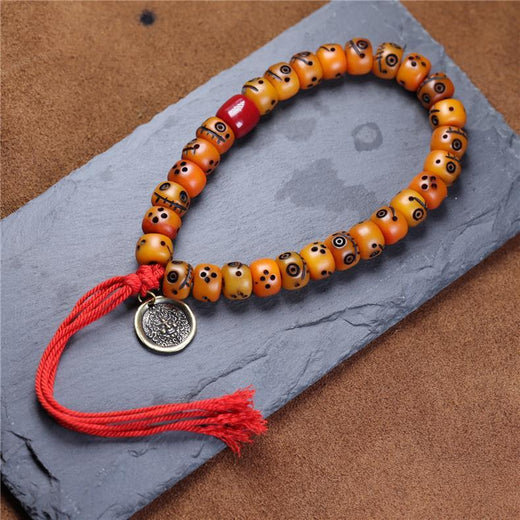
Absolutely. Wearing a symbol of the Medicine Buddha, such as a pendant or amulet, is a traditional and powerful way to keep the blessings of healing with you throughout the day. It serves as a constant, subtle reminder of your intention to cultivate health and compassion. It can be a source of comfort during difficult times and a focal point for a momentary prayer or mantra recitation. When choosing such a piece, the same principles of authenticity and intention apply. A piece crafted with care and respect becomes more than an ornament; it becomes a personal talisman. For many, wearing a consecrated Medicine Buddha pendant is a way to internalize the mandala's protection and carry its calming presence wherever they go.
Your Next Step on the Path to Wholeness
You have now journeyed through the history, symbolism, and practice of the Medicine Buddha Mandala. You understand that it is far more than a beautiful image; it is a blueprint for the most profound healing imaginable—the healing of the mind itself. This knowledge is not meant to remain theoretical. It is an invitation to begin your own practice, to take a conscious step toward transforming your relationship with your own well-being.
Whether you start with a simple print to aid your focus, or you feel called to bring the sacred presence of a personal emblem into your daily life, the journey begins with a single, intentional step. The path of healing is your own, but you do not have to walk it without guidance or support. These sacred tools have been preserved for centuries for a reason: they work. They are here for you, now. We invite you to explore our collection of guardian Buddha pendants and find the piece that will serve as your companion on this sacred journey to wholeness.
Keep reading