
God's Rites
Who Is Green Tara? 6 Core Meanings + Benefits of Wearin
You feel it in your chest—a knot of apprehension. A crucial decision hangs in the balance, a project has stalled, or a loved one is struggling, and you feel powerless. In these moments of paralysis, when the path forward is obscured by doubt or fear, the mind often seeks a powerful, immediate source of support. It’s not a vague hope you’re looking for, but a catalyst for real change, a surge of energy to break the inertia. This is the precise space where the presence of Green Tara emerges. She is not a deity of placid meditation for some distant future; she is the embodiment of enlightened action, the swift and fearless compassion that leaps into motion. Her name is whispered not just in monasteries, but by anyone, anywhere, who needs to cut through obstacles and move forward with courage. She represents the profound truth that your own innate wisdom has the power to act, right now.

What It Really Is: The Authentic Origins of a Female Buddha
To truly understand Green Tara, you must journey back in time, not to a mythic fable, but to the very heart of Buddhist history in India and Tibet. Her story is not one of creation from nothing, but an emanation of pure compassion. The most profound origin narrative begins with Avalokiteshvara (in Tibetan, Chenrezig), the Bodhisattva who embodies the compassion of all Buddhas. Overwhelmed by the endless suffering of beings in samsara, he wept. From the tear that fell from his right eye, White Tara was born. From the tear that fell from his left eye, the vibrant and dynamic Green Tara sprang forth, immediately pledging, "Son of your lineage! Do not be distressed. I shall be your companion in your work to benefit sentient beings." She was born ready for action.
This links her essence directly to Avalokiteshvara's compassionate activity, making her his active counterpart. While he represents the overarching compassionate vow, she is the one who puts that vow into immediate practice. Her name, Tara, in Sanskrit means "Star," guiding travelers across the ocean of suffering. Her Tibetan name, Drolma (སྒྲོལ་མ), is even more direct: "She Who Liberates" or "She Who Saves."
Her historical roots deepened with the arrival of Buddhism in Tibet during the 7th century. King Songtsen Gampo, the first great Dharma King of Tibet, took two devout Buddhist wives who were instrumental in establishing the faith. His Nepalese wife, Princess Bhrikuti, was considered a direct emanation of Green Tara. She brought with her to Lhasa a sacred statue of Tara, among other priceless artifacts, embedding Tara's presence into the very foundation of Tibetan Buddhism. His Chinese wife, Princess Wencheng, was considered an emanation of White Tara. This historical account solidifies Tara not as a distant figure, but as a living force interwoven with Tibet's identity.
The practice and reverence for Tara were later championed by the legendary Indian master Atiśa Dīpaṃkara Śrījñāna (982–1054 CE). Before he made his pivotal journey to Tibet from the great monastic university of Vikramashila in India, Atiśa was a devoted practitioner of Tara. He relied on her guidance for every major decision, including his arduous trip across the Himalayas to help revive the Buddhist teachings. He taught that for the degenerate age we live in, where obstacles are many and our focus is weak, Tara's practice is uniquely powerful and swift. It was through masters like Atiśa that the Tara tantras and sadhanas (spiritual practices) were firmly established in all schools of Tibetan Buddhism, where they remain a cornerstone of daily practice to this day. When you connect with Green Tara, you are not just invoking an idea; you are tapping into an unbroken lineage of practice stretching back over a millennium.
The Deeper Meaning: Decoding Green Tara's Sacred Iconography
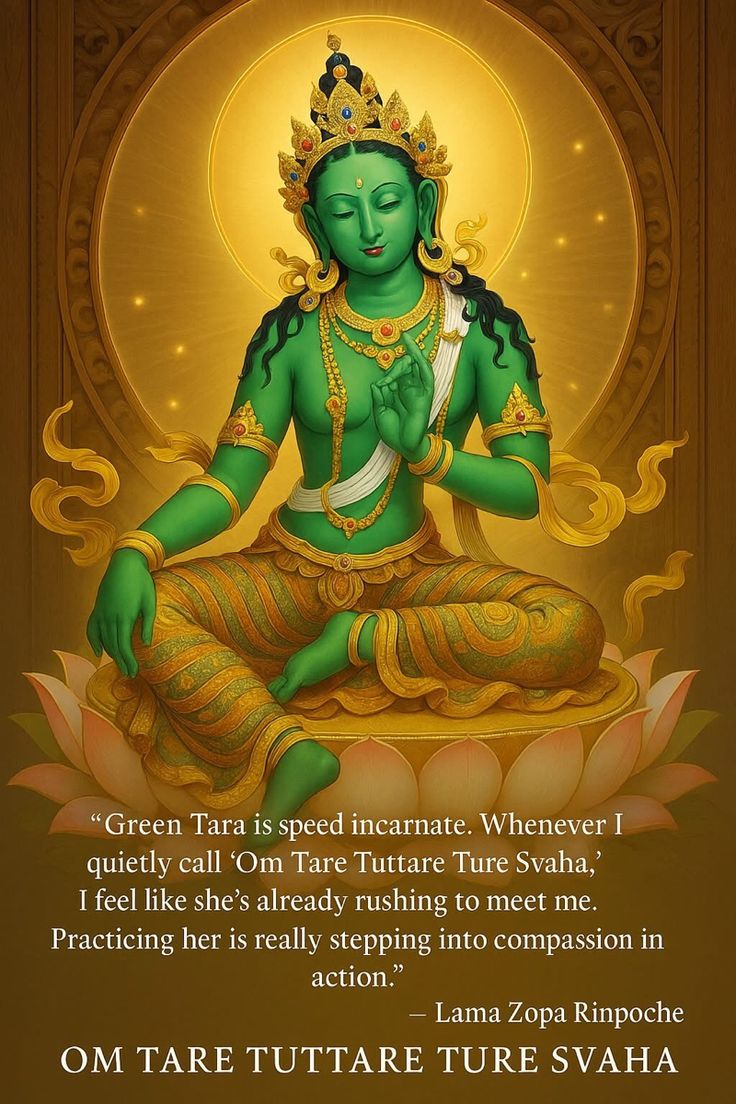
Every detail of Green Tara's form is a profound teaching, a visual map to enlightenment that you can access just by looking at her image. Her iconography is not arbitrary decoration; it is a precise language of spiritual truth, revealing her function and the qualities you can cultivate within yourself. By understanding this symbolism, your connection to her—whether through a pendant, statue, or thangka—transforms from passive admiration into an active dialogue.
Her most striking feature is her color: a vibrant, rich emerald green. This is not merely an artistic choice. In Tibetan elemental symbolism, green is the color of the wind element (rlung). Wind signifies movement, responsiveness, and swift, unhindered activity. It is the energy that gets things done. Her green color, therefore, represents her ability to spring into action instantaneously to aid those who call upon her. It is the color of enlightened, compassionate activity in its most vigorous and immediate form, capable of overcoming any obstacle without a moment's delay.
Observe her posture, known as lalitasana, a position of royal ease yet complete readiness. Her left leg is folded in the contemplative position, symbolizing her mastery of inner wisdom and her realization of ultimate reality, the unshakable peace of nirvana. However, her right foot is extended, stepping down from her lotus throne. This is the crucial detail. It signifies her perpetual readiness to enter the world of suffering, to step down into your life and offer tangible aid. She is not remote or aloof. She perfectly balances profound meditation with compassionate, worldly engagement. This posture tells you that true enlightenment is not a withdrawal from the world, but a full and fearless participation in it for the benefit of others.
Her hands form symbolic gestures called mudras. Her left hand, held at her heart, is in the mudra of granting refuge and protection (a variation of the abhaya mudra). Her thumb and ring finger touch, symbolizing the union of wisdom and compassion, while the other three fingers are raised, representing the Three Jewels of refuge: the Buddha, the Dharma (teachings), and the Sangha (spiritual community). From this hand springs the stem of a blue utpala flower, a night-blooming lotus. This flower, which releases its fragrance as dusk falls, symbolizes the purity of her enlightened mind and her ability to bring relief even in the darkest of times. Often she is depicted with one utpala in bud (representing future Buddhas), one in full bloom (present Buddhas), and one that has gone to seed (past Buddhas), signifying that she is the mother, the very essence, of the enlightened activity of all Buddhas throughout time.
Her right hand rests on her right knee, palm open, in the boon-granting varada mudra. This is the gesture of supreme generosity, showing her ability to bestow blessings, both spiritual (like wisdom and fearlessness) and worldly (like health and prosperity). It is an open invitation, a promise that she will grant all sincere wishes that are in alignment with the path of compassion. Combined, her two mudras convey a powerful message: she offers you ultimate protection while generously providing everything you need to progress on your spiritual journey.
Real Benefits for Modern Life: Beyond Ancient Symbolism
While Green Tara's origins are ancient, her power is intensely relevant to the specific challenges you face today. Her practice is not about escaping modern life, but about navigating it with greater skill, courage, and compassion. Connecting with her energy can bring about tangible shifts in your daily experience, transforming your internal landscape and, consequently, your external world.
One of her most immediate benefits is overcoming procrastination and mental paralysis. You know the feeling: you are faced with a complex task, a difficult conversation, or a necessary life change, and you feel completely stuck. This inertia is a modern manifestation of the inner obstacle of sloth and torpor. Green Tara's vibrant green energy, associated with the wind element, is the direct antidote. By reciting her mantra, OM TARE TUTTARE TURE SOHA, or simply holding her image in your mind, you invoke the energy of swift, decisive action. This practice helps you cut through the fog of indecision and take the first, crucial step. It is a powerful tool for entrepreneurs, artists, students, and anyone who needs to translate intention into accomplishment.
Green Tara is famously known as the "Liberator from the Eight Great Fears." In ancient times, these were literal fears: lions, elephants, fire, snakes, imprisonment, floods, robbers, and demons. In your life, these fears take on psychological forms. The fear of lions becomes pride and arrogance. The fear of elephants is ignorance and delusion. Fire is the consuming blaze of anger. Snakes represent deep-seated jealousy. Imprisonment is greed and avarice. Floods are the overwhelming currents of attachment and desire. Robbers are wrong views that steal your potential for enlightenment. Demons are the nagging doubts that cripple your progress. When you feel overwhelmed by anxiety, social pressure, or self-doubt, calling on Green Tara provides a profound sense of protection. Her practice helps you recognize these "fears" as mental states and gives you the strength to overcome them, fostering an inner sanctuary of fearlessness.
Furthermore, her energy fosters a powerful sense of resourcefulness and removes obstacles to success. She is often invoked for the swift accomplishment of goals, whether in business, relationships, or personal healing. This is not a magical wish-granting service; rather, her practice helps clear the internal and external hindrances that prevent your natural abilities from flourishing. When you align your intentions with compassion and the benefit of others, her energy acts as a catalyst, smoothing the path and bringing favorable conditions. This makes her an invaluable ally when you are launching a new venture, seeking a job, or trying to heal a difficult family dynamic. By connecting with Green Tara, you are activating your own innate capacity to solve problems with wisdom and speed.

How to Choose an Authentic Representation of Tara
When you decide to bring an image of Green Tara into your life, whether as a piece of jewelry, a statue for your altar, or a thangka painting, you are choosing more than an object. You are choosing a focal point for your practice and a constant reminder of your own highest potential. The authenticity of the piece, therefore, matters immensely, as it affects the depth of your connection. Authenticity is not about price; it is about intention, craftsmanship, and respect for the tradition.
First, consider the materials. In Tibetan tradition, sacred objects are often crafted from precious materials that symbolize purity and permanence. For jewelry, look for high-quality sterling silver, which represents the moon and the feminine aspect of wisdom, or copper, known for its healing properties. These metals are not only durable but are believed to conduct spiritual presence effectively. Many pieces in **our curated selection of Buddhist artifacts** are crafted from these traditional materials, ensuring they serve as worthy vessels for sacred presence. When choosing statues, traditional materials like copper alloy, often gilded with gold, are common. The gold represents the enlightened body of a Buddha, radiant and untarnished.
Pay close attention to the iconography. An authentic representation of Green Tara will be faithful to the symbolic details passed down through generations. Check her posture: is her right leg extended, ready for action? Are her hand mudras—protection at the heart and generosity at the knee—clearly and correctly rendered? Does she hold the utpala flower? These are not mere artistic flourishes; they are the visual grammar of her enlightened qualities. A piece made with care by an artisan who understands the tradition will honor these crucial details, ensuring the image transmits the correct blessings and meaning.
Finally, trust your own connection. While tradition and craftsmanship are vital, the most authentic piece for you is the one that speaks to your heart. When you look at the image, do you feel a sense of peace, courage, or inspiration? The purpose of the object is to be a support for your practice. Let your intuition guide you to the pendant or statue that feels like a true spiritual friend. When you choose with intention, the object becomes a powerful key, unlocking the door to your own inner Tara—your own capacity for fearless, compassionate action.
How to Use Your Green Tara Image in Daily Practice
Having an authentic Green Tara pendant or statue is the first step. The next is to activate its potential by integrating it into your daily life and practice. This transforms it from a beautiful object into a powerful tool for spiritual transformation. You don't need an elaborate ritual; a simple, consistent practice can create profound shifts in your mindset and energy.
The most direct way to connect with Green Tara is through her mantra: **OM TARE TUTTARE TURE SOHA**. This is more than just a collection of sounds; each syllable carries a specific spiritual presence and meaning.
- OM represents the universal sound, the enlightened body, speech, and mind.
- TARE means "liberating from true suffering," the ordinary dissatisfactions of life.
- TUTTARE means "liberating from the eight great fears," both external and internal.
- TURE means "liberating from disease," or the fundamental ignorance that is the root of all suffering.
- SOHA means "may the blessings of the mantra take root in my heart."
Here is a simple daily practice you can begin today:
- Find a Quiet Space: Begin by sitting comfortably, even for just five minutes. Take a few deep breaths to settle your mind.
- Set Your Intention: Hold your Green Tara pendant or gaze at your statue or thangka. Bring to mind a specific challenge you are facing or a quality you wish to cultivate, like courage or compassion. Dedicate your practice to overcoming this obstacle for the benefit of yourself and all others.
- Visualize: Imagine Green Tara in front of you, seated on a lotus and moon disc. See her body as being made of radiant, emerald-green light. Feel the warmth and loving-kindness emanating from her.
- Recite the Mantra: Begin chanting OM TARE TUTTARE TURE SOHA. You can do this aloud or silently. If you have a mala (prayer beads), you can recite it 21 or 108 times. As you chant, visualize brilliant green light flowing from Tara's heart into your own. This light purifies all your fears, heals your pain, and fills you with her fearless, compassionate energy.
- Dedicate the Merit: At the end of your session, rest for a moment and feel the energy you've cultivated. Then, dedicate the positivity of your practice to the well-being and enlightenment of all beings without exception.
Common Questions About Green Tara
Is Green Tara a Buddha or a Bodhisattva?
She is, in essence, both. Green Tara is a fully enlightened female Buddha, meaning she has achieved the ultimate state of Buddhahood. However, out of her immense compassion, she has chosen to manifest in the form of a Bodhisattva—a being dedicated to liberating all others from suffering. She is often called the "Mother of all Buddhas" because she embodies the perfected wisdom (prajnaparamita) from which all enlightened beings are born. So, while her ultimate nature is that of a Buddha, her appearance and activity are that of a supreme Bodhisattva, ceaselessly working for your benefit and the benefit of all.
What's the difference between Green Tara and White Tara?
Green Tara and White Tara are two distinct aspects of the same compassionate energy, born from the tears of Avalokiteshvara. The key difference lies in their specific function and energy. Green Tara, with her extended leg, represents the active, swift, and accomplishing aspect of compassion. You turn to her for immediate aid, for overcoming obstacles, and for protection from fear. Her energy is dynamic and vigorous. White Tara, typically depicted seated in the full lotus position, represents the maternal, healing, and pacifying aspect of compassion. She is specifically associated with promoting longevity, healing illness, and cultivating serene wisdom. Think of Green Tara as the one who rushes out to save you from a burning building, while White Tara is the one who nurses you back to health afterward. You will find that many **authentic Tibetan treasures for your spiritual journey** depict both of these vital emanations.
Can anyone practice Green Tara or wear her image?
Absolutely. Green Tara's practice is renowned for being accessible to everyone, regardless of their background or level of spiritual experience. Her compassion is universal and unconditional. You do not need a formal Buddhist empowerment (though receiving one from a qualified lama can greatly deepen your practice) to begin reciting her mantra or to benefit from wearing her image. The only prerequisite is a sincere and open heart. Her energy responds to genuine intention, making her a perfect gateway for anyone seeking to connect with the principles of compassion and enlightened action.
How is Green Tara related to Avalokiteshvara (Chenrezig)?
Green Tara's origin is directly and beautifully tied to Avalokiteshvara, the Bodhisattva of Compassion. As the story goes, he looked upon the suffering of the world and wept in sorrow. Green Tara was born from one of his tears to assist him in his monumental task. Therefore, she is not separate from him; she is the manifestation of his enlightened activity. If Avalokiteshvara is the vow of compassion, Green Tara is that vow in action. She is the swift, practical application of his boundless empathy, the one who gets things done. They are like two sides of the same coin: the will to help and the action of helping.
What are the "Eight Great Fears" she protects from?
The Eight Great Fears have both literal and symbolic interpretations, making them relevant in any era. Traditionally, they are protection from: 1) lions (symbolizing pride), 2) wild elephants (ignorance/delusion), 3) fire (anger/hatred), 4) snakes (jealousy), 5) robbers (wrong views/dogma), 6) chains/imprisonment (greed/miserliness), 7) floods (attachment/desire), and 8) demons (doubts). In your modern life, you can see these as protection from the internal poisons of your own mind. When you feel trapped by greed, consumed by anger, or paralyzed by doubt, calling on Tara provides the strength to liberate yourself from these negative mental states.
Do I need to be a Buddhist to benefit from Green Tara?
No, you do not need to identify as a Buddhist to connect with and benefit from Green Tara's energy. You can approach her as a powerful archetype of the sacred feminine, of compassionate and swift action, and of unwavering protection. The qualities she embodies—courage, generosity, fearlessness, and wisdom—are universal human potentials. Using her mantra can be a form of sound meditation, and focusing on her image can be a practice in mindfulness. The benefits of cultivating a calm mind and a compassionate heart are accessible to people of all faiths and backgrounds. Many find that the sacred forms in our **shop for authentic Buddhist jewelry** serve as powerful universal symbols of inner peace and strength.
Your Next Step on the Path of Fearless Action
Connecting with Green Tara is more than learning about an ancient figure; it is an invitation to awaken the same qualities of swift, compassionate action within yourself. Her image is a mirror reflecting your own potential for fearlessness. Her mantra is a key that unlocks the door to your innate wisdom. Whether you are facing a major life obstacle or simply navigating the daily currents of stress and uncertainty, her presence serves as a powerful and immediate ally.
Your journey with her begins not with a grand gesture, but with a single, intentional step. It might be the quiet recitation of her mantra in a moment of need, or it might be choosing a sacred object to serve as a daily anchor for your practice. These are not mere decorations; they are potent tools for transformation. To find a piece that resonates with your personal path and can serve as a constant, beautiful reminder of her protection and power, we invite you to **explore our complete collection of authentic Tibetan Buddhist jewelry and artifacts**.
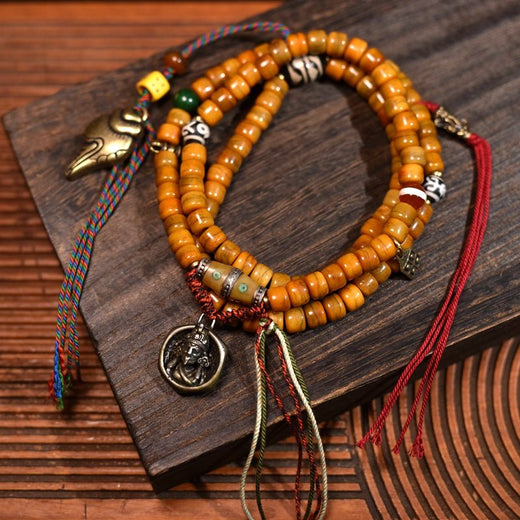
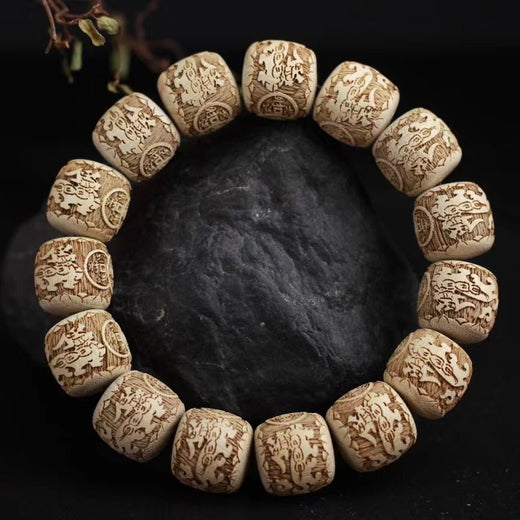
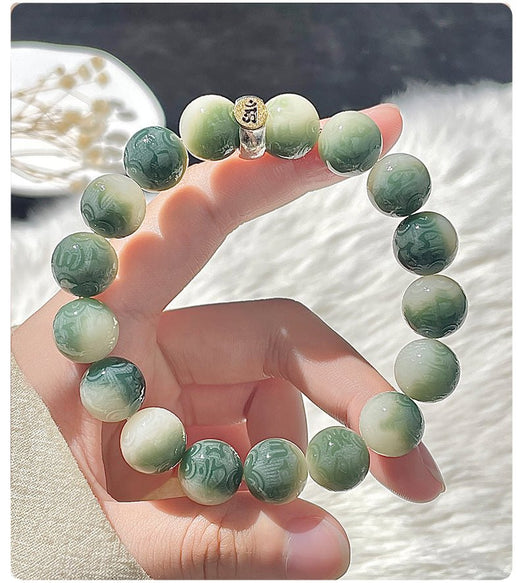
See our hand-painted Tibetan thangka and deity pendants honoring Green Tara and the bodhisattvas.

Keep reading