buddhist-jewelry
Guardian Buddha Jewelry: An Authentic Tibetan Guide
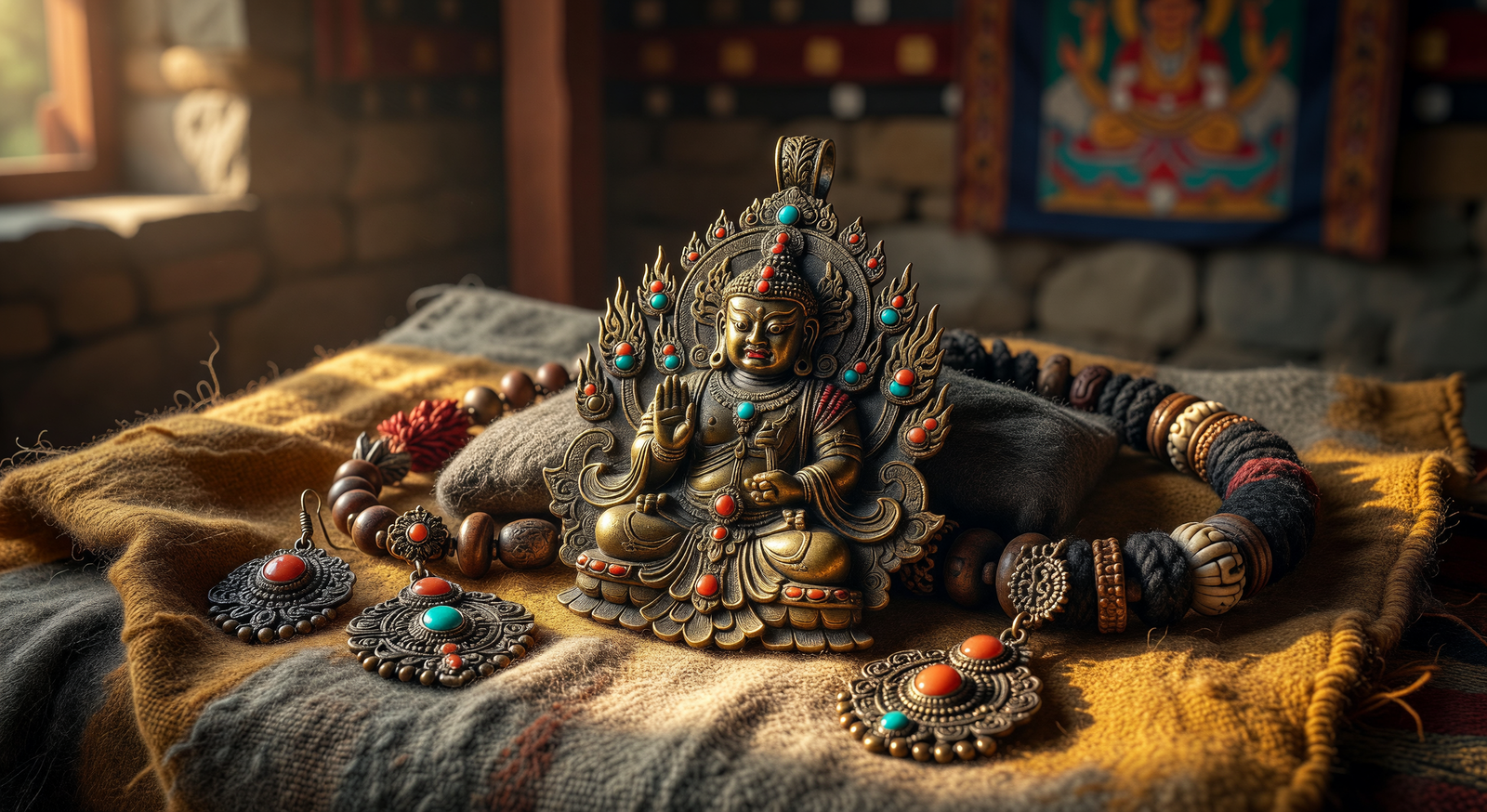
You’re looking for a gift for someone you care about deeply. It’s not about just checking a box for a birthday or a holiday; you want to give something that says, “I see you.
I’m thinking of you.” Maybe your partner is working through a stressful career change, or your best friend is stepping into the new role of motherhood. You want to offer a tangible piece of support, a quiet symbol of strength they can carry with them.
This is often the moment people start searching for the best guardian buddha jewelry, seeking a piece that holds genuine meaning beyond its simple beauty.
The Foundation: What a Guardian Deity Really Is
There's a common misunderstanding we see, and it's completely understandable. Those encountering these beautiful figures for the first time often think of them as a kind of Buddhist good luck charm or a simple equivalent to a Western zodiac sign.
It's a fine starting point, but the tradition runs deeper and, we think, more beautifully than that. A Guardian Buddha, or more accurately, a Zodiac Protector or Guardian Bodhisattva, isn't an external deity you pray to for luck.
Instead, it's a representation of a specific quality of the enlightened mind—a quality that is believed to be particularly resonant with those born in a certain year.
In the Tibetan tradition, this concept connects the twelve animals of the zodiac with eight great Bodhisattvas. A Bodhisattva is a being who has reached enlightenment but chooses to remain in the world to help all others achieve the same.
They are the embodiment of compassion in action. Each of these eight protectors—like Avalokiteshvara, the embodiment of compassion, or Manjushri, the embodiment of wisdom—watches over specific animal signs. For example, those born in the Year of the Dragon, like 1988, are connected with the Bodhisattva Samantabhadra, who represents the aspiration to practice and the protector of those who teach the Dharma.
You can learn more about this specific connection in our guide for those born in the Year of the Dragon.
So, when you wear a pendant of your Guardian Bodhisattva, you're not only wearing a symbol of your birth year. You are carrying a reminder of the highest qualities you can cultivate within yourself.
It's a quiet, personal prompt to access your own innate wisdom, your own boundless compassion, or your own unshakable strength. It shifts the focus from an external source of power to an internal wellspring of potential.
It's less about getting something you don't have, and more about remembering what you already are.

Why This Matters, Especially as 2026 Approaches
You might be wondering why there's a particular focus on the coming year. The year 2026 is the Year of the Fire Horse in the Eastern zodiac. In this system, Horse years are known for their vibrant, fast-paced, and powerful energy.
They are times of decisive action, passionate pursuits, and sometimes, significant, unexpected change. A Fire Horse year amplifies this—it's a time of intense creativity, ambition, and rapid shift. Those walking a spiritual path will feel like a year of accelerated growth and opportunity.
For others, that same powerful energy can feel overwhelming or unstable.
This is precisely why a personal, grounding symbol becomes so valuable. A Guardian Deity pendant serves as a steady anchor in a year that promises to be anything but static. Let's think about what this means for the people in your life:
- For your friend starting a new business: The Fire Horse energy could fuel their launch, but it also brings risk. A pendant of their Guardian Bodhisattva is a reminder of their inner resolve and wisdom, a touchstone to connect with when they need to make clear-headed decisions amidst the excitement.
- For your partner facing a career transition: Whether it's a planned change or an unexpected one, 2026's energy can make the future feel uncertain. Their Guardian Deity can be a symbol of resilience, a private reminder of the strength they possess to navigate this new path.
- For a family member entering retirement: This marks a genuine identity shift. A Guardian Deity can represent the wisdom they've accumulated and the new purpose they are now free to discover, offering a sense of protection and guidance as they define this new chapter.
- For a loved one celebrating a milestone birthday: For someone born in a Rooster year like 1993, their protector is Acala. As they approach a new decade in a dynamic year like 2026, a symbol of Acala's immovable nature can be a meaningful gift of stability. We explore this further in our article on the Rooster's Guardian Buddha.
In essence, these pieces are not about predicting the future. They are about preparing our minds for it. They are tools to help us—or our loved ones—meet the energy of the coming year with balance, intention, and a connection to our own best qualities.
It's a way of saying, "Whatever this year brings, you have the inner resources to meet it." That is a message of genuine care. You can explore our full birth year guardian buddha pieces to find the one that resonates for your loved one.
The Real Benefit: How a Guardian Pendant Actually Works
It's natural to be skeptical of how a piece of jewelry can offer any real benefit. We understand that. We've spent years in the Himalayas, and we've learned that the power of these objects isn't mystical in the way you might see in movies.
It's more practical, more subtle, and far more personal. The benefit comes from how you interact with it—how it helps to shape your own mind and your daily experience. It works on three distinct levels.
A Reminder of Your Innate Qualities
The most fundamental role of a Guardian Bodhisattva pendant is to serve as a constant, gentle reminder. Let's say your guardian is Avalokiteshvara (known as Chenrezig in Tibet), the embodiment of compassion. You're having a difficult day.
You feel frustrated, maybe angry at a coworker or stuck in traffic. Your hand might unconsciously go to the pendant around your neck. The cool, smooth stone—perhaps turquoise or lapis lazuli—is a tactile cue.
In that moment, you might remember: compassion. It's not that the pendant *gives* you compassion; it reminds you that you are capable of generating it yourself. It prompts you to take a breath, to see the situation from a slightly wider perspective, to access the kindness that is already within you.
It's a tool for self-recall, pulling you back to your own highest potential when the stress of the day tries to pull you away from it.
A Point of Focus for Mindful Moments
Think of the pendant as a portable anchor for your attention. In mindfulness practice, we often use the breath as an anchor. An object can serve a similar purpose. When you feel your mind racing or anxiety building, you can consciously hold the pendant.
You can feel its weight, its temperature, the details of the carving—perhaps the fine lines of Tara's face or the intricate knot patterns etched into the back. This simple act of focusing your senses on a physical object pulls your attention out of the chaotic storm of thoughts and into the present moment.
It's a micro-meditation you can do anywhere—in a meeting, on the subway, while waiting in line. It doesn't require closing your eyes or sitting in a special posture. It's a discreet, accessible way to find a moment of calm and reset your nervous system.
This transforms it from a piece of jewelry into an active tool for your well-being.
A Connection to a Tradition of Blessing
This is where the authenticity of the piece truly matters. A mass-produced trinket from a factory has no story. An authentic piece, however, carries an intention from its very beginning. When our artisans, like Master Tenzin who leads our Boudhanath workshop, carve these pendants, they do so with a focused mind.
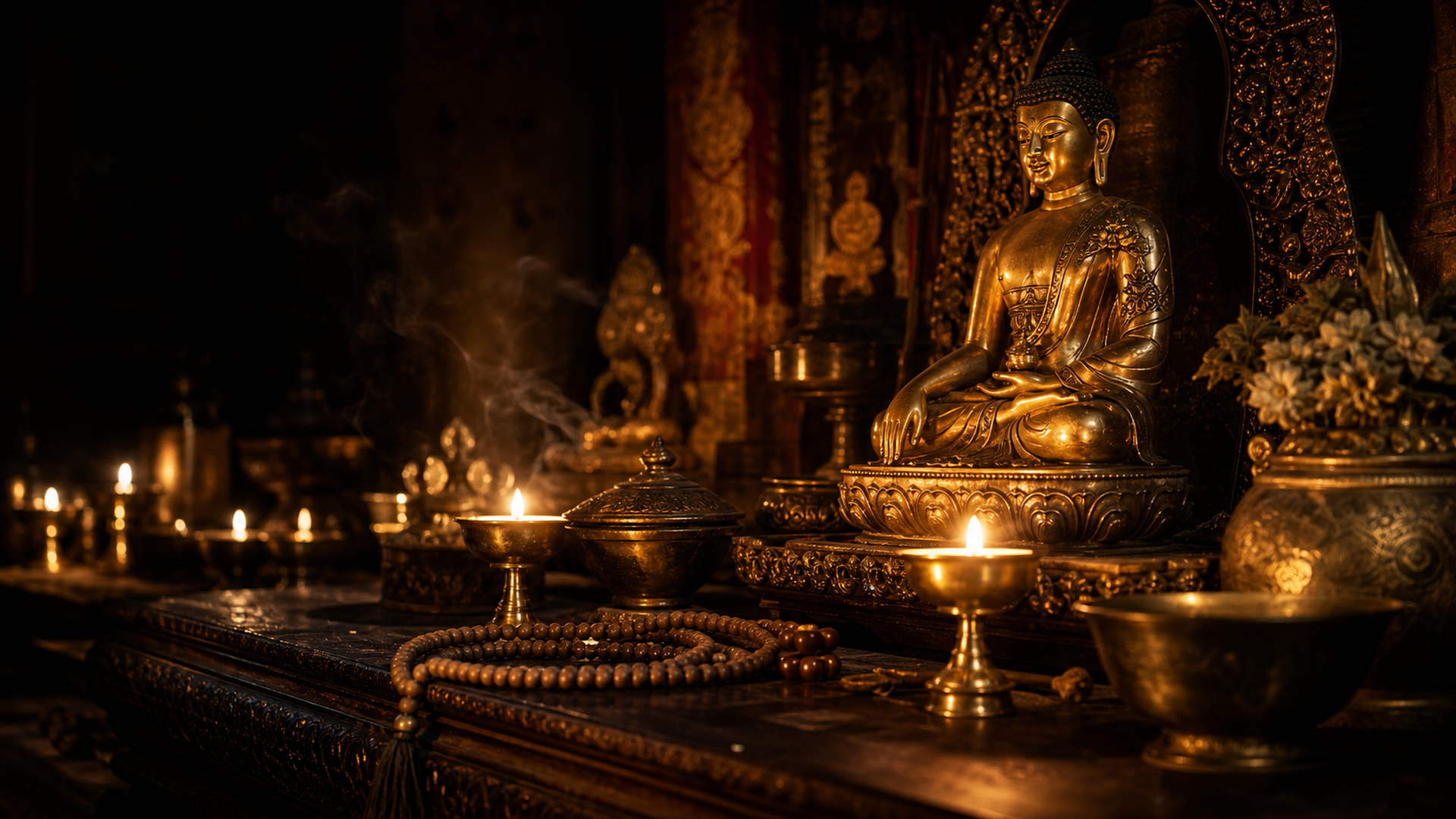
They are not merely laborers; they are practitioners themselves, and their craft is a form of meditation. After being carved, the pieces don't just go into a box. They are brought to a monastery, like Sera Monastery near Lhasa or a partner monastery in Kathmandu, where they are part of a blessing ceremony.
For instance, they might be blessed during a 49-day Guru Rinpoche puja. The monks' chanting and focused intention infuse the objects with positivity. When you or your loved one wears the pendant, you are connecting to that lineage of intention and care.
It's a tangible link to a centuries-old tradition of wishing well-being for others.
How to Choose an Authentic Guardian Buddha Pendant
When you're choosing such a personal and meaningful gift, you want to be sure it's genuine. The market is flooded with imitations, and telling the difference can be difficult. An authentic piece is an investment piece—one you'll pass down, one that will still be worn and cherished in 20 years.
Here are the key things we've learned to look for, which guide the creation of all our handcrafted guardian deity pendants.
The Artisan's Hand vs. The Factory Mold
The first and most obvious difference is in the creation process. A mass-produced pendant is often made from resin or cheap metal pressed into a mold. They are identical, perfect, and lifeless. An authentic piece is carved by hand.
Look closely. You might see the faint, unique tool marks of the artisan's work. No two pieces will be exactly the same. The lines might have a subtle softness or a human irregularity that a machine cannot replicate.
This is not a flaw; it's the signature of the human hand and heart that made it. The artisans in our Kathmandu atelier spend 8 to 12 hours on a single piece, and that focused energy becomes part of its story.

The Material's Story and Feel
The material itself is crucial. Mass-produced items often use plastic or colored glass. We choose to work with natural stones that have their own history and meaning within the Himalayan tradition.
- Obsidian: This volcanic glass is known for its protective qualities. It's believed to be a grounding stone, shielding against negativity. A real obsidian pendant feels cool and weighty in your hand—typically 15 to 25 grams depending on size.
- Cinnabar Lacquer: In our workshop, we use a traditional technique of layering lacquer infused with cinnabar, a mineral revered for its vibrant red color and association with vitality and transformation. It's a time-consuming process that results in a deep, rich color that plastic cannot mimic. Each layer takes three days to cure properly.
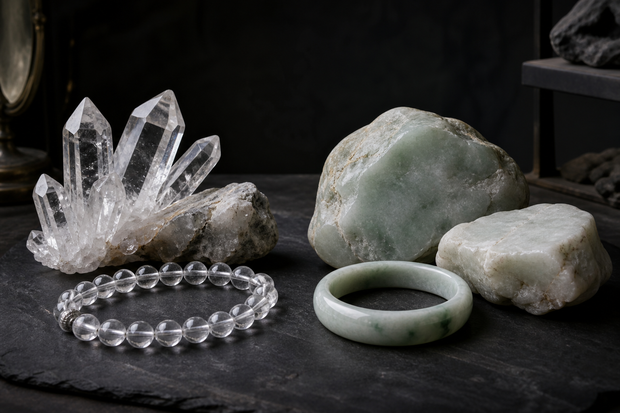
- Jade (Nephrite or Jadeite): Jade has been valued since the Shang Dynasty in the East as a stone of harmony, balance, and good fortune. Real jade has a specific gravity and a smooth, almost waxy feel. It warms to your skin when worn.
Ask where the materials are from. An authentic seller should be able to tell you the story of the stone, not only its name. Our deep get into the Guardian Buddha tradition explains more about why these material choices are so significant.
The Iconography's Accuracy
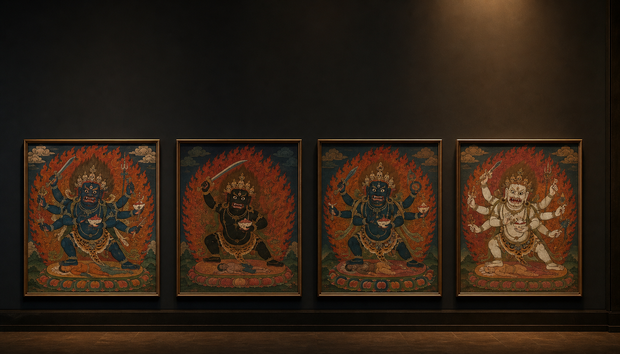
This is a subtle but vital detail. Each Bodhisattva has specific iconography—the posture (mudra), the objects they hold, the way they are seated. For example, Manjushri, the Bodhisattva of wisdom, is almost always depicted holding a flaming sword that cuts through ignorance.
Acala, the Immovable One, often holds a sword and a lasso. Mass-produced versions often mix up these details, creating a generic "buddha-like" figure that lacks specific meaning. An authentic piece, created by someone familiar with the tradition, will be iconographically correct.
This accuracy is a sign of respect for the tradition and ensures the piece carries its intended symbolism.
How to Actually Use and Care for Your Pendant
Once you've chosen the perfect piece for your loved one, you might want to share some gentle guidance on how they can connect with it. This isn't about rigid rules, but about suggestions to help the pendant become a meaningful part of their daily practice.
Setting an Intention
When giving the gift, you can suggest they take a quiet moment when they first receive it. They can hold it in their hands, close their eyes, and simply set an intention. It could be something simple like, "May this remind me to be patient," or "May this be a reminder of my own strength." I've watched practitioners in Lhasa do this with their mala beads—that act of personal dedication is what truly anchors the piece to their practice, making it theirs in a way that matters.
Daily Wear and Respectful Placement
These pendants are designed to be worn. In Tibetan Buddhist tradition, sacred objects are worn above the waist—a gesture of reverence that's been observed since at least the 7th century. We also recommend taking it off before showering or swimming, as moisture and chemicals can damage the natural stone and the cord over time.
When not being worn, it can be placed on a small, clean cloth on a dresser or a personal altar space. It's about treating it not only as jewelry, but as a spiritual object with purpose.
A Mindful Touchstone
Encourage them to use it actively. Remind them that throughout the day, they can simply touch it. It's a physical interruption to a train of stressful thoughts. The simple sensory act of feeling the hand-carved details under their thumb can be enough to bring them back to the present moment, even for just a few seconds.
It's a private, grounded practice that can be done anywhere—on the bus, at your desk, waiting in line.
Caring for the Piece
Caring for the pendant is straightforward. A soft, dry cloth can be used to gently wipe away any oils or dust. For a closer clean, a slightly damp cloth is sufficient. Avoid harsh jewelry cleaners or abrasive materials.
The goal is to preserve the natural patina and the integrity of the carving. This act of cleaning can also be a mindful moment—a time to reconnect with the intention set for the piece.
Common Questions About Guardian Buddha Jewelry
Can I, as a non-Buddhist, give this to my Buddhist friend? Will it be offensive?
This is a wonderful and considerate question. The answer is absolutely, yes, you can. In fact, it's one of the most thoughtful gifts you can give. The act of choosing a gift that aligns with your friend's spiritual path shows deep respect and understanding.
It's not offensive; it's a gesture of genuine support for their practice and well-being. The key is the intention behind the gift. You are not trying to adopt a religion you don't practice; you are honoring theirs.
By choosing an authentic piece and perhaps sharing a little about its meaning, you're showing that you took the time to understand what is important to them. It's an act of friendship that transcends cultural or religious boundaries.
What if I don't know their exact birth year? Is the animal sign enough?
The birth year is quite important because the 12-year animal cycle repeats. For example, someone born in 1988 is a Dragon, but so is someone born in 2000. They fall under the care of the same Guardian Bodhisattva, Samantabhadra.
So, if you know their animal sign, you can determine their protector. However, knowing the exact year helps confirm the sign if you're unsure (as the zodiac year starts with the Lunar New Year, not January 1st).
If you're buying a gift, the best way is often to ask subtly, perhaps by bringing up a conversation about zodiacs or birthdays. If that's not possible, most online calculators can determine the animal sign from a birth date, which is all you need to find their corresponding guardian.
Is it cultural appropriation for a non-Buddhist to wear this?
This is a very real and nuanced topic. We believe the difference between appropriation and appreciation lies in intention and understanding. Appropriation is taking a sacred symbol out of its context for purely aesthetic or commercial reasons, stripping it of its meaning.
Appreciation is wearing it with a genuine respect for its origin and a desire to connect with its symbolism. We see our role as providing that context and understanding. If you wear a Guardian Bodhisattva pendant because you resonate with its meaning—the reminder of compassion, wisdom, or strength—and you honor its cultural roots, you are engaging in appreciation.
It becomes a tool for your own inner work, which is a universal human endeavor.
What's the difference between a Guardian Buddha and a regular Buddha pendant?
A pendant depicting Shakyamuni Buddha, the historical Buddha, is a general symbol of the path to enlightenment, peace, and wisdom. It's a universal reminder of the potential for awakening within all beings. A Guardian Buddha, or Bodhisattva, pendant is much more personal.
It is specifically linked to your birth year, representing the particular quality of enlightenment that is considered your "guardian" or spiritual ally. Think of it as the difference between a general guide to wellness and a personal trainer.
Both are beneficial, but the Guardian Bodhisattva is tailored to your specific journey, offering a more direct and intimate point of connection and reflection.
How are your pieces actually blessed? What does that mean?
This is a process we take very seriously. "Blessed" is not a generic marketing term for us. After our artisans in Kathmandu or Lhasa finish hand-carving a batch of pendants, we don't ship them out immediately.
Instead, we take them to a trusted local monastery. There, the pieces are placed on or near the main altar during a specific ceremony, or *puja*. For example, they might be present for a multi-day ceremony dedicated to a specific deity.
The resident monks, during their daily chanting and prayers, focus their intention and positivity, and the objects are believed to absorb this spiritual resonance. It means the piece you receive is not only a beautiful object; it's an object that has been bathed in an atmosphere of devotion, compassion, and well-wishing by a community of dedicated practitioners.
Does the pendant 'work' immediately? What should I expect?
It's best to think of the pendant not as a magic wand, but as a seed. It doesn't create instant change, but with attention and intention, it can help something beautiful grow within you.
The "work" is done by you, not the pendant. Its function is to remind, to anchor, and to inspire. You might not feel a dramatic shift overnight. Instead, you may notice small changes over time.
You might find yourself taking an extra breath before reacting in a stressful situation. You might feel a subtle sense of companionship or resilience during a difficult day. The benefit is gradual and cumulative, growing as your relationship with the piece and its meaning deepens.
It's a partner on your journey, not a shortcut.
What material is best for a gift? Obsidian, Jade, or Cinnabar?
There's no single "best" material; it depends on the person and the intention. For a gift, you can think about it this way: Obsidian is a grounding stone, often associated with protection and clarity.
It's an excellent choice for someone working through uncertainty or wanting to feel more stable and secure. Jade is the classic stone of harmony, health, and good fortune. It's a wonderful gift for a milestone like a wedding, graduation, or the birth of a child, symbolizing wishes for a balanced and prosperous life.
Cinnabar, with its vibrant red color, represents vitality, passion, and renewal. It's a fitting gift for someone starting a new creative project, a new business, or embarking on a new life chapter with courage and energy.
Your Journey, Their Path
Choosing a gift for someone you love is an act of care. Choosing a gift that speaks to their inner life, their struggles, and their strengths is an act of genuine connection. As 2026 unfolds with its own momentum, offering a symbol of stability and inner strength carries real weight.
A Guardian Bodhisattva pendant is not only an object; it's a message. It says, "I honor your path. I believe in your inner wisdom. I wish you peace and protection on your journey."
It is a quiet companion, a piece of Himalayan tradition they can hold in their hand, a reminder of the unshakable qualities that already reside within them. When you give a gift like this, you are giving more than a beautiful piece of jewelry; you are offering a tool for their journey.
We invite you to explore our guardian buddha pendants collection and find the piece that feels right for the person you have in your heart.
Can I, as a non-Buddhist, give this to my Buddhist friend? Will it be offensive?
Absolutely, it is a deeply thoughtful gift. Giving a Guardian Buddha pendant shows genuine respect for your friend's spiritual path and is seen as an act of support, not offense. The key is the intention.
You are honoring their beliefs, not appropriating them. By selecting an authentic piece that aligns with their practice, you are demonstrating a level of care and understanding that transcends cultural boundaries, making it a truly meaningful gesture of friendship.
What if I don't know their exact birth year? Is the animal sign enough?
The animal sign is the most important piece of information, as it directly corresponds to one of the eight Guardian Bodhisattvas. The 12-year zodiac cycle means that multiple birth years share the same animal sign and protector.
For example, 1988 and 2000 are both Year of the Dragon. If you know their animal sign, you can confidently select the correct pendant. The main reason the birth year is helpful is to confirm the sign, especially since the zodiac year begins with the Lunar New Year, not on January 1st.
Is it cultural appropriation for a non-Buddhist to wear this?
We believe the distinction is between appreciation and appropriation. Appropriation often involves using a symbol for aesthetic reasons while ignoring or disrespecting its cultural and spiritual significance. Appreciation, however, involves wearing it with a genuine understanding of and respect for its meaning.
If you wear a Guardian Bodhisattva pendant as a reminder of inner qualities like compassion or strength, and you honor its origins, it becomes a tool for personal growth. It is an act of appreciation for the wisdom of the tradition.
What's the difference between a Guardian Buddha and a regular Buddha pendant?
A pendant of the historical Shakyamuni Buddha is a universal symbol of enlightenment and peace, representing the potential for awakening in all beings. A Guardian Bodhisattva pendant is much more personal and specific. It is directly linked to an individual's birth year through the zodiac, representing a particular quality of enlightenment (like wisdom or compassion) that serves as a personal spiritual ally or protector.
It offers a more tailored and intimate connection for reflection and practice.
How are your pieces actually blessed? What does that mean?
For us, 'blessed' is a specific, meaningful process. After our artisans carve the pendants, we take them to a partner monastery in Kathmandu or near Lhasa. The pieces are placed on or near the altar during a traditional ceremony, or 'puja,' which can last for many days.
During this time, resident monks engage in continuous chanting and prayer, focusing their positive intentions. The objects are believed to absorb this spiritual presence. It means the piece you receive has been steeped in an atmosphere of devotion and well-wishing by a dedicated spiritual community.
Does the pendant 'work' immediately? What should I expect?
It's best to view the pendant as a tool for your own inner work, not a magic charm. Its benefits are gradual and depend on your interaction with it. Don't expect a sudden, dramatic change.
Instead, look for subtle shifts over time. You might find yourself being more mindful, taking a pause before reacting, or feeling a quiet sense of resilience during challenges. The pendant 'works' by serving as a constant reminder and anchor for your own intention.
The more you connect with its meaning, the more its effect will deepen.
What material is best for a gift? Obsidian, Jade, or Cinnabar?
The best material depends on your intention for the gift. Obsidian is a powerful, protective stone, ideal for someone working through change or seeking stability and grounding. Jade is a traditional symbol of harmony, health, and good fortune, making it a perfect gift for major life milestones like a wedding or new baby.
Cinnabar, with its vibrant red hue, represents vitality, courage, and transformation. It's a wonderful choice for someone embarking on a new creative endeavor, starting a business, or needing a symbol of strength and passion.
Keep reading