buddhist-jewelry
The Bodhi Seed Mala: Your Personal Path to Mindful Awareness
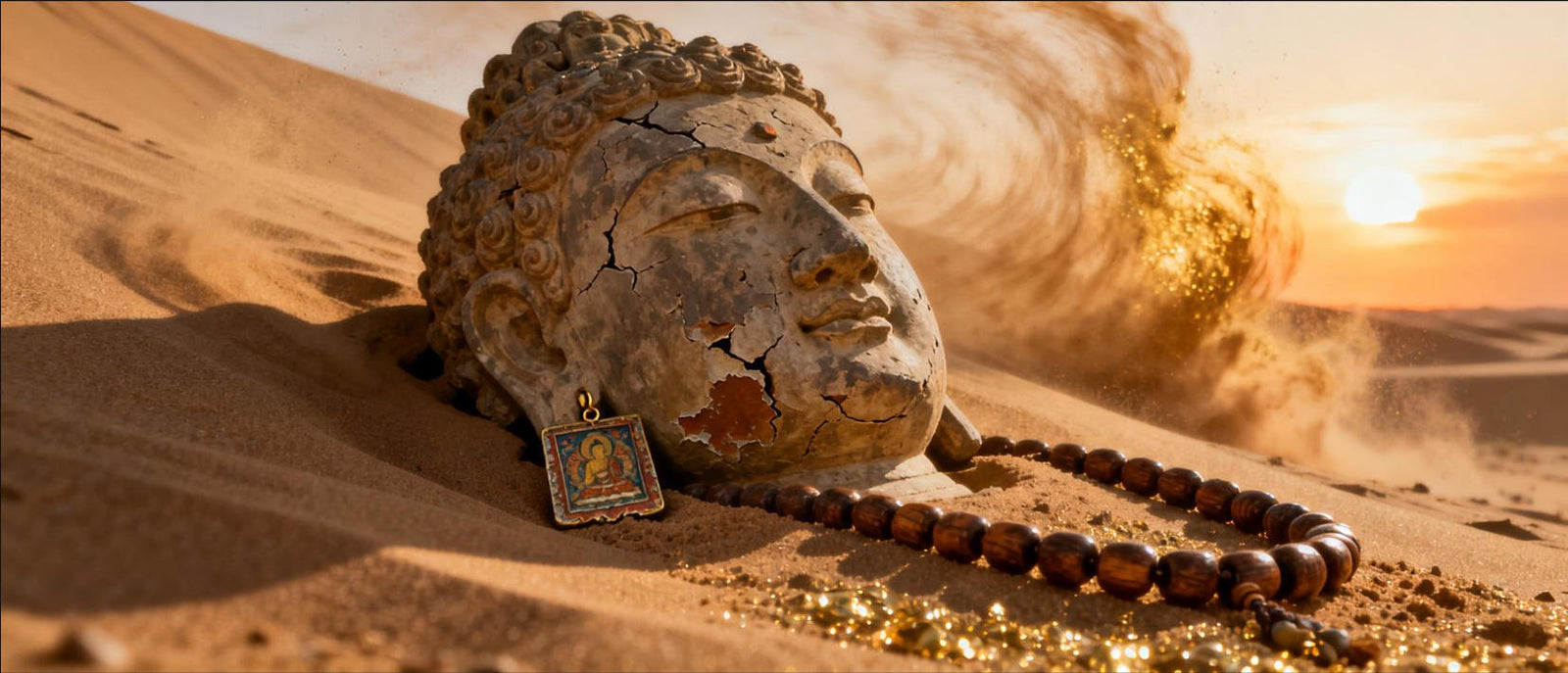
In the vast world of spiritual tools, few objects carry the weight of history, intention, and direct lineage quite like a Bodhi Seed Mala. It is more than a string of beads or a piece of jewelry.
It is a companion for your inner journey, a physical anchor for your wandering mind, and a tangible link to the very moment of enlightenment. When you hold a Bodhi Seed Mala in your hands, you are connecting with a tradition that spans over two and a half millennia, a practice that has guided countless seekers toward clarity and peace.
This is not only an accessory; it is an invitation to awaken, one breath, one mantra, one bead at a time. Your journey with this sacred tool is personal and profound, a path that unfolds with every touch and every moment of quiet contemplation.

A Legacy Rooted in Awakening: The Story of the Bodhi Seed
The story begins under a sprawling fig tree in Bodh Gaya, India. This was no ordinary tree; it was a magnificent *Ficus religiosa*, and beneath its heart-shaped leaves, a seeker named Siddhartha Gautama sat in determined meditation.
He had renounced a life of royal luxury to understand the nature of suffering and find a path to liberation. For days, he sat, unwavering, facing his deepest fears, desires, and doubts. When he finally arose, he was no longer just Siddhartha; he was the Buddha—the awakened one.
In that profound moment of supreme clarity, the tree that had sheltered him became inextricably linked to his transformation. It became known as the Bodhi Tree, from the Sanskrit word ‘bodhi,’ meaning "awakening" or "enlightenment."
This tree became the epicenter of the Buddhist world, a pilgrimage site of immense power. Devotees and practitioners sought a way to carry a piece of this sacred presence with them. The seeds that fell from the Bodhi Tree and its descendants were seen as a direct, physical link to that pivotal moment in human consciousness.
For over two millennia, these precious seeds have been carefully gathered, drilled, and strung into malas, creating a continuous lineage of awakening. Holding one is like holding a key that unlocks a deep, ancestral memory of peace and potential.
At Buddhabelief, we honor this sacred lineage with the utmost reverence. We understand that the power of a mala is not only in its material, but in its intention and history. Each Bodhi Seed Mala we offer is crafted from seeds harvested with respect for the earth and the tradition.
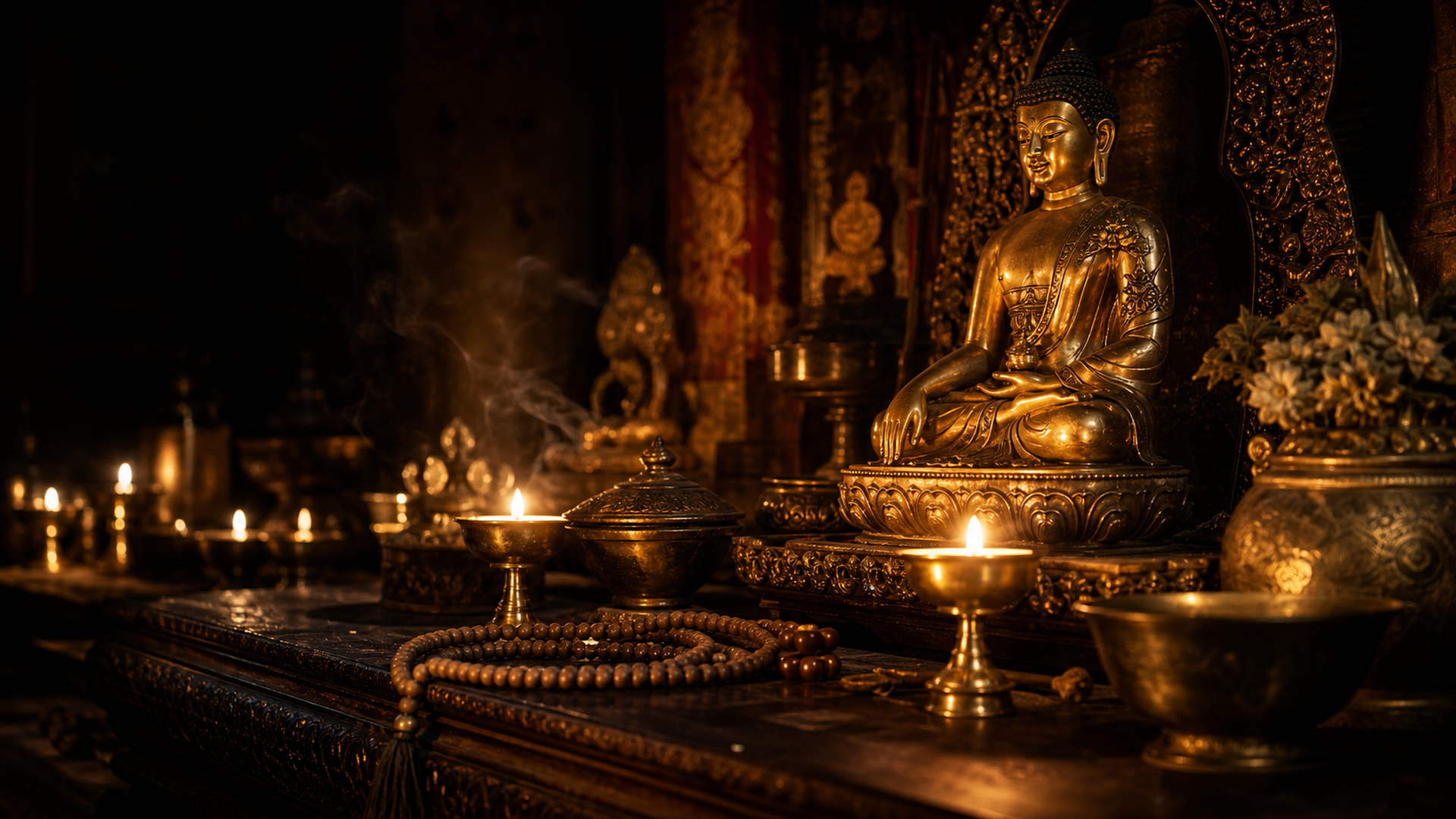
They are then meticulously hand-strung by skilled artisans and blessed in Tibetan monasteries, where the air itself is thick with the resonance of mantra and devotion. When you hold one of our malas, you're not only holding beads; you're holding a piece of spiritual history, charged with the collective intention of awakening that has been passed down through generations.
The Sacred Anatomy of a Bodhi Seed Mala
A traditional Tibetan mala is a microcosm of the spiritual path, with each component holding deep symbolic meaning. Understanding its structure enriches your practice, turning a simple counting tool into a map of your inner landscape.
A full mala is comprised of 108 beads, a number that resonates with profound significance across various Eastern traditions.
You might wonder about this specific number. In Tibetan Buddhism, 108 is a powerful representation of the journey to liberation. It is said to represent the 108 human passions or defilements (*kleshas*)—such as greed, anger, and ignorance—that we must overcome to reach enlightenment.
As you move through each bead while reciting your mantra, you're not only counting; you're symbolically acknowledging and releasing these mental and emotional obstacles. It is a journey of 108 small, intentional steps toward inner freedom, making your meditation a purposeful pilgrimage rather than a mere exercise.
Other interpretations add to the number's significance. Some traditions teach that there are 108 focus points, or nadis, that converge to form the heart center. In Vedic cosmology, the distance between the Earth and the Sun is approximately 108 times the Sun's diameter.
The number echoes through the cosmos and within your own body, linking your personal practice to a universal rhythm.
Beyond the 108 beads, your mala has a distinct starting and ending point: the Guru Bead. Also known as the Meru Bead (after the mythical cosmic mountain), this larger, central bead symbolizes the teacher, the ultimate reality, or the state of enlightenment itself.
It is the anchor of the mala. During practice, you do not cross over the Guru Bead. Instead, upon completing a round of 108 repetitions, you pause to offer gratitude, and then you turn the mala around and begin your next round in the opposite direction.
This act signifies the understanding that the spiritual path is a continuous cycle of learning and practice under the guidance of wisdom.
Finally, you will notice the tassel or a set of counter beads attached to the Guru Bead. The tassel can symbolize the lotus flower, representing purity and the unfolding of spiritual potential, or the roots of the Bodhi tree, grounding your practice in the earth.
The string that holds the entire mala together is also significant. Often, it is made of three or nine smaller threads twisted together, symbolizing the Three Jewels (the Buddha, the Dharma, and the Sangha) or the nine vehicles of the Nyingma school of Tibetan Buddhism.
Every element is infused with meaning, designed to support and deepen your meditation.
Why Bodhi Seeds? The Unique Presence of a Living Bead
While malas can be made from various materials like wood, stone, or crystal, Bodhi seeds possess a unique quality that makes them especially cherished for practice. Their character lies in their organic nature and their profound symbolism.
Run your thumb over a Bodhi seed's surface. Notice the subtle, natural grooves and the slightly uneven texture. Unlike perfectly smooth, cold stones, this unique surface provides gentle, constant tactile feedback. This physical sensation is a powerful anchor that keeps your mind from drifting during meditation.
Each time you touch a new bead, your nervous system receives a small, grounding signal, physically reminding you to stay present with each passing breath and mantra. The seeds are lightweight and porous; they feel organic and alive in your hands, warming to your touch and connecting you to the natural world.
Beyond their texture, Bodhi seeds are a remarkable symbol of potential. Every single seed, no matter how small, contains the complete blueprint for a vast, magnificent Bodhi tree. This is a direct and powerful metaphor for your own Buddha-nature—the inherent potential for awakening that exists within you.
Holding these seeds is a constant reminder that, like the seed, you possess everything you need for profound growth and enlightenment. Your practice is the water, sunlight, and nourishment that allows this potential to sprout and flourish.
One of the most beautiful aspects of a Bodhi Seed Mala is its personal evolution. As you use your mala, the seeds begin to absorb the natural oils from your skin. Over months and years of dedicated practice, they will gradually darken in color, developing a deep, rich patina.
The surface will become smoother and shinier with every mantra you recite. Your mala becomes a living diary of your journey, a physical record of your devotion, effort, and intention. It grows and changes with you, becoming an increasingly personal and powerful sacred object that reflects the presence you have poured into it.
Within the family of Bodhi seeds, you may encounter specific types, each with its own unique symbolism. The 'Phoenix Eye' Bodhi, for instance, has a natural shape on its surface that resembles an eye, symbolizing the ever-watchful, compassionate eyes of the Buddha or Guru Rinpoche.
The 'Moon and Stars' Bodhi features a small hole (the moon) surrounded by tiny dots (the stars), representing the vastness of the enlightened mind. While these varieties are beautiful, the classic, unadorned Bodhi seed carries the original, potent presence of the Bodhi Tree and is equally powerful for any practice.

Awakening Your Practice: How to Use Your Bodhi Seed Mala
Integrating a mala into your routine requires no special expertise, only your sincere intention. It is a simple, elegant practice that can transform your relationship with meditation. if you choose a full 108-bead mala for deep meditation or a convenient Bodhi seed bracelet for on-the-go mindfulness, the principle is the same.
First, prepare your space and mind. Find a quiet, comfortable place where you can sit without being disturbed. You can sit on a cushion on the floor or upright in a chair, with your spine straight but not rigid.
Close your eyes and take a few deep, conscious breaths to settle your body and mind. Set an intention for your practice. It could be for peace, for clarity, for the well-being of others, or simply to be present.
Hold your mala gently in your right hand, as this hand is often associated with generating positivity and projecting intention. Let the mala drape over your middle finger. The thumb is used to draw each bead toward you as you recite your mantra.
The index finger, which is sometimes associated with the ego, should not touch the beads; let it point away naturally. Your left hand can rest comfortably in your lap, perhaps open in a gesture of receiving.
Now, set your rhythm with a mantra. A mantra is a sacred sound, word, or phrase that helps to focus the mind and invite a specific quality. You can choose a traditional Sanskrit mantra or a simple affirmation in your own language.
A universally beloved mantra in Tibetan Buddhism is Om Mani Padme Hum, which invokes the compassion of Avalokiteshvara. Another simple yet powerful one is Om Ah Hum, which helps purify the mind, body, and speech.
Or, you can use a simple phrase like "I am peaceful" or "Let it go."
Begin at the first bead next to the Guru Bead. As you recite your chosen mantra (either aloud or silently), use your thumb to pull that bead towards you. Then, move your thumb to the next bead and repeat the mantra.
Continue this process, one bead, one mantra, one breath at a time. Let the movement and sound become a smooth, flowing meditation.
If you are just starting, your mind will wander. This is not a failure; it is the nature of the mind. The very purpose of the practice is to notice this wandering. The feeling of your thumb finding the next Bodhi seed is your gentle, non-judgmental reminder to come back.
Don't be discouraged. Just gently guide your awareness back to the sensation of the bead and the sound of your mantra. Each time you return, you are strengthening your muscle of mindfulness.
When you feel overwhelmed by stress or anxiety during your day, you don't need to complete a full session. Simply hold your mala. Roll the beads between your fingers without counting or chanting. Let the natural, earthy texture ground you in the present moment, pulling your focus away from anxious thoughts and into the physical reality of your hands.
It is a portable sanctuary.
Once you have completed a full circle and your thumb reaches the Guru Bead, pause. This is a moment to reflect, offer gratitude to your teachers and the lineage, and acknowledge your practice. Do not cross over the Guru Bead.
To continue, simply turn the mala 180 degrees and begin the next round, moving in the opposite direction.
Caring for Your Sacred Companion
Your Bodhi Seed Mala is a sacred companion on your spiritual path, and treating it with respect deepens your connection to its purpose. Proper care ensures its longevity and preserves the sacred presence it accumulates through your practice.
Handle your mala with intention. When you are not using it for meditation, avoid placing it on the floor or in a place where it might be stepped on or treated carelessly. Think of it as a revered object.
A good practice is to store it in a special place, such as on your personal altar, in a small silk pouch, or wrapped in a clean cloth. Keeping it in a dedicated spot reinforces its special role in your life.
Because Bodhi seeds are a natural, porous material, they require gentle cleaning. Avoid soaking your mala in water or using any harsh soaps or chemical cleaners, as this can cause the seeds to swell, crack, or lose their natural luster.
To clean it, simply wipe the beads gently with a soft, dry, or very slightly damp cloth to remove any dust or grime. The best way to preserve your mala is through regular use; the oils from your skin will naturally protect and polish the seeds over time.
As mentioned, you will notice your mala changing color and texture with use. Embrace this transformation. The deepening patina is a beautiful and visible sign of your commitment and the intention you've shared with your mala. It is becoming uniquely yours, a sign of your journey.
If your mala breaks one day, do not see it as a bad omen. In the Buddhist tradition, a broken mala can be viewed in a very positive light. It can symbolize the breaking of a cycle of suffering, the release of a significant karmic debt, or a breakthrough in your practice.
It signifies that the mala has absorbed and transformed a powerful amount of presence. You can gather the beads and choose to restring it, perhaps with a new intention, or you can retire it respectfully and begin a journey with a new one.
More Than Beads: The Presence of a Buddhabelief Mala
In a world of mass production, the source and creation of a spiritual object matter profoundly. A Bodhi Seed Mala is not merely an assembly of parts; it is a vessel of intention. The presence it carries begins long before it reaches your hands, starting with the very seeds themselves.
The journey of a Buddhabelief mala begins with seeds that are harvested with respect and mindfulness. We partner with artisans who understand the sacred nature of this material. The crafting process itself is a form of meditation.
Each bead is carefully drilled and strung by hand, a slow and deliberate process that infuses the object with human care and focus. This is a stark contrast to machine-made items that lack a personal, grounded quality.
Crucially, our malas are then blessed in Tibetan monasteries. But what does it mean for a mala to be "blessed"? This is a sacred and ancient practice where Buddhist monks perform specific rituals, or *pujas*, over the malas.
They chant powerful mantras for hours or even days, directing positive, protective, and enlightening intention into the beads. This process is believed to purify the mala of any negative influences from its creation and transport, and to imbue it with the spiritual presence of the Buddha's teachings.
It awakens the mala, transforming it from a simple string of beads into a potent spiritual tool.
When you choose your mala from our curated collection of mala beads, you are receiving a tool that has been prepared with profound intention from the very beginning. This presence is palpable.
It is a feeling of peace, of authenticity, of connection to a living tradition. You are not only buying an object; you are becoming a steward of an item that has been consecrated for the very purpose of aiding your journey toward mindful awareness.
Your Mala, Your Journey: Finding the Right Connection
Your path to awakening is uniquely yours. It is a deeply personal exploration of your own mind and heart. A Bodhi Seed Mala is a faithful companion for that journey—a physical reminder of your intention, a tool to steady your focus, and a direct link to the timeless wisdom of the Buddha.
When selecting a mala, trust your intuition. You may be drawn to a particular feel, a specific type of Guru bead, or simply a sense of connection you can't quite explain. That is the mala that is meant for you.
It is an extension of your own spiritual aspiration. As you welcome it into your life, let it be more than an ornament. Let it be a call to presence, a reminder to be kind to yourself and others, and a symbol of the boundless potential for awakening that resides within you.
Let your Bodhi Seed Mala rest in your hands, feel the weight of its history and the lightness of its promise. With every bead, you are not only counting—you are walking a path of transformation.
Explore our full range of authentic, blessed items and find the piece that speaks to your spirit in our complete collection.
Explore our monk-blessed Yak Bone 108 mala.
Frequently Asked Questions
1. Can anyone use a Bodhi Seed Mala, or is it only for Buddhists?
Anyone can use a Bodhi Seed Mala. While it has deep roots in Buddhist tradition, its function as a tool for mindfulness and meditation is universal. Using a mala is about setting a personal intention for peace, focus, or spiritual connection, regardless of your specific beliefs.
It is a tool to help quiet the mind, and that is a benefit anyone can appreciate.
2. What's the difference between a Bodhi seed mala and one made of crystal or wood?
The primary difference lies in symbolism and feel. Bodhi seeds have a direct connection to the Buddha's enlightenment, symbolizing the potential for awakening within each person. Their organic, porous texture warms to your touch and changes over time, creating a very personal connection.
Malas made from crystals (like amethyst or quartz) are often chosen for their specific qualities, while wood malas (like sandalwood) are known for their calming aroma and grounding quality. The choice is a matter of personal resonance and intention.
3. How do I choose the right mantra for my practice?
Start with something simple that resonates with you. The classic Tibetan mantra Om Mani Padme Hum is a wonderful choice for cultivating compassion. If you prefer something in your own language, a simple affirmation like "I am calm and present" or "Breathing in, I feel peace" works beautifully.
The most important thing is that the mantra feels meaningful to you. You can research different mantras or simply trust your intuition to guide you to the right words for your current state of mind.
4. My mind wanders constantly when I use my mala. Am I doing it wrong?
You are not doing it wrong at all—you are doing it exactly right! The purpose of meditation is not to have a perfectly empty mind, but to become aware of when your mind has wandered.
The mala is your tool for this. Each time you notice your thoughts have drifted, and you gently guide your attention back to the feeling of the bead and your mantra, you are successfully practicing mindfulness.
This act of returning, again and again without judgment, is the core of the practice.
5. What should I do if my mala breaks?
A broken mala is not a negative sign. In Buddhist teachings, it can symbolize a breakthrough, the end of a cycle, or the release of karma. It means the mala has served its purpose and absorbed a great deal of presence.
You can see it as a moment for reflection. You can choose to gather the beads and have it restrung, infusing it with a new intention for the next phase of your journey. Alternatively, you can respectfully retire the beads (perhaps by burying them in a garden) and begin with a new mala.

Keep reading