buddhist-jewelry
Complete Mala Care Guide: Cleanse & Charge
Your mala beads have become your confidant. They've rested in your hands during quiet contemplation, absorbed the whispers of your mantras, and felt the weight of your worries. more than a beautiful accessory, your mala is a spiritual tool, a physical anchor for your intentions, and a record of your journey.
Like any faithful companion, it requires care—not only physical maintenance, but deep focus on your presence and intention.
A well-cared-for mala doesn't just last longer; it remains a clear, potent channel for your practice. This isn't about superstition or rigid rules. It's about respecting the sacred relationship you've built and ensuring the presence flowing through your beads remains as pure as your intention.
When you first chose your mala, you were drawn to its focus. By regularly cleansing, charging, and caring for it, you honor that initial connection and keep its resonance high. You are tending to a garden, ensuring that the soil remains fertile for your intentions to grow.
When our team was learning about traditional care methods in

The Sacred History of Mala Beads: more than Jewelry
To truly understand how to care for your mala, it helps to appreciate its profound history. These strings of beads are not a recent wellness trend; they are ancient tools steeped in thousands of years of spiritual tradition.
The word "mala" is Sanskrit (माला), meaning "garland." Their use originated in India around the 8th century B.C.E., rooted in Hinduism, and later adopted by Buddhists and other spiritual seekers across Asia.
The structure of a traditional mala is a map of the cosmos and the self. It almost always consists of 108 beads. This number is sacred for a multitude of reasons across various traditions.
Some say it represents the 108 earthly desires (kleshas) one must overcome to achieve enlightenment. In astrology, the diameter of the Sun is about 108 times that of the Earth, and the distance from the Sun to Earth is about 108 times the Sun's diameter.
In Ayurveda, there are 108 sacred points (marmas) on the body. The number connects you to a universal rhythm, a cosmic dance that you participate in with every mantra you recite.
Your mala is guided by a distinct "guru bead" or "sumeru bead." This 109th bead is not counted during mantra repetition. It represents the teacher, the divine, or your own highest wisdom. When you reach the guru bead during your japa (mantra) practice, it’s a moment to pause, reflect, and give thanks.
The tassel, often found at the end of the guru bead, is also symbolic. It represents the connection to spirit and the universe's oneness. The many individual threads of the tassel come together as one, a beautiful metaphor for our individual connection to the collective consciousness.
Historically, malas were made from organic materials that were believed to hold specific energies—rudraksha seeds, bodhi seeds (from the tree under which the Buddha attained enlightenment), sandalwood, or tulsi wood. Today, you can find beautiful mala beads made from these traditional materials as well as a variety of gemstones, each offering unique energetic properties.
Understanding this rich lineage transforms your mala from an object into a sacred inheritance, a tool that connects you to generations of practitioners who have walked the path before you.
The Energetic Shower: Why Cleansing is Non-Negotiable
Think of your mala as a spiritual sponge. As you use it for meditation, it soaks up the distinct spiritual character of your mantras and the focus of your practice. It also, by its very nature, absorbs the presence around it.
It picks up the ambient stress of your daily commute, the residual tension from a difficult conversation, and the general presence of the world around you. This is not a negative thing; it is simply the nature of presence.
However, if this accumulated presence is not cleared away, the sponge becomes saturated. A cleansed mala feels light, vital, and responsive in your hands. Its presence is clear and available for your intention. A heavy, neglected one might feel dull, dense, or even contribute to a sense of mental static during your practice.
You might find it harder to focus, or the connection you once felt to your beads might seem distant. Cleansing is the spiritual equivalent of shaking the dust from a precious rug, restoring its true, brilliant colors and making it a clean space to sit for practice.
Consider these scenarios:
- After a period of intense emotional release: If you've used your mala to work through grief, anxiety, or anger, it has faithfully held that heavy presence for you. Cleansing it is an act of gratitude and release, preventing that old presence from being carried into your next meditation.
- When you feel "stuck" in your practice: If your meditations feel stagnant or your mind is unusually scattered, your mala might be holding onto old patterns. A thorough cleansing can act as a reset button, for both you and your tool.
- If someone else has handled it: While not inherently bad, another person's presence can leave an imprint on your mala. Cleansing it re-establishes it as your personal sacred tool, attuned specifically to your feeling.
- When you first receive it: Your new mala has been on a long journey to reach you. It has been handled by the artisan who crafted it and those who packaged it. The very first thing you should do is perform a deep cleanse to clear its history and make it fully your own.
Cleansing is an act of mindfulness. It is a ritual that reinforces your commitment to your practice and your respect for the tools that support you. It's a way of saying, "Thank you for your service. Let me restore you so we can continue our work together."
A Guide to Cleansing Methods: Finding Your Ritual
There is no single "correct" way to cleanse your mala. The best method is the one that resonates with you and the materials of your specific beads. Experiment with these techniques and discover what feels most authentic for your practice.
The key ingredient in every method is your focused intention.
Smoke Cleansing (The Traditional Way)
This ancient practice uses the smoke from sacred plants to purify objects. The smoke attaches to heavy or stagnant presence and carries it away as it dissipates.
- Herbs to Use: White Sage is powerfully purifying, ideal for deep cleaning. Palo Santo ("holy wood") cleanses and also invites positive, sweet presence. Cedar is wonderful for protection, while Juniper has been used for centuries in Tibetan traditions to clear spaces. - The Ritual: 1. Light your chosen herb or wood stick safely in a fireproof bowl. Let it catch fire for a moment, then gently blow it out so it is smoldering and producing a steady stream of smoke. 2. Hold your mala in one hand and carefully pass it through the smoke several times. 3. As the smoke curls around each bead, visualize it carrying away any unwanted or stagnant presence. 4. Set a clear intention, either spoken aloud or silently: "May this sacred smoke purify this tool, release all that does not serve, and restore its vital, clear nature."
Moonlight Bath (The Gentle Recharge)
The moon governs our inner worlds, our intuition, and the ebb and flow of our focus. Its light is cooling, receptive, and brilliant for clearing mental and emotional residue and recharging beads with a calm, intuitive presence.
- Best Timing: The full moon offers the most potent cleansing presence, representing a peak of power and illumination. A new moon is also a powerful time, excellent for setting new intentions with your freshly cleansed mala. - The Ritual: 1. Find a safe spot, such as an indoor windowsill or a protected outdoor table, where your mala can rest in the direct light of the moon. 2. Lay your mala on a natural surface like a piece of wood, stone, or a silk cloth. 3. Before leaving it, hold it for a moment and ask the lunar presence to wash over the beads, clearing and renewing them. 4. Leave it overnight and retrieve it in the morning before the sun becomes too strong. This method is particularly wonderful for gemstone malas like Amethyst, Moonstone, and Rose Quartz.
Sound Clearing (The Resonant Reset)
Sound is resonance, and its pure, resonant waves can physically disrupt and break apart stagnant patterns held within your mala. This is a quick and effective method for a daily reset.
- Tools to Use: A Tibetan singing bowl is traditional and highly effective. Tingsha bells, a simple brass bell, or even your own voice chanting a mantra like "OM" can work beautifully. - The Ritual: 1. Hold your mala in one hand or lay it inside or beside your singing bowl (without it touching the sides as the bowl vibrates). 2. Gently strike the singing bowl with its mallet and guide it around the mala, allowing the sound waves to wash over every bead. If using a bell, ring it over the mala. 3. Continue for a few minutes until you feel a shift in presence. The mala may feel lighter or "brighter." Your intention is key: visualize the sound waves shattering any accumulated debris.
Sunlight Charging (The Activating Cleanse)
While moonlight is gentle and receptive, sunlight is powerful, activating, and invigorating. A short sunbath can both cleanse and charge your mala with vitality and life-force presence. This is excellent for malas used for motivation, clarity, and vitality, such as those made of Carnelian, Tiger's Eye, or Sunstone.
-
- The Ritual:
1. Place your mala in direct sunlight for a short period—no more than an hour is needed. Early morning light is often considered the best.
2. Important Caution: Be mindful of your mala's material. Prolonged direct sunlight can cause some gemstones like Amethyst, Rose Quartz, and Fluorite to fade. It can also dry out certain woods or seeds over time. This is a powerful but not universally suitable method.
Earth Burial (The Deep Grounding)
For a profound, deep cleanse, you can return your mala to the source of its materials: the Earth. The Earth's presence is incredibly grounding and has a powerful neutralizing effect.
-
- The Ritual:
1. Find a special spot in your garden or a healthy potted plant.
2. Wrap your mala in a natural, breathable cloth like cotton or silk to protect it from moisture and dirt.
3. Bury it in the soil, no more than a few inches deep. Mark the spot so you don't forget it.
4. Leave it for at least 24 hours, or even up to three days, allowing the Earth to absorb and clear any and all accumulated patterns. When you unearth it, it will feel profoundly renewed.

Handling the Physical Vessel: Dos and Don'ts for Longevity
Your mala's care is paramount, but its physical maintenance ensures it can serve you for years to come. The cord that holds your 108 beads is its lifeline, and the beads themselves can be delicate.
Treating the physical form with respect is an integral part of honoring your sacred tool.
The Dos of Mala Care
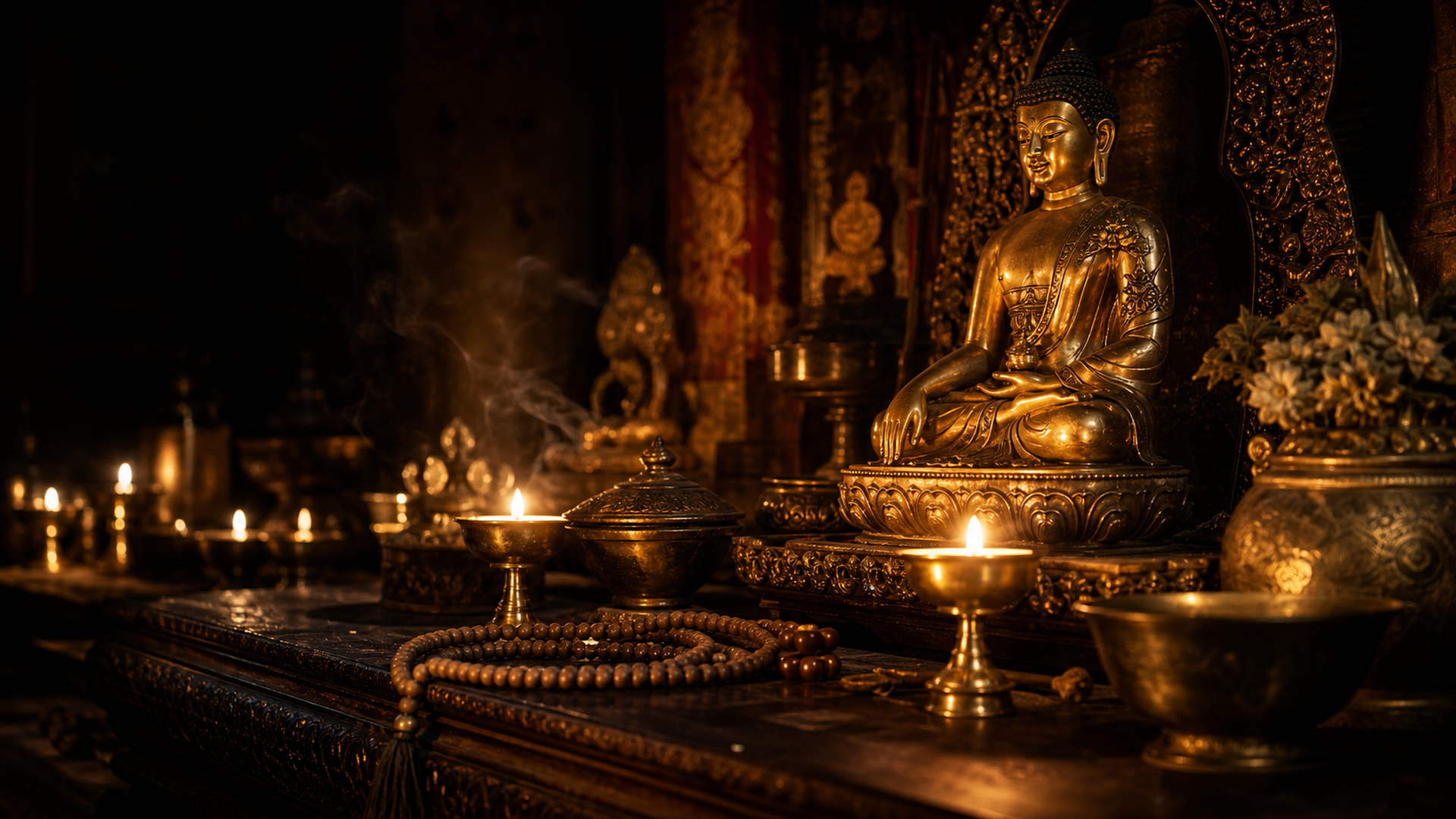
- Store it Properly: When you are not using or wearing your mala, keep it in a safe and sacred space. A small, soft pouch made of natural fabric like silk or cotton is ideal. You can also place it on a personal altar or a dedicated dish. This protects it from physical damage and keeps its presence clear.
- Handle with Intention: Pick up your mala with mindfulness, not casually. Let the act of putting it on or taking it off be a small ritual in itself.
- Clean the Beads Gently: For most wood and seed beads, a simple wipe with a soft, dry cloth is sufficient. For gemstone beads that have become dull from skin oils, you can use a very slightly damp cloth and then dry them immediately. Avoid harsh chemicals or soaps.
- Wear it Mindfully: If you wear your mala as a necklace, be aware of it. Tuck it into your shirt during physical activities to prevent it from snagging.
The Don'ts of Mala Care
- Don't Get it Wet: Avoid showering, swimming, or bathing with your mala on. Water can weaken the cord over time, causing it to stretch or break. It can also damage wooden beads or tarnish metal spacers.
- Don't Let it Drag: The mala is a sacred object. Avoid letting it touch the ground or drag on the floor. This is a sign of disrespect in many traditions.
- Don't Sleep With It On: Tossing and turning in your sleep can put unnecessary strain on the cord and lead to breakage. It's better to place it on your nightstand or altar.
- Don't Stretch It: While it can be tempting to wrap a full mala around your wrist, this puts significant stress on the cord. If you prefer to wear your intentions on your wrist, consider a dedicated wrist mala or bracelet designed for that purpose.
Charging and Programming Your Mala: Setting a Clear Intention
Once your mala is cleansed, it exists in a state of beautiful neutrality. It's a blank slate, a clear vessel ready to be filled. The next step, which is just as important as cleansing, is charging or programming it with your specific intention.
This act dedicates the mala to your current spiritual goal, turning it from a general tool into a highly personalized ally.
Charging is the process of infusing the mala with a purpose. Are you seeking to cultivate more compassion? Overcome a specific fear? Invite abundance? Heal from a past hurt? Your intention is the focus you bring into the cleansed vessel of your mala.
A Simple Programming Ritual:
- Find a Quiet Space: After cleansing your mala, sit in a comfortable meditative posture where you won't be disturbed.
- Connect with Your Breath: Take several deep, calming breaths to center yourself and quiet your mind.
- Hold Your Mala: Hold your mala in both hands at your heart center. Feel the weight and texture of the beads. Acknowledge its presence as your spiritual companion.
- Clarify Your Intention: Bring your intention clearly to mind. Make it a positive, present-tense statement. For example, instead of "I want to be less anxious," frame it as "I am calm and at peace." Or "I cultivate loving-kindness for myself and all beings." Feel the emotion and reality of this intention as if it is already true.
- Infuse the Beads: With your eyes closed, continue to breathe deeply. With each exhale, visualize the focus of your intention flowing from your heart, through your hands, and into every single bead of the mala. See the beads light up with this presence.
- Seal it with a Mantra: To seal the intention, you can chant a relevant mantra, such as "Om Shanti Om" for peace or "Om Mani Padme Hum" for compassion, a full 108 times using your newly programmed mala. This first use is a powerful dedication.
Your mala is now programmed. Every time you pick it up, it will resonate with this specific intention, reminding and supporting you on your path. You can reprogram your mala anytime your goals or focus shifts by simply performing another cleansing and programming ritual.
When Your Mala Breaks: A Sign of Completion, Not Failure
It can be a startling, even upsetting, moment when a beloved mala breaks. The cord snaps, and the beads you've held for countless hours scatter. Your first instinct might be to feel that you've done something wrong or that it's a bad omen.
The Buddhist perspective offers a much more beautiful and profound interpretation: a broken mala symbolizes the completion of a cycle.
Your mala has been working with you, holding the presence of a particular intention, lesson, or life chapter. A break signifies that the purpose of that mala has been fulfilled. The karmic cycle you were working on is complete.
It has absorbed all the presence it can for you in that phase of your journey. Therefore, a broken mala is not a moment for sadness, but a moment for reflection and gratitude. It is a powerful sign of spiritual progress.
What to Do When Your Mala Breaks:
- Gather the Beads: Calmly and mindfully collect every bead you can find. This act itself can be a meditation.
- Give Thanks: Hold the beads in your hands and offer gratitude for the service the mala has provided. Thank it for the lessons learned, the peace it brought, and the intentions it held. Acknowledge the completion of your work together.
-
Decide on its Future: You have a few options:
- Restring It: You can have the mala restrung, perhaps with a new guru bead or a different colored cord, to symbolize a new beginning. If you choose this path, be sure to cleanse the beads thoroughly and program it with a brand new intention.
- Repurpose the Beads: You could use some of the beads to create a bracelet, or keep the guru bead on your altar as a reminder of the cycle you completed.
- Return it to the Earth: A traditional and beautiful option is to offer the beads back to nature. You can scatter them in a place that is meaningful to you—a forest, a river, the ocean—as a symbolic gesture of release and returning the presence to its source.
Seeing a broken mala as a symbol of breakthrough rather than breakage transforms the experience from one of loss to one of accomplishment. It is a tangible marker of your evolution on the spiritual path.
Explore our Rudraksha meditation mala.
Frequently Asked Questions
1. How often should I cleanse my mala?
This depends on how often you use it and what you use it for. For daily use, a quick sound cleanse or smoke cleanse once a week is a good practice.
If you've been through a particularly stressful time or an intense emotional period, it's wise to cleanse it immediately after. A deep cleanse, like a moonlight bath or earth burial, is wonderful to do once a month, perhaps in alignment with the full moon.
The most important rule is to trust your intuition. If your mala feels heavy, dull, or "off," it's time for a cleansing.
2. Can someone else touch my mala?
A mala is a very personal object that attunes to your specific presence. Generally, it's best to keep it as your own sacred tool. If someone does handle it, especially if they are going through a difficult time, it's not a catastrophe.
Simply perform a cleansing ritual afterward to clear their energetic imprint and re-establish your connection. If you need to let someone touch it, ask them to do so with respect and mindful intention.
3. What's the difference between a wrist mala and a full 108-bead mala?
A full mala has 108 beads and is traditionally used for Japa meditation, where you recite a mantra 108 times. Its length makes it ideal for wearing as a necklace.
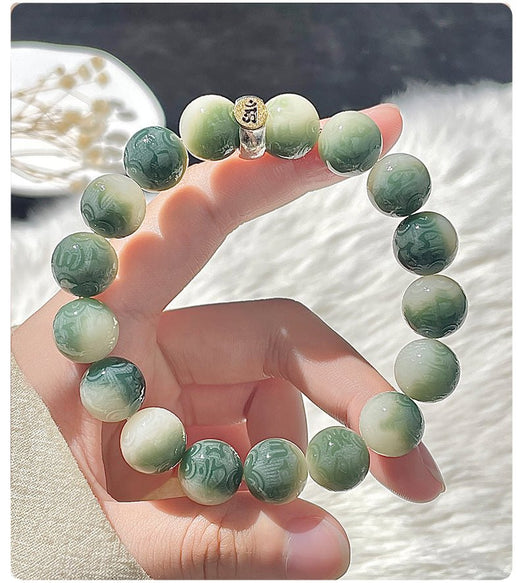
A wrist mala, or a mala bracelet, is a smaller version, often with 21 or 27 beads (divisors of 108). They are perfect for wearing daily as a constant reminder of your intention and for shorter, on-the-go meditation sessions.
Both serve as sacred tools, but the full mala is the traditional instrument for a complete Japa practice.
4. Why 108 beads again? It seems so specific.
The number 108 is profoundly significant in many spiritual and scientific traditions. As mentioned, it's tied to the 108 kleshas (earthly desires) in Buddhist thought, the 108 energy lines converging to form the heart chakra, and astronomical relationships within our solar system.
There are 54 letters in the Sanskrit alphabet, each with a masculine (Shiva) and feminine (Shakti) quality; 54 x 2 = 108. Ultimately, it connects your personal practice to a universal and cosmic rhythm, making each round of mantra a deeply resonant act.
5. What do I do if my wooden or seed mala beads get dull?
Natural wood and seed beads, like sandalwood or bodhi seed, can lose their luster over time due to contact with skin oils or dryness in the air.
Never use water to clean them. Instead, you can rejuvenate them by placing a single drop of a high-quality, natural oil like sandalwood or coconut oil on a soft cloth and gently polishing each bead.
This not only restores their shine but can also enhance their natural fragrance and energetic properties. Do this very sparingly, as too much oil can degrade the cord.
Keep reading