buddhist-jewelry
Authentic Gift Guide for Yogis & Meditators
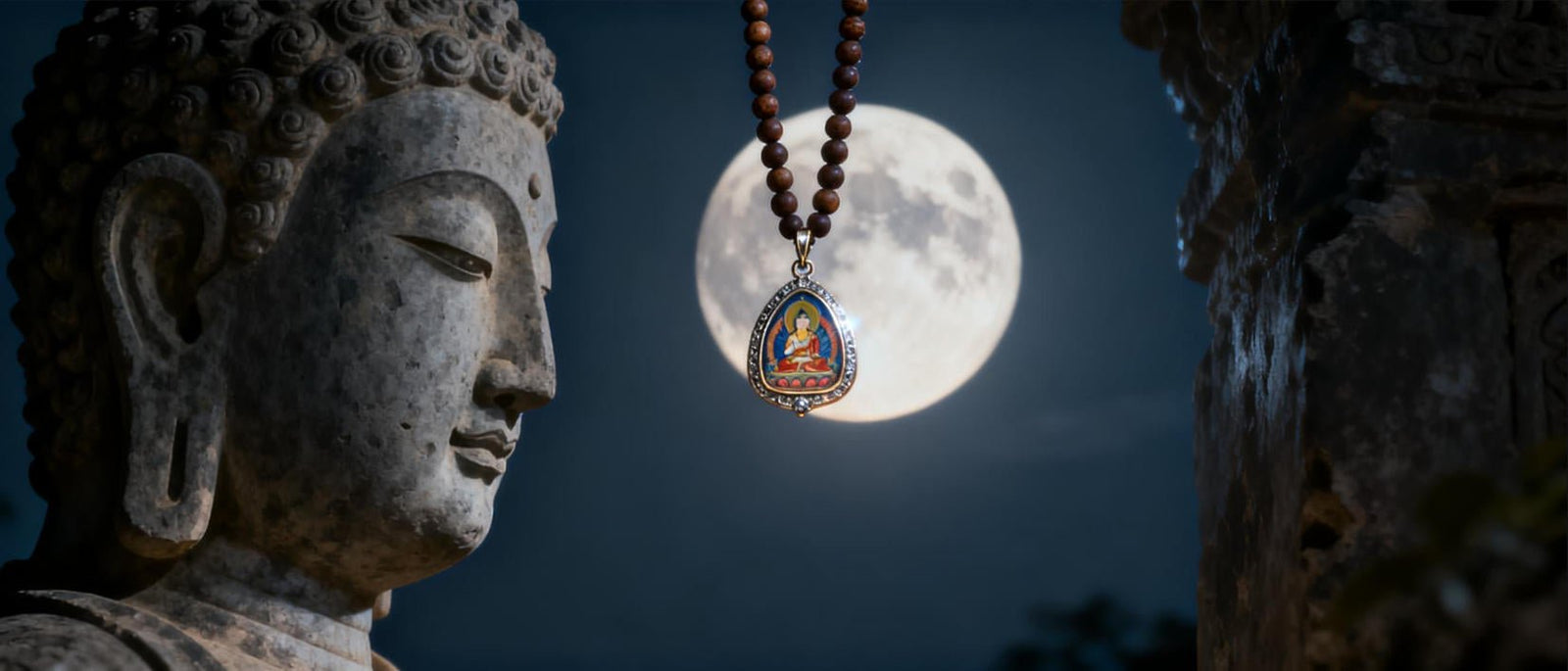
You want to give a gift that matters. Not something that will be politely received and then collect dust on a shelf, but something that breathes, that integrates, that becomes part of someone's story.
You're looking for a tool for their well-being, a touchstone for their spirit, a quiet companion on their journey inward. Yet, standing in the overwhelming glare of commercial options, where endless products shout for attention, the search for genuine meaning can feel hopeless, even hollow.
This guide is your antidote. It’s a map back to intention. We believe that the most powerful gifts are not only objects, but vessels of energy, history, and purpose. They are extensions of your care for another person.
We've curated our most impactful pieces from the heart of Tibetan tradition, matching them to the soul, not only the shelf. Here, you won't just find a present; you'll find a key to a quieter mind, a braver heart, or a more connected spirit.
Let this be your guide to choosing a gift that resonates long after it's unwrapped.
Crafted by hand at partner monasteries in Nepal and Tibet, each piece is made by skilled artisans following traditional Himalayan methods, then consecrated by resident monks.

Spiritual Gift is gift Guide for Meditators, Yogis, and Seekers: Find Meaningful Presents Gift Guide for Meditators, Yogis, and Seekers: Find Meaningful Presents You want to give a gift that matters.
The Art of Gifting with Intention: Beyond the Material
Before you explore specific items, take a moment to consider the art of intentional gifting itself. A truly meaningful gift begins not with a search for an object, but with a quiet observation of the person you wish to honor.
What is the unspoken need in their life right now? What are their subtle aspirations? A gift becomes profound when it says, "I see you. I see the path you are walking, and I want to offer something to support your steps."
This is a departure from the transactional nature of modern gift-giving. Instead of asking "What can I buy them?", you ask, "What energy would serve them?" Are they working through a period of intense stress and need an anchor for calm?
Are they celebrating a personal breakthrough and could use a symbol of their inner strength? Are they deepening a long-standing practice and would appreciate a tool of authentic craftsmanship? Your intention infuses the object with a purpose that the recipient will feel every time they see it, touch it, or wear it.
Think of the gift as a silent mantra, a prayer you are offering for their well-being. A bracelet isn't just adornment; it's a wearable reminder to breathe. A mala isn't just a string of beads; it's a pathway to presence.
A pendant isn't just jewelry; it's a shield of compassion. By choosing with this level of awareness, you participate in their journey, offering a tangible piece of support that transcends the material and speaks directly to their spirit.
For the Overwhelmed Beginner: Gifts of Gentle Grounding
You know this person well. They might be a friend, a partner, or even yourself. They're new to the path of mindfulness, curious but perhaps a little cautious. Their life feels loud, a constant barrage of notifications, deadlines, and responsibilities.
They express a deep yearning for quiet, for an anchor in the storm of modern existence. They don't need complex dogma or rigid practices. They need something approachable, beautiful, and effective—a gentle introduction to spiritual tools that feels like an invitation, not an obligation.
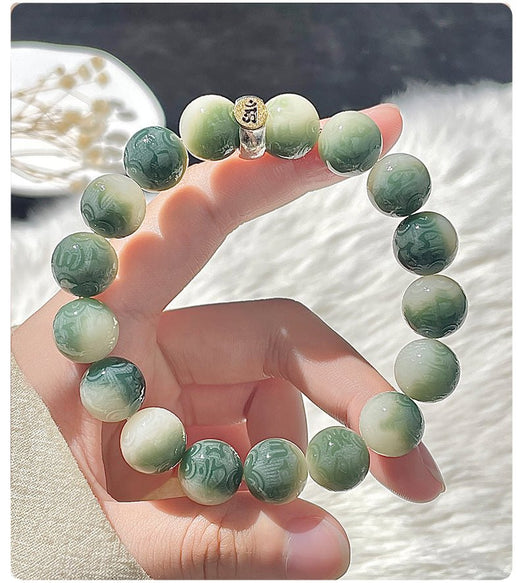
A Bodhi Seed Mala Bracelet: A full 108-bead mala can feel intimidating to someone just starting out. A wrist mala, however, offers the same grounding presence in a wearable, discreet form. The Bodhi seed holds a particularly sacred significance.
It comes from the Ficus religiosa tree, the very species of tree under which Siddhartha Gautama sat for 49 days until he achieved enlightenment and became the Buddha. Each small, earthy seed is a direct link to that moment of profound awakening.
Its slightly textured surface is perfect for tactile meditation; simply rolling the beads between the thumb and fingers during a moment of anxiety can calm a racing mind. It's a gift that says, "Your peace matters, and here is a simple, beautiful way to find it."
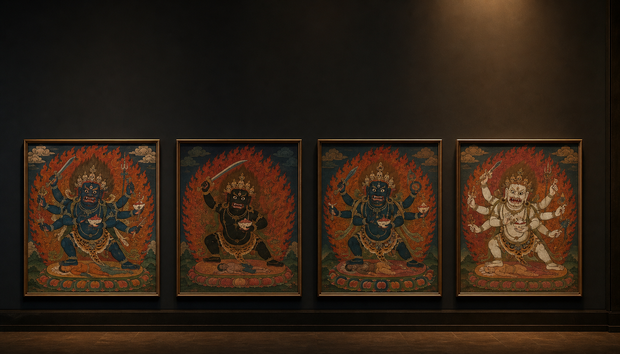
A Small Thangka Pendant: Thangkas are traditional Tibetan Buddhist paintings, intricate masterpieces of spiritual art depicting deities, mandalas, or philosophical concepts. A pendant-sized Thangka encases a miniature print of this sacred art in a protective frame, transforming it into a wearable blessing.
This gift requires no active practice from the recipient. They can simply wear it and receive its silent benefits. Consider a pendant of Green Tara, the female bodhisattva of compassion and swift action, who offers protection from fear.
Or perhaps the Medicine Buddha, whose serene image is a constant reminder of the potential for healing within and without. It's a piece of portable sanctuary, offering protection and a beautiful reminder of compassion without requiring any specific knowledge.
A Hand-Hammered Singing Bowl: For a truly immersive experience, a small singing bowl is an unparalleled gift. The history of these bowls is ancient, rooted in the Himalayan regions for meditation and healing. The remarkable quality is in the resonance.
When the wooden mallet is circled around the rim, the bowl produces a rich, resonant hum that seems to move through the very cells of the body. This sound has been shown to calm the nervous system and quiet mental chatter.
It's an interactive gift. It invites your loved one to stop, to create a sound, and to listen. It's a ritual in a box, a simple, five-minute ceremony of peace they can perform to start their day or wind down at night.
For the Dedicated Yogi: Gifts for Depth and Alignment
This person's practice is a cornerstone of their life. Their yoga mat is their sanctuary, their meditation cushion a sacred space. They understand the flow of prana, the importance of alignment, and the power of setting an intention.
They have moved beyond the basics and are now seeking tools that can enhance and deepen their existing practice. For them, authenticity, craftsmanship, and the specific qualities of a piece are paramount. A gift for the dedicated practitioner should honor their commitment and provide a new layer of meaning to their journey.
A 108-Bead Yak Bone Mala: This is a gift for the serious meditator. In Tibetan culture, the yak is a revered animal, a symbol of strength and survival in the harsh Himalayan landscape. Nothing is wasted, and using its bone for sacred objects is a profound way of honoring the animal's life and a powerful contemplation on the Buddhist teaching of impermanence.
The stark, primal presence of yak bone is believed to be deeply protective, helping to shield the practitioner's focus as they journey inward during deep meditation or pranayama. It is a potent tool for confronting difficult truths and developing resilience.
Gifting a yak bone mala is a gesture of deep respect for their dedication, acknowledging the courage it takes to explore the inner world.
Sandalwood or Rudraksha Mala: If the intensity of bone feels like too much, consider the unique properties of sacred wood or seeds. A Sandalwood mala is renowned for its soothing, fragrant aroma, which has been used for centuries to calm the mind and aid in concentration.
The scent itself is a form of aromatherapy, promoting a state of tranquility ideal for meditation. Rudraksha seeds, on the other hand, have a different quality. Known as "Shiva's tears" in Hindu tradition, these textured seeds are associated with protection, focus, and vitality.
They have a grounding, electric quality that can help a yogi feel more present and powerful in their asana practice. The choice between them depends on the practitioner's current focus: gentle calming (Sandalwood) or fierce focus (Rudraksha).
A Set of Tingsha (Tibetan Cymbals): Every dedicated practitioner appreciates the power of ritual to frame their practice. Tingsha are small, high-pitched cymbals, joined by a leather cord. When struck together, they produce a single, pure, and beautifully resonant tone that hangs in the air.
Traditionally, they are used to mark the beginning and end of a meditation session. The initial chime clears the space of stagnant thought and calls the mind to attention. The final chime gently brings the practitioner back from their inner state into the present moment.
It's a gift that elevates their practice from a routine to a ceremony, adding a layer of sonic purity to their sacred space.

For the Seeker of Wisdom: Gifts That Teach and Inspire
This individual is a philosopher at heart. Their path may not be on a yoga mat or meditation cushion, but in the pages of books, in deep conversation, and in quiet contemplation. They are drawn to the "why" behind the practices—the rich symbolism, the ancient philosophies, and the universal truths that underpin spiritual traditions.
For this seeker, a gift should be a catalyst for insight, a beautiful object that is also a profound teaching. They appreciate symbols that carry stories and spark new understanding about the nature of reality and the mind.
A Dorje (Vajra) Pendant: The Dorje (Tibetan) or Vajra (Sanskrit) is one of the most powerful symbols in Tibetan Buddhism. It represents the indestructible nature of enlightenment, as firm and unshakeable as a diamond.
It also symbolizes the irresistible force of compassion, like a thunderbolt that cuts through ignorance. This double meaning—unbreakable essence and powerful action—makes it a perfect symbol for the seeker of wisdom. It represents the very qualities they are trying to cultivate: clarity of mind that cannot be disturbed and the compassionate action that arises from that clarity.
A Dorje pendant is a wearable piece of philosophy, a reminder of the unshakeable potential of the enlightened mind that resides within us all.
A Mandala Tapestry or Pendant: A mandala is far more than a beautiful geometric pattern; it is a spiritual map of the cosmos and a blueprint of the enlightened mind. Each intricate detail, from the outer rings of fire representing transformation to the central deities symbolizing core aspects of consciousness, is rich with meaning.
Gifting a mandala, whether as a wall tapestry to create a focal point for contemplation or as a pendant to wear close to the heart, is offering a tool for wholeness. Meditating upon a mandala can help organize the inner world, bringing a sense of order and harmony to a scattered mind.
It's a gift for the creative soul, the systems thinker, and anyone who finds beauty and meaning in the interconnectedness of all things.
Lotus Symbol Jewelry: The lotus flower is a universal symbol of spiritual awakening, and its story is a perfect metaphor for the seeker's journey. The lotus seed begins its life in the dark, murky mud at the bottom of a pond.
It slowly pushes its way up through the murky water, reaching for the unseen light. When it finally breaks the surface, it blossoms into a flower of exquisite beauty and purity, untouched by the mud from which it came.
This journey represents the path of the human spirit: rising from the suffering and confusion of ordinary life (the mud) to attain the purity and clarity of enlightenment (the blossom). A lotus pendant or bracelet is a deeply encouraging gift, a beautiful a sign of their own journey of growth and transformation.
For the Healer and Empath: Gifts of Protection and Renewal
This is the person who gives. They are the caregiver, the therapist, the teacher, the parent, the endlessly supportive friend. They hold space for others, listen with an open heart, and absorb the emotional weight of those around them.
Because they are so open, they are also vulnerable to depletion and burnout. The most meaningful gift you can offer them is not another demand on their presence, but a tool for their own self-preservation, cleansing, and renewal.
These are gifts of personal hygiene, helping them protect their own light so they can continue to shine for others.
A Black Obsidian or Tourmaline Bracelet: Certain stones are renowned for their protective qualities. Black Obsidian, a volcanic glass, is a powerful cleanser. It is believed to act like a psychic vacuum cleaner, absorbing negativity, stress, and emotional baggage from one's presence.
It is a grounding stone that connects you to the earth's stabilizing presence. Black Tourmaline, on the other hand, is said to work more like a protective shield. It doesn't just absorb negativity; it actively repels it, creating a protective barrier around the wearer.
For the empath who feels everything, a bracelet made of these stones is a practical tool for daily life. It's a simple, beautiful way for them to guard their focus and avoid feeling drained by their interactions.
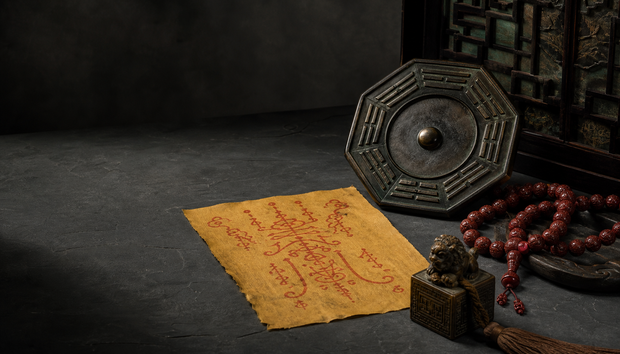
A Tibetan Gau Box Pendant: A Gau is a traditional Tibetan prayer box, a small, portable shrine worn as a pendant. Historically, these boxes were used to carry sacred relics, medicinal herbs, or mantras written on tiny scrolls, keeping blessings and protection close to the heart.
This is a deeply personal and potent gift for a healer. The Gau itself is often beautifully crafted with auspicious symbols, but its true power lies in what it can hold. Before gifting it, you can place a tiny, hand-written note inside with a blessing for their well-being, or a pinch of a cleansing herb like sage.
It becomes a vessel for your intention, a secret source of strength and protection they can carry with them always.
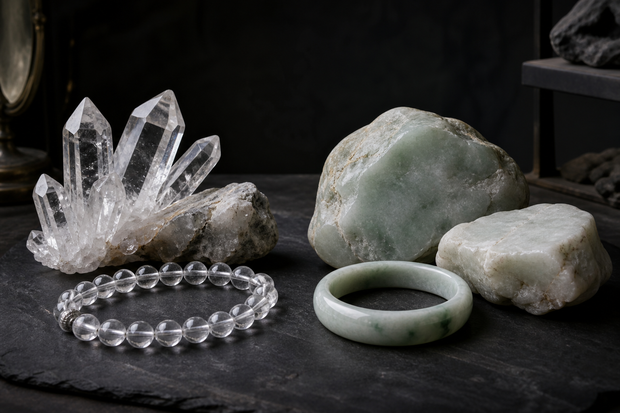
A Clear Quartz Crystal Point: Known as the "Master Healer," Clear Quartz is one of the most versatile and powerful crystals. Its primary property is amplification. It amplifies presence, thought, and the effect of other crystals.
For a healer, it can be used to amplify their own intentions for healing, both for themselves and others. It is also programmable. You can suggest they hold the crystal, take a few deep breaths, and set a clear intention for it—for example, "May this crystal help me maintain clear focused boundaries." They can then place it on their desk, in their therapy room, or by their bed to continuously carry that intention into their environment.
It's a gift of clarity, empowerment, and conscious intention management.
How to Choose: Listening with Your Heart
As you've seen, the options are as varied and nuanced as the people you love. The path to the perfect gift isn't about memorizing the properties of every stone or symbol. It's about returning to that initial, quiet observation.
Now, with this new knowledge, you can refine your intuition. Let these questions guide you:
- What is their current life chapter? Are they embarking on a new venture (protection, courage)? Are they healing from a loss (compassion, renewal)? Are they celebrating a success (gratitude, abundance)? Match the character of the gift to the quality of their life right now.
- What is their relationship to practice? Are they just dipping their toes in (something simple and beautiful)? Are they a seasoned practitioner (a tool for depth and authenticity)? Are they more of a thinker and reader (a gift rich in symbolism)?
- What focus do they need most? This is the most important question. Close your eyes and think of them. Do they need grounding to calm their anxiety? Do they need inspiration to fuel their creativity? Do they need protection to preserve their sensitive spirit? Trust the feeling that arises. That feeling is your most reliable guide.
Remember, you are not only buying an object; you are offering a specific, heartfelt intention for their well-being. The story behind the piece—the history of the Bodhi seed, the meaning of the Dorje, the journey of the lotus—is part of the gift itself.
Share that story with them. Let them know why you chose this specific piece for them. This act of sharing transforms the gift from a simple present into a profound connection, a a sign of the fact that you truly see them on their path.
Frequently Asked Questions
1. What is a mala and how is it used?
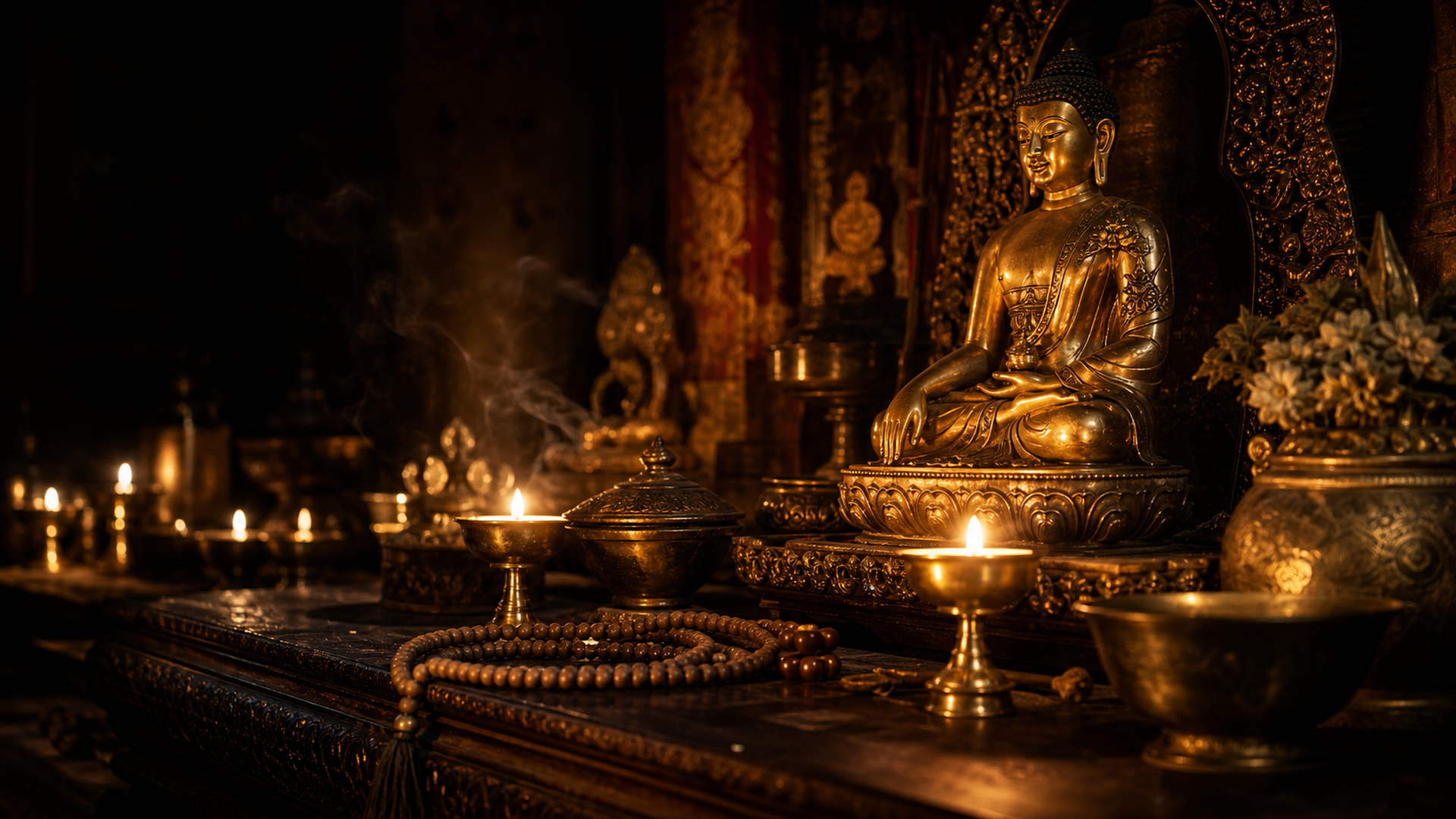
A mala, meaning "garland" in Sanskrit, is a string of beads used in meditation and prayer. Traditionally composed of 108 beads plus a "guru" bead, it is used to count mantras, breaths, or affirmations.
Holding the mala in your hand, you use your thumb to turn each bead as you recite your chosen mantra. This practice, known as Japa meditation, helps to focus the mind, calm the nervous system, and infuse your being with the presence of the mantra.
2. What's the significance of the 108 beads?
The number 108 is sacred across many spiritual traditions. While there are numerous explanations, some of the most common include: there are said to be 108 lines of subtle currents converging to form the heart chakra; the diameter of the Sun is 108 times the diameter of the Earth; and there are 108 Upanishads, the sacred texts of wisdom.
Ultimately, it represents the universe, the wholeness of existence, and the spiritual journey toward completion.
3. How do I care for my mala or spiritual jewelry?
Treat your spiritual jewelry with respect and care. Avoid wearing it in water, especially pieces made of wood or seeds, as this can damage them over time.
To cleanse it, you can leave it in the light of a full moon overnight, smudge it with sage or palo santo smoke, or place it on a selenite charging plate. Store it in a soft pouch when not in use to protect it from scratches.
4. Is it okay to wear Buddhist symbols if I'm not a Buddhist?
Absolutely. The symbols and tools of Tibetan Buddhism carry universal messages of compassion, wisdom, peace, and inner strength that can resonate with people of any faith or background.
Wearing these symbols is often seen as a way of aligning yourself with these positive qualities and intentions. The key is to wear them with respect and an appreciation for their profound meaning, rather than as a mere fashion accessory.
5. What's the difference between a wrist mala and a full 108-bead mala?
A full 108-bead mala is the traditional tool for a complete Japa meditation practice, allowing you to recite a mantra 108 times.
A wrist mala, typically with 21 or 27 beads, is a more portable and convenient version. It's perfect for shorter meditation sessions (you can go around it four or five times to approach 108) or, more commonly, as a wearable, tactile reminder throughout the day to stay mindful, present, and connected to your intention.
Keep reading