buddhist-jewelry
Sacred Thangka Art — A Guide to Home Blessings
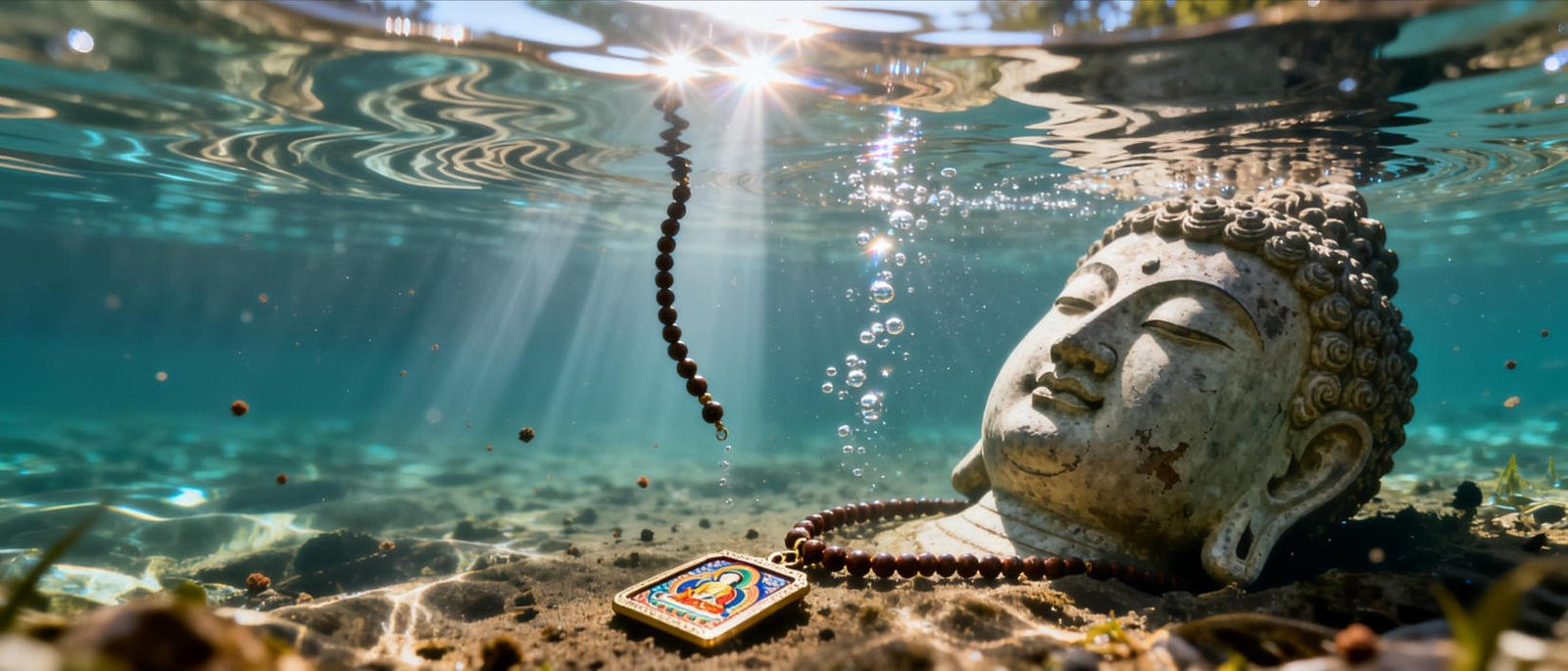
For deeper context on the tradition behind this practice, see Tibetan Buddhist tradition on Wikipedia.
Sacred Thangka Art for Your Home
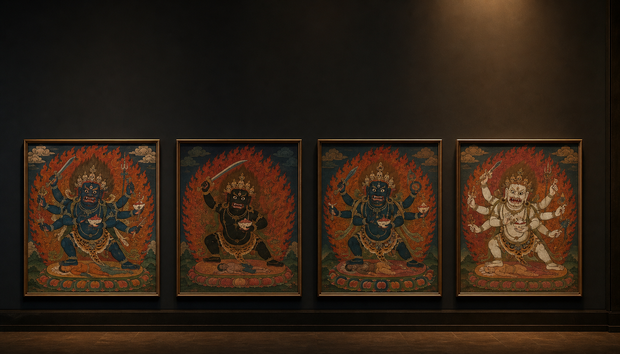
When you first encounter a genuine Thangka painting, the experience is unlike viewing regular art. There's an immediate, palpable shift in the atmosphere. The colors, ground from minerals and precious stones, seem to glow with their own inner light.
The intricate, impossibly fine details of deities, landscapes, and symbols pull you closer, inviting you into a world of profound meaning. A sense of deep, resonant peace begins to fill the room, a stillness that quiets the mind.
This isn't just decoration; it's a window into centuries of Tibetan Buddhist tradition, a spiritual technology made visible and tangible.
A Thangka is a direct transmission of wisdom, a focal point for meditation, and a source of powerful blessings for your environment. At Buddhabelief, we are honored to partner with artists who have dedicated their lives to mastering this sacred craft.
Our Thangka Home Decor collection is curated to bring this authentic spiritual art into modern homes, allowing you to create a sanctuary of peace and intention while respecting the deep spiritual roots from which this art springs.

Thangka Wall Art Home is sacred Thangka Art for Your Home For deeper context on the tradition behind this practice, see Tibetan Buddhist tradition on Wikipedia .
The Luminous Soul of Tibetan Art: What is a Thangka?
A Thangka (Tibetan: ཐང་ཀ་) is a traditional Tibetan Buddhist painting, typically on a cotton or silk appliqué canvas, which can be rolled up like a scroll. The name itself translates to "recorded message," a perfect description of its function.
Unlike Western art, which often prioritizes the artist's personal expression, a Thangka is a work of divine revelation. The artist is not an inventor but a conduit, meticulously following ancient, sacred prescriptions to bring a vision of enlightenment into the physical world.
The origins of Thangka painting are ancient, with roots tracing back to the 7th century in Tibet, intertwined with influences from Nepalese and Chinese scroll painting. Itinerant monks and teachers would carry these rolled-up scrolls with them on their journeys through the Himalayan mountains.
When they arrived in a village, they would unroll a Thangka depicting the life of the Buddha or a particular deity and use it as a visual aid to teach the Dharma. The Thangka was a portable monastery, a visual scripture that transcended language barriers.
Every element within a Thangka is prescribed by Buddhist scriptures (sutras and tantras). The proportions of a deity's body, the color of their skin, the objects they hold (their attributes), and the gesture of their hands (mudras) are all part of a rich symbolic language.
The artist's role is to render this divine blueprint with perfect accuracy, devotion, and skill. This adherence to tradition ensures that each Thangka is not only a beautiful image, but an accurate spiritual map, a tool designed to guide you on your own path to inner peace and wisdom.
A Sacred Blueprint: The Meticulous Creation of a Thangka
Creating a Thangka is not merely an artistic endeavor; it is a profound spiritual practice, a form of meditation that can take weeks, months, or even years to complete. The process itself infuses the canvas with layers of positive intention and sacred presence, making the finished piece a powerful spiritual object before it ever reaches your home.
A traditionally trained artist follows a rigorous, multi-step process passed down through generations.
First, the canvas is prepared. A piece of cotton or silk is stretched tightly on a wooden frame. A special mixture of chalk, gesso, and a natural glue is then painstakingly applied in thin layers and polished with a smooth stone or shell.
This creates a flawless, marble-like surface ready to receive the sacred pigments.
Next comes the foundational drawing. The artist does not simply sketch from imagination. They use a system of iconometric grids—a precise matrix of lines and geometric proportions dictated by scripture—to ensure the deity is rendered with perfect, divine form.
This sacred geometry is considered essential for the Thangka to be an effective tool for visualization and meditation.
The colors are a world unto themselves. Traditional Thangka artists create their own paints from natural, organic sources. The vibrant blues are ground from lapis lazuli, fiery reds from cinnabar, lush greens from malachite, and brilliant yellows from orpiment.
These mineral pigments, along with colors derived from plants and flowers, are mixed with a binder like yak-skin glue. This is why Thangkas have a unique, matte luminosity that synthetic paints can never replicate.
The use of genuine 24k gold, applied with breathtaking precision for halos, ornaments, and brocade patterns, adds a celestial radiance to the painting.
Throughout the entire painting process, the artist maintains a state of meditative focus. They often begin their day with prayers and purification rituals. While painting, they will softly recite the mantras associated with the deity they are depicting.
This continuous recitation channels the energy and blessings of the enlightened being directly into the artwork. The final, most crucial step is the "opening of the eyes." With a special ritual and the utterance of specific syllables, the artist paints the eyes of the deity, symbolically inviting the spirit of the enlightened being to inhabit the image.
Only then is the Thangka considered complete and spiritually alive.
Decoding the Divine: How to Read the Symbolism in Your Thangka
A Thangka is a visual Dharma talk, a story told in a language of symbols, colors, and gestures. Learning to read this language transforms your experience from passive viewing to active engagement with the wisdom it contains.
Every detail is intentional and carries a specific meaning designed to awaken qualities within you.
Colors are one of the primary symbolic layers. The Five Wisdom Buddha families are each associated with a color that represents a transformed aspect of a negative emotion:
- White (Vairocana): Represents the all-pervading wisdom of Dharma. It transforms the poison of ignorance into the wisdom of reality.
- Blue (Akshobhya): Represents the mirror-like wisdom. It transforms the poison of anger and hatred into clarity and purity. This is the color of the Medicine Buddha, symbolizing healing.
- Yellow (Ratnasambhava): Represents the wisdom of equanimity. It transforms the poison of pride and ego into the wisdom of oneness.
- Red (Amitabha): Represents the wisdom of discernment and compassion. It transforms the poison of desire and attachment into loving-kindness.
- Green (Amoghasiddhi): Represents the all-accomplishing wisdom. It transforms the poison of jealousy and envy into fearless action and accomplishment. This is the color of Green Tara.
The deities themselves are archetypes of enlightened qualities:
- Medicine Buddha (Bhaisajyaguru): Depicted with deep blue skin, he holds a bowl of medicinal nectar and a myrobalan plant, known as the "king of medicines." His presence is a powerful remedy for physical, mental, and spiritual suffering. A Medicine Buddha Thangka is ideal for spaces dedicated to healing and well-being.
- Green Tara (Syamatara): Known as the "Mother of Liberation," she embodies the active, swift compassion of all Buddhas. Her green color signifies her ability to accomplish all actions. She is shown with one foot extended, ready to spring into action to help those who call upon her. She is a protector who removes obstacles and fears.
- White Tara (Sitatara): A counterpart to Green Tara, she embodies the qualities of maternal compassion, healing, and longevity. She is often depicted with seven eyes (on her forehead, palms, and soles) to show that she sees all the suffering in the universe. A White Tara Thangka brings peace, health, and tranquility.
- Mandala Designs: A mandala is a Sanskrit word for "circle," but it is much more than a geometric design. It is a celestial palace, a cosmic diagram representing the enlightened mind and the universe. Meditating on a mandala helps to reintegrate your own consciousness with the divine order, bringing about inner balance and focus.
- Auspicious Symbols (Ashtamangala): These are the Eight Auspicious Symbols of Tibetan Buddhism, often depicted together. They include the Parasol (protection), the Golden Fish (fearlessness), the Treasure Vase (abundance), the Lotus (purity), the Conch Shell (the sound of the Dharma), the Endless Knot (interdependence), the Victory Banner (triumph over negativity), and the Dharma Wheel (the Buddha's teachings). A Thangka with these symbols brings general blessings and positivity to a space.

Choosing Your Spiritual Companion: Selecting the Right Thangka for Your Life
Choosing a Thangka is a deeply personal and intuitive process. It is less about matching colors to your decor and more about inviting a specific quality or spiritual focus into your life. Consider what you wish to cultivate within yourself and your environment.
Think about your current life circumstances and intentions. Are you embarking on a journey of healing? Perhaps you feel a pull towards the serene, compassionate gaze of the Medicine Buddha. His presence can serve as a constant reminder of your own innate capacity for wholeness and recovery.
Imagine you are seeking to cultivate more compassion and fearlessness in your daily interactions, to act with kindness even when faced with challenges. A Thangka of Green Tara could be your spiritual ally. Her dynamic posture and compassionate expression can inspire you to move through the world with an open heart and swift, helpful action.
When you pair the visual focus of her Thangka with a dedicated mantra practice, perhaps using a set of traditional mala beads, you create a resonant connection for inner transformation.
If you are looking to deepen your meditation practice and bring more focus and order to a chaotic mind, a Mandala Thangka is an unparalleled tool. Its intricate, perfect geometry acts as a visual anchor, guiding your mind from the outer chaos to the still, silent center within.
It becomes a map for your inner journey toward peace.
You can also choose a Thangka based on the quality you want to cultivate in a specific room:
- Living Room: A Thangka of the Eight Auspicious Symbols or a welcoming White Tara can create an atmosphere of peace, blessings, and hospitality for your family and guests.
- Bedroom: The protective presence of Green Tara or the calm feeling of the Medicine Buddha can foster a sense of safety and deep, restorative rest.
- Meditation Space or Altar: This is the ideal place for a Thangka of a deity you have a strong personal connection with, such as Shakyamuni Buddha, or a complex Mandala to serve as a primary focus for your practice.
- Office or Studio: To cultivate clarity, wisdom, and the removal of obstacles in your work, consider a Thangka of Manjushri, the Bodhisattva of Wisdom, who wields a flaming sword to cut through ignorance and confusion.
Creating a Sacred Space: How to Place and Care for Your Thangka
Bringing a Thangka into your home is an invitation for sacred presence to reside with you. How you place and care for it is an extension of your respect for its spiritual significance. The placement is not about rigid rules but about creating a relationship of reverence with the art and the wisdom it represents.
Traditionally, a Thangka should be hung in a high, clean, and respected place in your home. It should never be placed on the floor, in a bathroom, or in a location where people's feet would point towards it.
The ideal height is at eye level when you are seated for meditation. This honors its purpose as a spiritual support and allows you to easily engage with its details during your practice.
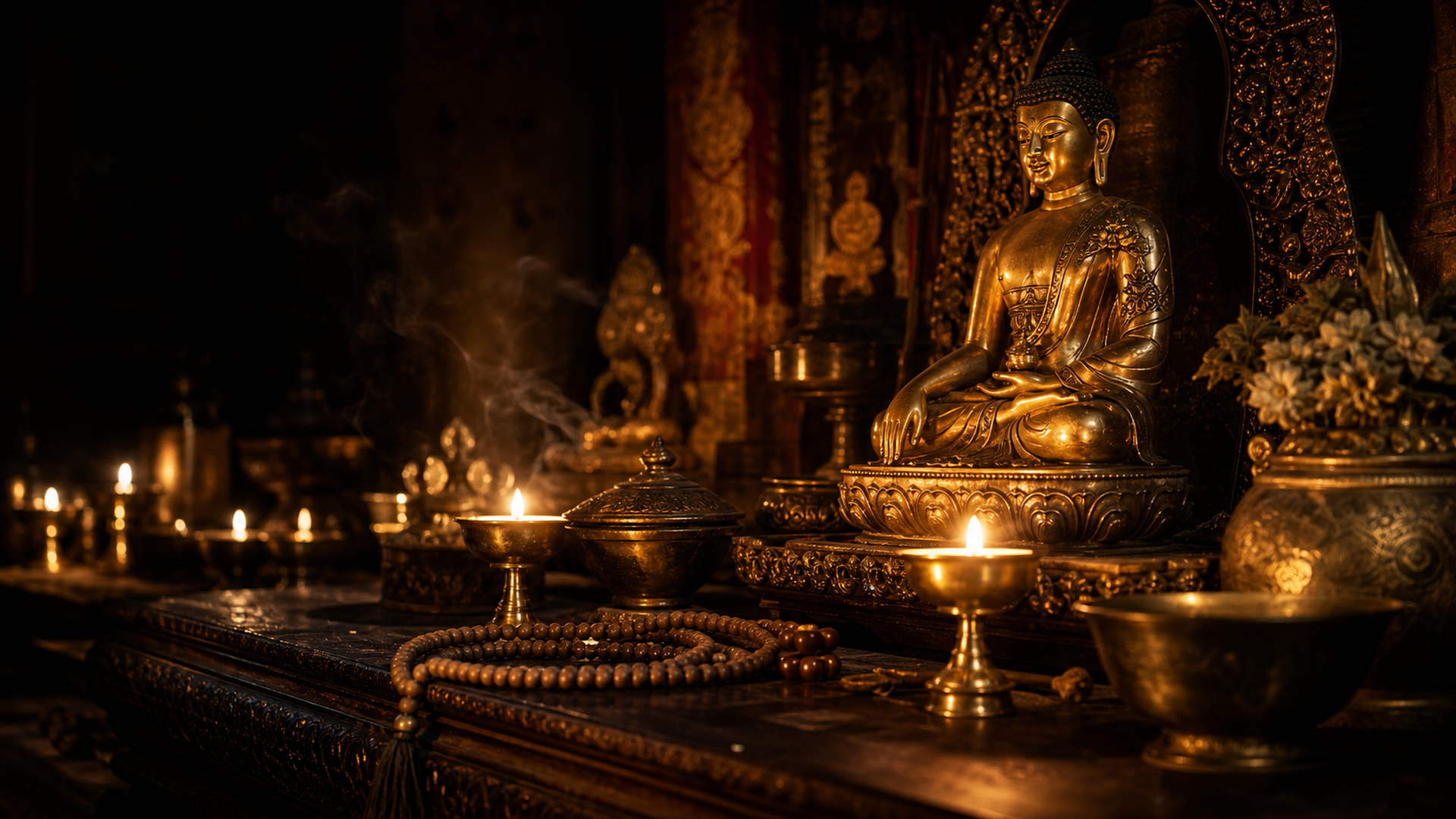
When you first hang your Thangka, you can perform a simple ceremony to set your intention. Light a stick of incense, hold your palms together at your heart, and silently or aloud, state why you have brought this Thangka into your home.
You might say, "May this image of the Medicine Buddha bring healing and peace to all who enter this space," or "May this Mandala help me find focus and clarity in my meditation." This simple act of mindfulness forges a conscious connection between you, your space, and the sacred art.
Caring for your Thangka ensures its longevity for generations to come. The most important considerations are light and moisture.
- Avoid Direct Sunlight: The natural mineral pigments are light-fast but can fade over many years with constant, direct exposure to UV rays. Hang your Thangka on a wall that does not receive harsh, direct sunlight.
- Avoid Moisture: Keep your Thangka away from humid areas like kitchens or bathrooms. Moisture can cause the canvas to warp, the pigments to run, and can damage the delicate silk brocade.
- Gentle Cleaning: Never use water or cleaning solutions on the painted surface. If the Thangka becomes dusty, you can gently dust the brocade frame with a very soft, dry brush. The silk veil attached to the top of the brocade is not only decorative; its purpose is to be rolled down to protect the painted surface from dust when not being viewed.
Bridging traditional teachings and Modern Life
A Thangka is far more than a beautiful piece of art; it is a bridge. It connects your modern home to an ancient lineage of wisdom. It connects your inner world of thoughts and emotions to the outer world of archetypal, enlightened energies.
In a world of constant distraction, a Thangka is a powerful anchor to the present moment, a silent teacher offering lessons in peace, compassion, and clarity.
When you welcome a Thangka into your life, you are doing more than decorating a wall. You are curating your own sacred space. You are making a conscious choice to surround yourself with objects that elevate your spirit and remind you of your highest potential.
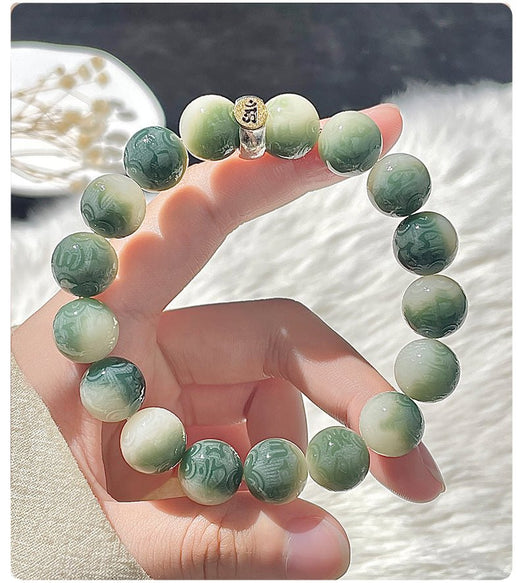
This act of mindful living can extend to all aspects of your life, from the art on your walls to the jewelry you wear. A simple mindfulness bracelet can serve as a tactile reminder of the intentions you set while gazing at your Thangka.
Each Thangka in the Buddhabelief collection is a a sign of the enduring power of this sacred tradition. By supporting the master artists who continue this practice, you become a custodian of this precious heritage.
You are not only buying an object; you are participating in a lineage of devotion. Let a Thangka be the heart of your home, a radiant source of inspiration that guides you back, again and again, to the peace that resides within.
Explore our complete collection to find the sacred art and jewelry that resonates with your personal journey.
Frequently Asked Questions
- Is it disrespectful for a non-Buddhist to own a Thangka?
- Not at all. Owning a Thangka is an act of appreciating a profound spiritual art form. The key is respect. As long as you treat the Thangka with reverence—placing it in a clean, elevated space and honoring its sacred nature—it is perfectly appropriate for anyone, regardless of their personal faith, to bring one into their home for its beauty, peace, and positivity.
- What is the difference between a hand-painted Thangka and a print?
- A hand-painted Thangka is a unique spiritual object created over weeks or months by a trained artist in a meditative state. It is infused with intention, uses traditional mineral pigments that have a unique luminosity, and possesses a tangible spiritual presence. A print is a mechanical reproduction. While it can replicate the image, it lacks the spiritual depth, the artist's devotion, and the unique vibrancy of the natural pigments that make an authentic Thangka a true spiritual tool.
- How can I tell if a Thangka is authentic?
- Authentic Thangkas have several key characteristics. Look for incredibly fine, precise linework, especially in details like faces and hands. The colors, derived from natural mineral and plant pigments, will have a deep, matte, and vibrant quality that synthetic paints cannot replicate. Gold details should be genuine gold leaf, creating a distinct shimmer. Finally, the proportions of the deities will strictly follow the traditional iconometric grids, a hallmark of a properly trained artist.
- Should I have my Thangka blessed or consecrated?
- While a Thangka is inherently sacred due to the process of its creation, having it formally. This is a personal choice. You can also perform your own simple consecration ritual by setting a clear intention for the Thangka's purpose in your home, burning incense, and making a heartfelt offering of gratitude. The goal is to consciously welcome its energy into your space.
- Can I frame my Thangka behind glass?
- Traditionally, Thangkas are not framed behind glass. The silk or cotton canvas is meant to 'breathe,' and the brocade mounting is an integral part of the artwork. The silk veil is used for protection. However, if you live in a particularly humid or dusty environment, modern archival framing with UV-protective, non-glare glass is an acceptable conservation method. Ensure you work with a professional framer who understands how to handle delicate textiles and can create a frame that does not compress the artwork.
Keep reading