Hot
The Spiritual Meaning of Tibetan Energy Jewelry
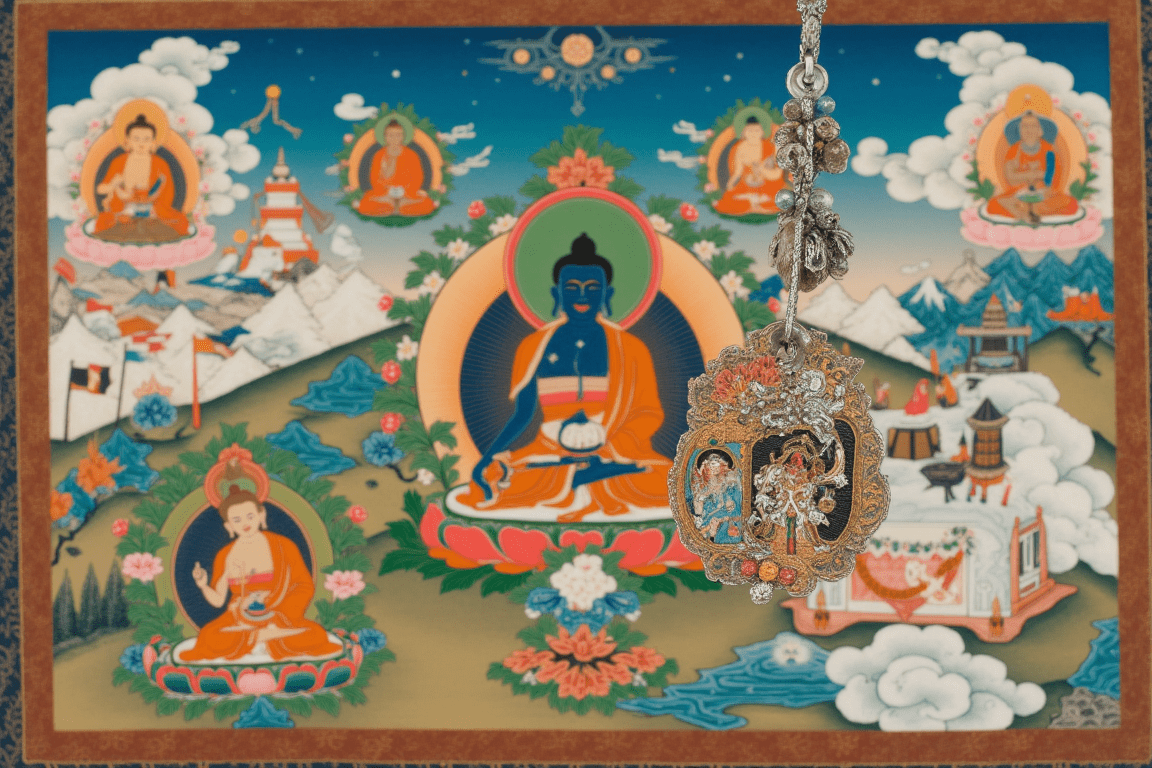
In the vast, windswept landscapes of the Himalayas, where spirituality is woven into the very fabric of daily life, jewelry transcends mere adornment. In Tibetan culture, it is not only an accessory—it’s a channel for divine energy, a tool for spiritual transformation, and a map for cosmic alignment.
Each piece tells a story, a whisper from ancient traditions carried into the modern world. From the rhythmic click of 108 mala beads passing through your fingers to the steady, protective weight of a Thangka pendant resting near your heart, every item carries a unique spiritual power to protect, heal, and guide you on your journey.
This is not simply about wearing something beautiful. It is about consciously choosing a spiritual ally, an object infused with intention and blessed by centuries of devotion. if you are deepening your meditation practice, seeking balance in a chaotic world, or wishing to carry a symbol of divine protection, Tibetan energy jewelry offers a tangible connection to the profound wisdom of the Dharma.
It is a reminder of your own inner potential for enlightenment, compassion, and resilience.

Tibetan Energy Jewelry Mala is the Spiritual Meaning of Tibetan Energy Jewelry The Spiritual Meaning of Tibetan Energy Jewelry In the vast, windswept landscapes of the Himalayas, where spirituality is woven into the very fabric of daily life, jewelry transcends mere adornment.
The Sacred Origins: A Legacy of Craft and Compassion
To truly understand the power of Tibetan jewelry, you must journey back in time, to a land where nature and spirit are inseparable. The materials themselves are gifts from the earth, imbued with significance.
Turquoise, the color of the sky and sacred lakes, was considered a stone of life, health, and protection against the evil eye. Rich, red coral, sourced through ancient trade routes from distant oceans, symbolized the lifeblood, vitality, and preservation of the soul.
These were not only decorative choices; they were essential elements for spiritual and physical well-being.
Long before Buddhism arrived in the 7th century, the shamanistic Bön religion flourished in Tibet. Bön practices were deeply animistic, recognizing spirits in mountains, rivers, and stones. This reverence for the natural world did not disappear with the arrival of Buddhism; instead, it merged, creating a unique spiritual tapestry.
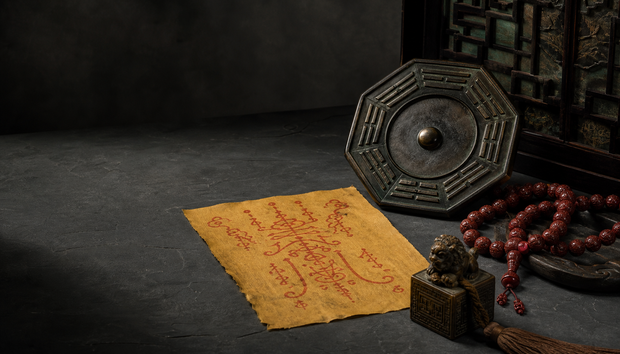
The belief that objects could hold protective and healing energies was integrated into Buddhist philosophy. Amulets, known as gau boxes, were worn to hold sacred relics, mantras, and medicinal herbs, acting as portable shrines for the nomadic peoples who roamed the high plateaus.
Jewelry became a way to carry one’s wealth, status, and, most importantly, spiritual protection across vast and often treacherous lands.
The artisans who craft these pieces are not merely jewelers; they are practitioners continuing a sacred lineage. The creation process is itself a form of meditation. Mantras are often chanted as beads are strung, and symbols are carved with deep concentration and intention.
This infusion of sacred intent is what separates authentic Tibetan jewelry from mass-produced trinkets. Each piece from Buddhabelief is blessed through traditional rituals, ensuring it arrives not as a simple product, but as a consecrated object ready to support your spiritual practice and resonate with your energy.
Mala Beads: Your Companion in Mantra and Meditation
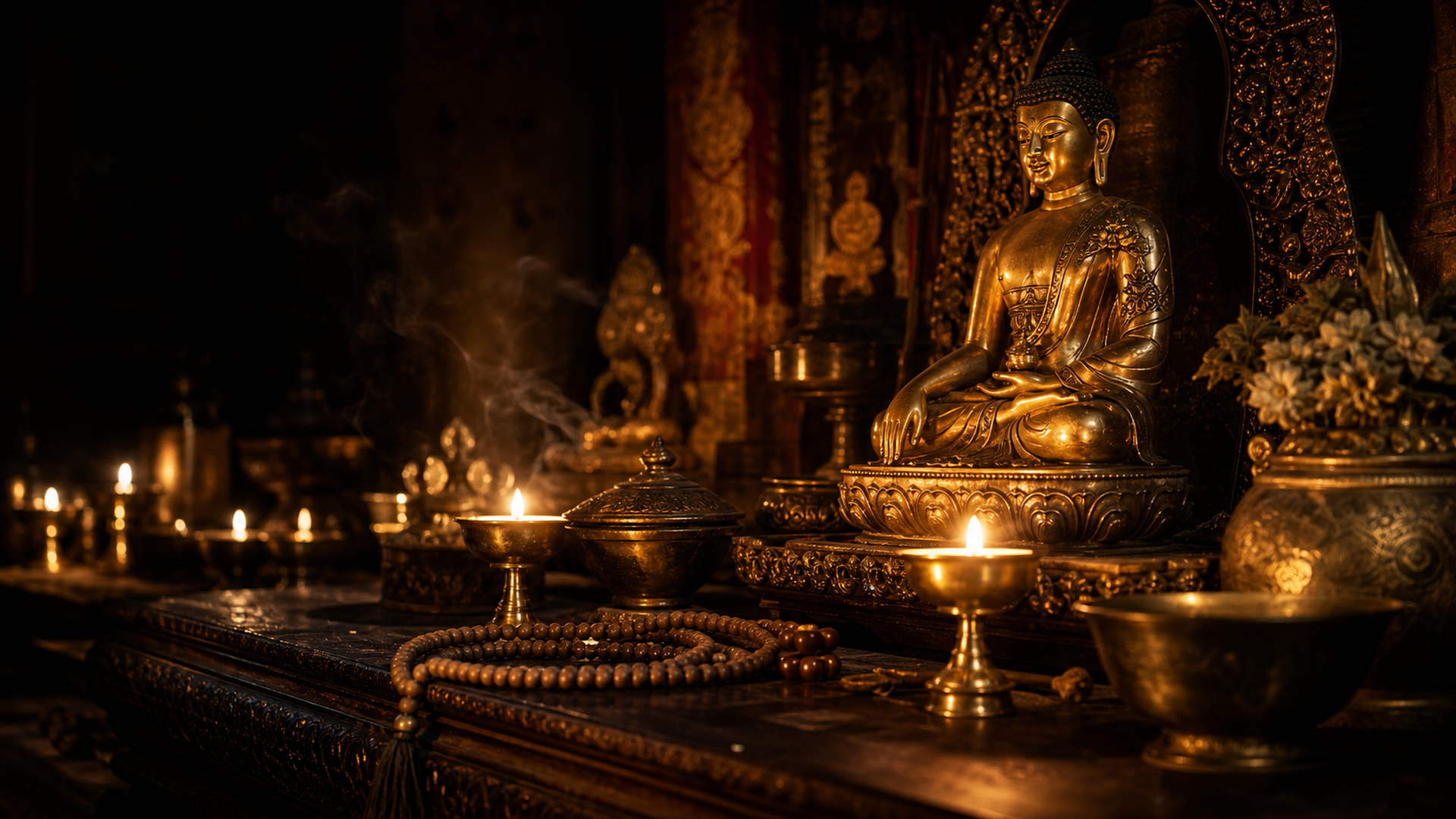
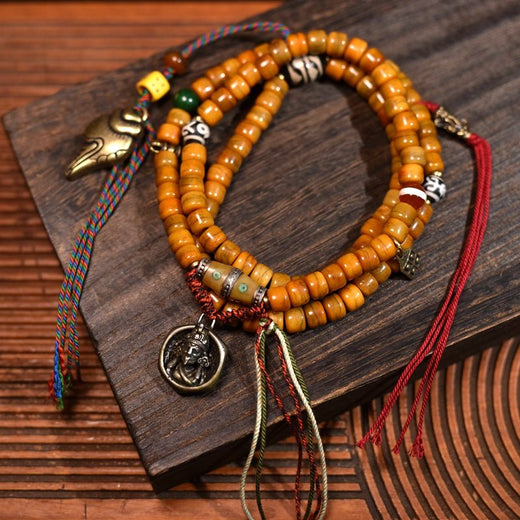
Perhaps the most universally recognized piece of Tibetan energy jewelry is the mala. A mala, or japa mala, is a string of beads used for counting mantras, breaths, or affirmations, guiding the practitioner into a state of focused devotion.
While it appears simple, every element of a traditional mala is rich with symbolism.
The number 108 is profoundly significant in many spiritual traditions. In Buddhism, it is said to represent the 108 earthly desires or afflictions (kleshas) that one must overcome to achieve enlightenment. As you recite your mantra 108 times, passing each bead through your fingers, you are symbolically purifying these defilements.
The number also appears in other cosmic and spiritual contexts: there are 108 recognized Upanishads, 108 sacred sites (pithas) in India, and the diameter of the Sun is approximately 108 times the diameter of the Earth.
Using a 108-bead mala connects your personal practice to this universal rhythm.
The materials from which a mala is crafted lend their own unique energy to your practice:
- Bodhi Seeds: The word "Bodhi" means "enlightenment" in Sanskrit. These seeds come from the Ficus religiosa tree, the same species under which Siddhartha Gautama attained enlightenment and became the Buddha. A Bodhi seed mala is a powerful reminder of your own potential for awakening. Our Vajra Bodhi Mala Bracelet, for instance, uses a particularly potent type of Bodhi seed. "Vajra" means thunderbolt or diamond, symbolizing the indestructible nature of mind and the power to cut through illusion. It is an excellent choice when you seek strength, courage, and unwavering focus.
- Sandalwood and Cypress: These sacred woods are prized for their calming, grounding aroma. The subtle scent released as the beads warm in your hand acts as a form of aromatherapy, helping to soothe an anxious mind and deepen your concentration. If you find your thoughts scattering during meditation, the natural fragrance of a Taihang Cypress Mala can serve as a gentle anchor, bringing you back to the present moment.
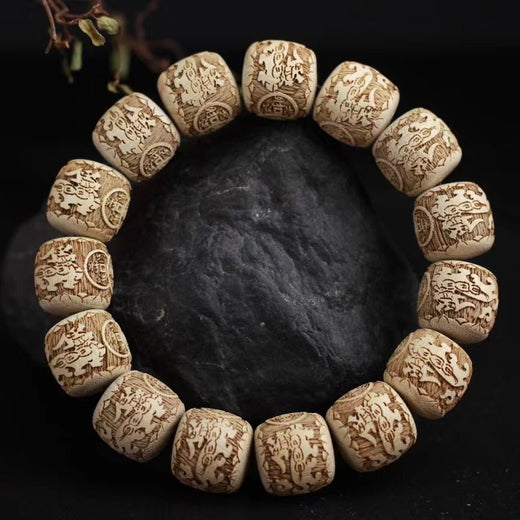
- Zodiac Energy Malas: Tibetan astrology plays a vital role in daily life, and aligning your energy with your personal zodiac can enhance fortune and mitigate obstacles. A piece like the Dragon-Year Lucky Beads is designed to harmonize with the specific energies of that sign, amplifying personal strengths and inviting good fortune.
Practical Guidance: To use your mala, hold it in your right hand, draped between your middle and index fingers. Starting at the bead next to the larger "guru" bead, use your thumb to pull each subsequent bead towards you as you recite your mantra.
When you complete a full cycle of 108 and reach the guru bead, you can pause, or you can turn the mala around and go back in the opposite direction, without crossing over the guru bead.
This practice, known as japa meditation, builds focus, devotion, and a profound sense of inner peace. To find the companion that resonates with your path, you can explore our diverse collection of Mala Beads.
The Five Elements: Finding Balance with Energy Bracelets
Tibetan philosophy, like many traditional teachings traditions, views the universe and everything within it as a composition of five essential elements: Earth (Prithvi), Water (Ap), Fire (Tejas), Air (Vayu), and Space (Akasha).
These are not only physical substances but energetic principles that govern our physical health, emotional states, and spiritual well-being. When these elements are in balance within you, you experience harmony, vitality, and clarity. When they are imbalanced, you may feel scattered, stagnant, or emotionally volatile.
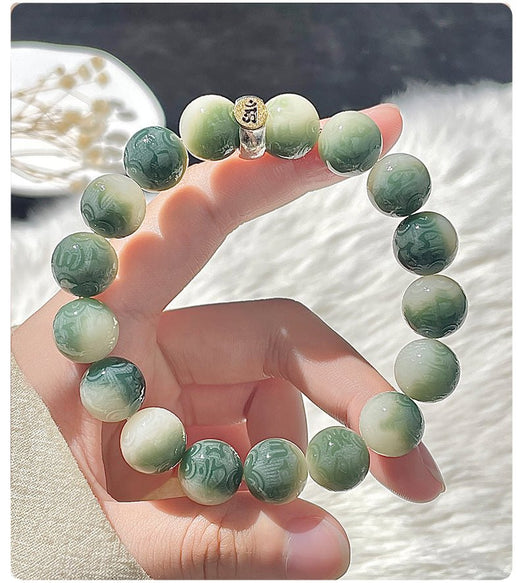
Five-element energy bracelets are designed to be powerful tools for restoring this crucial equilibrium. They use specific colors, stones, and sometimes metals to represent and activate the qualities of each element:
- Earth (Yellow/Brown): This element represents stability, grounding, and nourishment. If you are feeling anxious, disconnected, or "in your head," an Earth-element bracelet can help you feel more rooted and secure. Stones like Tiger's Eye, Jasper, and Agate carry a strong Earth energy.
- Water (Blue/Black): Water governs flow, emotion, intuition, and adaptability. When you feel emotionally stuck, rigid, or creatively blocked, a Water-element bracelet can help dissolve blockages and encourage gentle movement. Lapis Lazuli, Sodalite, and Black Obsidian are excellent stones for this purpose.
- Fire (Red/Orange): Fire is the element of transformation, passion, energy, and courage. If you are experiencing low motivation, a lack of confidence, or an inability to take action, a Fire-element bracelet can ignite your inner spark. Carnelian, Red Jasper, and Garnet are potent Fire stones.
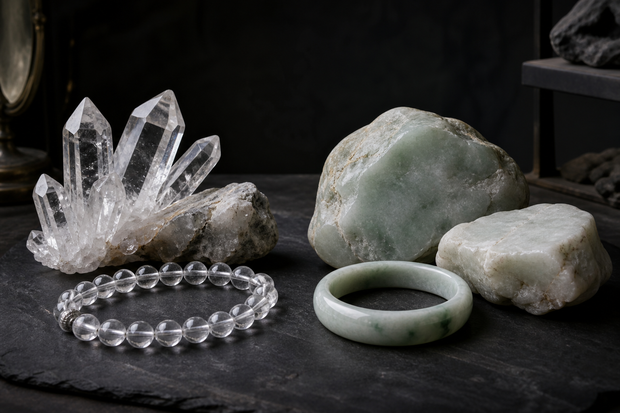
- Air (White/Clear/Light Blue): The Air element is associated with intellect, communication, clarity, and freedom. For times of mental fog, difficulty expressing yourself, or feeling weighed down, an Air-element bracelet can bring lightness and clear perspective. Howlite, Clear Quartz, and Angelite are wonderful choices.
- Space (Purple/Indigo): Space, or Ether, is the element of consciousness, awareness, and potential. It is the container in which all other elements exist. When you wish to expand your spiritual awareness or deepen your meditation, a Space-element bracelet can open the way. Amethyst and Lepidolite are stones that resonate deeply with this expansive energy.
Reader Scenario: Imagine you are starting a new, challenging project at work. You feel a mix of excitement (Fire) and anxiety (an imbalance of Earth and Air). To support yourself, you might choose a bracelet that combines the grounding stability of Tiger's Eye (Earth) with the transformative courage of Carnelian (Fire).
This creates a synergistic effect, helping you stay centered and confident as you move forward. By identifying which elemental energy you need most, you can consciously choose a bracelet to support your specific goals and challenges.
Find your elemental equilibrium within our collection of Tibetan Energy Bracelets.

Sacred Symbols and Blessed Stones: The Power of Energy Necklaces
Worn close to the heart and throat chakras, Tibetan energy necklaces are powerful conduits for spiritual presence, combining sacred symbols with the potent resonance of natural gemstones. These are not only beautiful pendants; they are wearable intentions, designed to attract specific qualities like wealth, healing, and wisdom into your life.
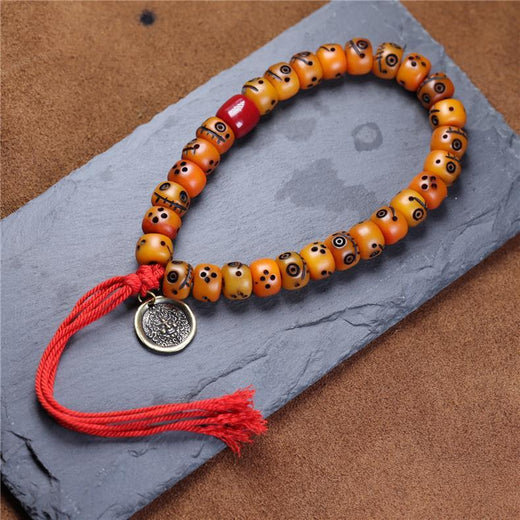
One of the most revered components in Tibetan jewelry is the Dzi Bead. Shrouded in mystery, the origin of these etched agate beads is the subject of myth and legend. Tibetans do not consider them to be man-made, but rather gifts from the gods, fallen from the sky or found by enlightened beings.
The distinctive "eyes" on Dzi beads are believed to be powerful spiritual protectors, warding off the evil eye and other negative influences while attracting good fortune. A 9-Eyed Dzi, for example, is one of the most sought-after, believed to bring the wearer all nine life merits, including health, wealth, and compassion.
The gemstones used in these necklaces are chosen for their specific energetic properties:
- Our Wealth Energy Pendant features yellow citrine, a stone long associated with abundance and intention-setting. Its sunny, vibrant energy resonates with the solar plexus chakra, the center of personal power and will. Paired with wealth-attracting mantras, it becomes a powerful tool for overcoming financial blockages and inviting prosperity.
- The Moonstone + Blessing Symbol Necklace is perfect for cultivating emotional balance and intuitive wisdom. Moonstone is deeply connected to the divine feminine, the cycles of the moon, and the tides of emotion. It soothes stress and emotional instability, enhancing intuition and empathy.
- Other powerful stones include Turquoise, a master healing stone that promotes communication and protects the wearer on their travels, and Coral, which enhances life-force energy and shields against negativity.
Beyond the stones, the symbols carved into or accompanying them are of paramount importance. The Vajra (or Dorje) symbolizes the thunderbolt of enlightenment—an indestructible force that shatters illusion. The Endless Knot represents the interconnectedness of all things and the eternal nature of the mind.
The sacred mantra "Om Mani Padme Hum" is the embodiment of the compassion of all Buddhas, and wearing it is a way to invoke and radiate that compassion into the world.
By wearing an energy necklace, you are making a conscious statement about the energy you wish to cultivate. You are enveloping yourself in a field of intention, supported by the ancient power of stones and symbols. ✨ Bring protection and healing into your life with our Crystal Energy Necklaces.
Thangka Pendants: Wearable Deities for Daily Protection
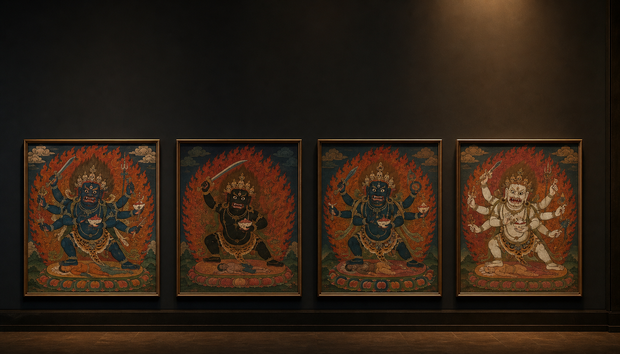
Traditional Thangkas are intricate, sacred paintings on silk or cotton, depicting Buddhist deities, scenes from the Buddha's life, or mandalas. They are not mere art but are considered objects of devotion, tools for visualization, and windows into the enlightened state.
A mini Thangka pendant takes this profound tradition and makes it intimately personal and portable, allowing you to carry the protective presence of a chosen deity with you always.
Unlike a large Thangka that hangs in a home or monastery, a wearable Thangka acts as a personal guardian, a mobile shrine resting against your skin. The divine energy of the deity is believed to radiate outwards, creating a shield of spiritual protection and bestowing blessings upon the wearer.
Choosing a Thangka pendant is a deeply personal decision, often based on a specific need or a natural affinity for a particular enlightened being.
- Medicine Buddha (Bhaisajyaguru): Depicted with blue skin, holding a bowl of healing nectar, the Medicine Buddha is the embodiment of healing. His mantra is a powerful antidote to physical, mental, and spiritual sickness. Wearing his image is a powerful practice for those in healing professions, those struggling with illness, or anyone wishing to cultivate a healing presence for themselves and others.
- Padmasambhava (Guru Rinpoche): Known as the "Second Buddha," Guru Rinpoche was the master who firmly established Buddhism in Tibet, subduing negative forces and binding them by oath to protect the Dharma. He is the ultimate figure for overcoming obstacles. If you are facing immense challenges, embarking on a new and difficult path, or need to conquer inner demons like fear and doubt, a Padmasambhava pendant is an unparalleled source of strength.
- Mahakala: As a wrathful deity, Mahakala's fierce appearance can be misunderstood. In Tibetan Buddhism, "wrath" signifies fierce, powerful compassion that annihilates anything that stands in the way of enlightenment—including ego, greed, and hatred. He is a supreme protector of the Dharma and its practitioners. As the "God of Unexpected Wealth," he also helps to clear financial obstacles, allowing resources to flow so that you can practice and live with greater freedom.
- Green Tara: Known as the "Mother of all Buddhas," Green Tara is the embodiment of swift and compassionate action. She is depicted with one foot extended, ready to leap into action to help those who call upon her. She protects from the eight great fears and is a source of immediate help and relief in times of crisis.
💎 Thangka Pendants are a unique way to carry divine energy with you wherever you go. They serve as a constant reminder of the enlightened qualities you seek to cultivate within yourself—the healing of the Medicine Buddha, the fearlessness of Padmasambhava, and the compassion of Tara.
Carry the blessings of the enlightened ones by exploring our full collection of sacred jewelry.
Integrating Tibetan Jewelry into Your Modern Spiritual Practice
Owning a piece of Tibetan energy jewelry is the first step; integrating it into your life is where the transformation truly begins. This is not a passive process. Your jewelry is a spiritual tool, and like any tool, its effectiveness is magnified by your conscious engagement with it.
Setting Your Intention: When you first receive your new mala, bracelet, or pendant, take a quiet moment to connect with it. Don't just put it on. Hold it in your hands. Close your eyes and take a few deep breaths.
Feel its weight, its texture, its temperature. State your intention for the piece, either silently or aloud. For example, with a Moonstone necklace, you might say, "May this piece help me connect with my intuition and navigate my emotions with grace." This simple ritual of "activation" forges a personal bond between you and your spiritual ally.
A Mindful Reminder: Throughout your day, let the physical sensation of the jewelry bring you back to the present moment. When you feel the weight of your Dzi bead necklace, let it remind you to be protected and wise in your interactions.
When you absentmindedly touch the Bodhi seeds on your wrist, let it be a call back to your intention for enlightenment. This turns your jewelry from a static object into a dynamic part of your mindfulness practice, a constant, gentle tap on the shoulder from your higher self.
Cleansing and Care: Just as you need to rest and recharge, so does your energy jewelry. These pieces absorb the energies of their environment and from you. To keep them vibrationally clear and potent, it is important to cleanse them regularly.
- Smudging: Pass the jewelry through the smoke of cleansing herbs like sage, palo santo, or cedar. Visualize the smoke carrying away any stagnant or negativity.
- Moonlight: Place your jewelry on a windowsill overnight during the full moon. The gentle, powerful energy of the full moon is a universal cleanser and recharger. (Be cautious with direct sunlight, as it can fade some stones over time).
- Sound Healing: Place your piece inside or near a Tibetan singing bowl and strike the bowl. The pure sonic resonance will shake loose and dissipate any accumulated energetic debris.
- Selenite: Selenite is a crystal that naturally cleanses and charges other stones. Simply resting your jewelry on a selenite plate or slab for a few hours will restore it to its natural state.
By tending to your jewelry with this level of care, you honor its sacred purpose and ensure it remains a clear and powerful channel for positivity in your life. It becomes more than something you own; it becomes a cherished partner on your spiritual path, a tangible link to the timeless wisdom of the Himalayas, supporting you with every step you take.
Explore our monk-blessed Yak Bone 108 mala.
Frequently Asked Questions
- How do I choose the right piece of Tibetan jewelry for me?
- The best way to choose is to trust your intuition. Often, the piece you are most drawn to visually is the one whose energy you need most. You can also choose based on a specific intention. If you want to deepen your meditation, a Bodhi seed mala is an excellent choice. If you seek protection and abundance, a necklace with a 9-Eyed Dzi bead may call to you. Read about the properties of the different stones and deities, and select the one that resonates with your current life path and goals.
- Is it okay for a non-Buddhist to wear this jewelry?
- Absolutely. The principles embodied in Tibetan jewelry—compassion, wisdom, protection, and balance—are universal human values. You do not need to be a Buddhist to benefit from the energy of a mala or the protective qualities of a Thangka pendant. The key is to wear it with respect and a sincere intention. It is an invitation to connect with these positive qualities within yourself, regardless of your spiritual background.
- How often should I cleanse my energy jewelry?
- Listen to your intuition. A good rule of thumb is to cleanse your jewelry at least once a month. However, if you have been through a particularly stressful or difficult experience, or if the piece simply starts to feel "heavy" or dull, it is a sign that it needs to be cleansed. You should also cleanse a new piece when you first receive it to clear any energies it may have picked up during its journey to you.
- What does it mean if my bracelet or mala breaks?
- In Tibetan tradition, a mala or bracelet breaking is not seen as a bad omen. Instead, it is often interpreted as a sign that the piece has fulfilled its purpose for you. It may have absorbed a significant amount of negativity on your behalf or helped you work through a specific karmic cycle. When this happens, it is customary to thank the piece for its service, and you can then choose to restring it with a new intention or return the beads to the earth by burying them in a garden or a pot.
- What are Dzi beads made of, and are they real?
- Authentic Dzi beads are made from agate. Their true origin is a mystery, with Tibetan folklore suggesting they are of divine, not human, creation. Ancient, original Dzi beads are incredibly rare and can be astronomically expensive. The modern Dzi beads used in jewelry today are crafted from high-quality agate by skilled artisans who replicate the sacred patterns and symbols. While not ancient, they are created with the same sacred intention and carry the symbolic power of the Dzi tradition, making their protective energy accessible to practitioners today.
Keep reading