News
White Jade Meaning, Benefits & Buying Guide

White jade is not automatically white nephrite. The Gemological Institute of America explains that jadeite and nephrite are distinct jade materials and that both can occur in white. A pale color, product name, photograph, price, cool touch, or seller description cannot by itself identify the material or prove that it is untreated.
What White Jade Actually Is
"Jade" is a material category rather than one mineral name. GIA's jade description recognizes nephrite and jadeite as materials commonly called jade. They are made of different minerals, but both are composed of tightly interlocking crystals that help make jade notably tough. GIA also notes that nephrite and jadeite can each occur in white.
That means "white jade" is incomplete identification. A careful product description should say whether the listed material is nephrite, jadeite, or something else. The word "white" describes appearance; it does not identify mineral species, geographic origin, treatment status, age, or quality.
Product naming adds another possible source of confusion. "White Jade Bodhi" can be a trade or style name for pale seed beads rather than mineral jade. Buddhabelief's current White Jade Bodhi Seed Bracelet description states that the name is used for a seed-bead product and is not certification of mineral jade. Always read the material statement instead of relying on the title alone.

White Jade Meaning and Its Limits
White materials are often associated with qualities such as purity, clarity, calm, or compassion in modern jewelry descriptions and in some cultural or religious interpretations. Those meanings can explain why a person chooses a pale jade object, but they are symbolic interpretations, not gemological properties.
A stone does not diagnose, treat, or prevent anxiety, illness, relationship problems, or "negative energy." It does not guarantee protection, longevity, emotional balance, or spiritual progress. A wearer may use a piece as a personal reminder to pause or act with care, just as another person might use a written note or a familiar object. The intention belongs to the wearer; it is not proof of an effect produced by the material.
Religious images require the same care. A Guanyin or White Tara carving has meaning through its iconography and the tradition in which it is understood. The carving material does not automatically prove consecration, a monastery connection, a named lineage, or a particular ritual history. Those are separate claims that need object-specific records.
How Jade Is Evaluated
GIA's jadeite quality guide describes color, transparency, and texture as major value factors for jadeite. It also notes the importance of even or pleasing color distribution, polish, surface reflections, and fractures. These factors help explain what buyers and gem professionals observe, but they do not turn a visual inspection into mineral identification.
White jade can range from translucent to opaque and may show variation in tone or texture. A polished surface can look waxy or glassy depending on material, finish, lighting, and photography. None of these features is a reliable stand-alone home test. Glass, treated material, assembled products, and other pale stones can overlap in appearance.
Weight and temperature are also easy to overstate. They depend on dimensions, shape, settings, room conditions, and comparison material. There is no responsible universal claim that a pendant of a particular length must weigh within one narrow range. Similarly, feeling cool at first touch does not prove that an item is nephrite.

White Jade Buying Guide
A good buying decision separates what the seller states from what has been independently verified. Use the same checklist for a bracelet, pendant, bead strand, or carving.
- Material identity: Does the listing state nephrite, jadeite, another named material, or only "white jade"?
- Treatment disclosure: Ask whether the material has been dyed, bleached, impregnated, coated, waxed, stabilized, or otherwise treated. Request documentation for any "untreated" statement.
- Laboratory evidence: If a report is claimed, ask for the laboratory name and report number or a legible image. Confirm that the report describes the item being sold, not a similar sample.
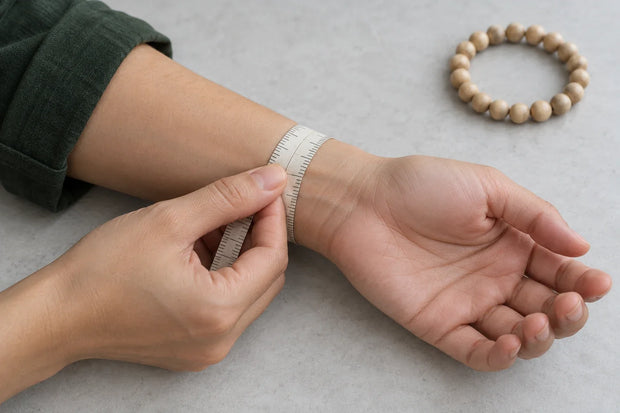
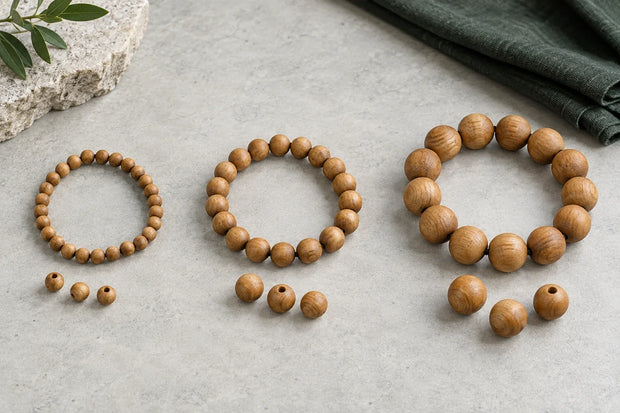
- Measurements: Confirm bead diameter, pendant dimensions, weight, drilling or hole size, wrist range, cord length, closure, and whether measurements are approximate.
- Other components: Ask what metals, cords, spacers, adhesives, coatings, or accent stones are present. Material claims for the main bead do not identify every component.
- Photographs: Review clear close views in neutral lighting. Photographs can show finish, shape, and visible condition, but they cannot authenticate the material.
- Condition and returns: Look for disclosed chips, fractures, repairs, or color variation, and read the return terms before ordering.
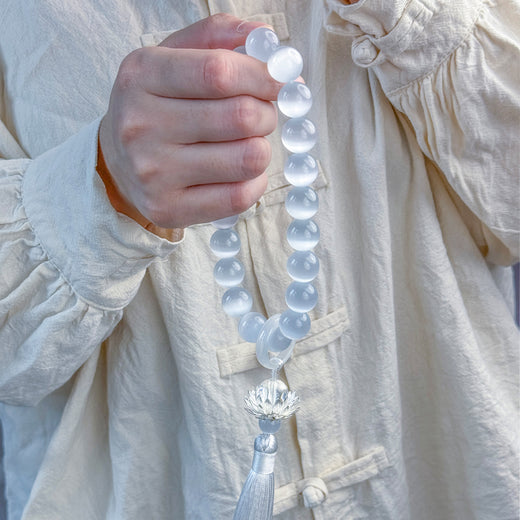
Compare a 6 mm bracelet. The current listing describes 6 mm beads and natural Qinghai Hetian white jade. This is the seller's material description, not independent gemological identification: no laboratory report number was present in the public product information checked on September 9, 2026. If mineral identity, origin, or treatment status is important to your purchase, ask for documentation for that exact item before ordering.
View the White Jade Bracelet's photographs, size, and care details

Wearing and Caring for White Jade Jewelry
Start with the product's actual components. A loose stone, a bead bracelet on elastic, and a pendant with metal settings do not have identical care needs. Treatments, dyes, adhesives, cord, elastic, and metal can change what is safe even when the main material is jade.
For routine handling, use a clean, soft cloth and store the piece so it does not strike harder jewelry or sharp edges. Avoid harsh household cleaners, abrasives, sudden temperature changes, and unverified "cleansing" methods. Do not assume that salt, sunlight, steam, ultrasonic cleaning, perfume, or chemical solutions are suitable.
Before putting an assembled piece in water, check the care guidance for the cord, elastic, adhesive, setting, and any disclosed treatment. If the material or treatment is uncertain, keep the piece dry and ask the seller or a qualified jewelry professional for item-specific advice.
Inspect wearable pieces periodically. Stop wearing a bracelet if the elastic, knot, or clasp is failing. A damaged setting or cord is a practical repair issue, not evidence that the stone absorbed harm or lost a spiritual property.
Common Questions About White Jade
Is white jade the same as white nephrite?
No. White nephrite can be called white jade, but jadeite can also be white. Ask for the stated material and use independent gemological testing when a definitive identification matters.
What is the difference between nephrite and jadeite?
They are different jade materials with different mineral compositions. Both have tightly interlocking crystal structures and can occur in several colors, including white. A product should identify which material it claims to contain.
Can I identify white jade at home?
Home observations can help you notice size, finish, visible damage, and consistency, but they cannot reliably prove mineral identity, treatment, or origin. Do not rely on scratch, heat, sound, weight, price, or touch tests as authentication.
How do I know whether white jade was treated?
Ask the seller for a treatment disclosure and supporting documentation. If treatment status materially affects your decision, use an independent gemological laboratory or qualified professional. A clean appearance or uniform color is not conclusive.
What are the benefits of white jade?
As jewelry, jade can offer durability, tactile appeal, and visual interest. Purity, clarity, compassion, and protection are symbolic meanings or beliefs, not proven medical or psychological outcomes. The piece should not replace professional care or practical safety measures.
Does white jade guarantee protection?
No. Protection language belongs to belief, personal symbolism, or a specific religious context. Gemological identification does not verify a protective effect, blessing, or ritual status.
Is White Jade Bodhi mineral jade?
Not necessarily. "White Jade Bodhi" can name pale Bodhi seed beads. Buddhabelief's current White Jade Bodhi Seed Bracelet description explicitly says that its name is not mineral-jade certification. Check the material line for each product.
Can white jade go in water?
Do not decide from the product title alone. Water safety depends on the identified material, disclosed treatments, cord or elastic, settings, adhesives, and accent components. Follow item-specific care guidance; if those facts are unknown, keep the piece dry.
What should a laboratory report show?
At minimum, it should be possible to connect the report to the item and to understand the laboratory's material identification and any listed detectable treatments. Verify the laboratory name and report number rather than relying on the word "certified" in sales copy.
A Clear Way to Choose
Begin with material identity, then evaluate construction, size, condition, and documentation. Consider symbolism only after those factual questions are clear. This order prevents a meaningful story from being used as a substitute for product evidence.
White jade can be valued as jewelry, a carved object, or a personal reminder without promising healing, protection, or spiritual authority. The strongest listing is the one that tells you exactly what is known, what is seller-provided, and what has been independently verified.
Sources: GIA Jade Description; GIA Jadeite Jade Quality Factors. Product availability and description were checked against Buddhabelief's public product data on September 9, 2026.
Keep reading