News
Essentials of Traditional Tibetan Clothing: Sacred
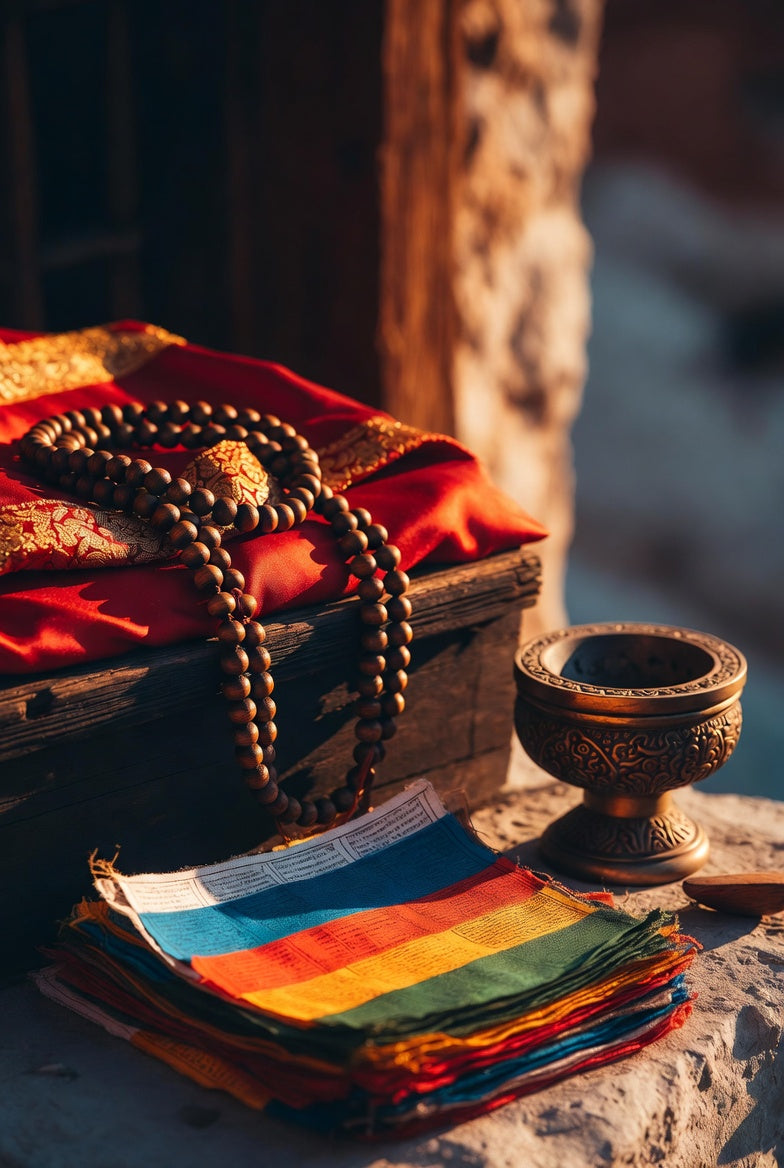
You've probably found yourself scrolling through beautiful images of the Himalayas, perhaps pausing on photographs of people draped in vibrant, flowing textiles. There's an undeniable allure to these garments, an aesthetic that whispers of peace and deep tradition.
Maybe you've even pinned a few to your 'Zen aesthetic' board on Pinterest, wondering about the stories they hold. But beyond the visual appeal, these pieces of traditional Tibetan clothing are far more than fabric; they are living narratives, woven with centuries of culture, spirituality, and the everyday resilience of a people.
As you begin your own spiritual journey, understanding these sacred garments can offer a unique lens into a world rich with meaning and purpose. We invite you to explore our authentic Tibetan garments, each piece a bridge to a profound cultural heritage.
What It Really Is
When you first encounter traditional Tibetan attire, you might initially see it as simply beautiful or exotic. However, to truly understand these garments is to look past any superficial impression and recognize them as fundamental expressions of Tibetan life, belief, and environment.
These are not merely "costumes" worn for show; they are practical, spiritual, and deeply tied to identity. Living in the Tibetan plateau means contending with air so thin that newcomers struggle to breathe, winters that drop below minus twenty Celsius, and daily life that demands both durability and dignity.
Tibetan clothing evolved to meet these specific needs, becoming a second skin that protects, signifies, and connects the wearer to their community and faith.
At its heart, Tibetan clothing is defined by its adaptability and symbolism. The primary garment for both men and women is the Chuba, a long, flowing robe typically made from wool, sheepskin, or cotton, designed to provide warmth and versatility.
It's often sleeveless, worn over a blouse, and cinched at the waist with a sash, creating a large pouch above for carrying personal items—a practical design born from necessity in a nomadic lifestyle. For married women, the Pangden, a colorful striped apron, is a distinctive and cherished symbol of their status and identity, worn over the Chuba.
Beyond daily wear, there are specific ceremonial robes for monks and lamas, each layer carrying deep spiritual significance, reflecting vows of simplicity and devotion. We've spent years building relationships with artisans in Boudhanath and Kathmandu, observing how these traditions are maintained.
The colors chosen, the patterns woven, and even the way a garment is folded or worn, all carry meaning. They speak of regional identity, social status, and spiritual commitment. This deep connection to the land and its spiritual practices means that when you see a Chuba, you're not only looking at a piece of clothing; you're witnessing a living tradition, a a sign of resilience, and a quiet declaration of identity.
It stands in stark contrast to the fleeting trends we often see in other parts of the world, offering a sense of rootedness and continuity that can be deeply comforting.

Why This Matters in 2026
Scroll through your phone for five minutes and you'll feel it—the familiar hum of anxiety, the quiet sense of identity confusion that comes from constant notifications and the pressure to keep up. You're asking yourself, "What do I truly want?" while comparing your life to carefully curated images online.
This is precisely why understanding the depth and meaning behind traditional Tibetan clothing can be so relevant, even today in 2026.
Tibetan garments, with their enduring designs and layered symbolism, offer a powerful counter-narrative to the ephemeral nature of modern fashion and the relentless pursuit of newness. They embody values that those on a path of self-inquiry are consciously seeking: mindfulness, resilience, and a deep connection to something larger than ourselves.
When you learn about the Chuba, for instance, you're not only learning about a robe; you're encountering a philosophy of practicality, adaptability, and a life lived in harmony with one's environment. The way it's designed to be versatile—functioning as a blanket, a bag, a coat, even a sleeping layer in high-altitude regions—speaks to a resourceful mindset that values utility and longevity over fleeting trends.
For someone like you, drawn to the 'Zen aesthetic' and exploring spiritual paths, these garments can serve as tangible reminders of these very qualities. They encourage a slower, more intentional way of appreciating what we wear and what it represents.
This isn't about adopting an entirely new wardrobe, but rather about appreciating the stories and values woven into these textiles. It's about recognizing that clothing can be more than covering; it can be an expression of culture, a link to heritage, and a personal statement of respect for enduring traditions.
This appreciation can become a small, grounding practice in your day, a pause from the digital noise.
Furthermore, engaging with traditional clothing from cultures like Tibet also connects you to a global community and promotes ethical consumption. We partner with artisans in Boudhanath and Kathmandu—communities where these techniques have been refined since the 17th century—ensuring that the skills passed down through generations continue to thrive.
By understanding the effort, history, and cultural significance behind each hand-stitched seam and natural dye, you cultivate a closer respect for the craft and the people who create it. This conscious engagement offers a refreshing antidote to the impersonal nature of fast fashion and can align with your growing desire for authenticity and purpose.
It's an investment in cultural understanding, a subtle way to weave mindfulness into your daily life, and a quiet rebellion against the superficial. It provides a unique anchor in a world that often feels adrift, giving you a chance to reflect on enduring values and the beauty of human craftsmanship.
What It's Good For
The Chuba: Everyday Elegance and Practicality
The Chuba is arguably the most iconic piece of Tibetan traditional clothing, and its design speaks volumes about the practical ingenuity and aesthetic sensibility of the Tibetan people. A long, loose-fitting robe, often sleeveless or with very wide sleeves, designed to be worn over an inner blouse and trousers—this is the Chuba in its essence.
What makes the Chuba truly remarkable is its versatility. Traditionally made from sheepskin, wool, or cotton, it offered unparalleled warmth in the high altitudes of the Himalayas, where winter temperatures drop below minus twenty degrees Celsius.
The way it's worn—cinched at the waist with a colorful sash—creates a large, ballooning pocket above the waist. This isn't just for style; this 'pouch' serves as a convenient carry-all for daily essentials, from a bowl for meals to personal prayer items.
It's a a sign of a lifestyle where functionality and form are seamlessly integrated. To explore the full history and regional variations of the Chuba, see our in-depth traditional Chuba guide.
Chubas vary in material and decoration depending on the region, the season, and the wearer's social status. Nomads in the Changtang plateau might wear heavy sheepskin Chubas for maximum warmth, while those in more temperate areas or of higher status might opt for silk brocades or fine wool.
The sheer elegance of its drape, combined with its practical utility, makes the Chuba a timeless garment. When you look at a Chuba, you're seeing centuries of adaptation and cultural expression, a garment that has served its people faithfully through generations.
You can learn even more about this foundational garment in our comprehensive Chuba guide.
The Pangden: A Symbol of Married Life and Identity
For married Tibetan women, the Pangden is an indispensable and deeply symbolic part of their attire. This vibrant, striped apron is not merely an accessory; it's a powerful visual declaration of a woman's marital status and her place within the community.
Worn over the Chuba, the Pangden typically features horizontal stripes in a dazzling array of colors—reds, blues, greens, yellows—each color often derived from natural dyes sourced from plants like madder root and indigo, carrying its own subtle significance.
The process of weaving and dyeing these aprons is an art form in itself, often passed down through generations of women in families across the Lhasa and Shigatse valleys, making each Pangden a unique piece of cultural heritage.
The Pangden adds a splash of color and distinctiveness to the more subdued tones of the Chuba. It's a garment that speaks of celebration, tradition, and the beauty of commitment. While its primary function today is ceremonial and a marker of identity, its history is rooted in the daily lives of Tibetan women.
Holding a Pangden, you can almost feel the stories of countless women who have worn it, each stripe a thread connecting them to their ancestors and their cultural lineage. It's a beautiful example of how clothing can transcend mere utility to become a potent symbol of identity and belonging.
Monastic Robes: Simplicity, Discipline, and Devotion
The robes worn by Buddhist monks and nuns are perhaps the most universally recognizable form of Tibetan attire, immediately conveying a sense of spiritual devotion and disciplined living. These robes, typically in shades of maroon, saffron, or deep yellow, are deliberately simple, reflecting the vows of renunciation and non-attachment.
The attire consists of several distinct pieces, each with its own purpose. The Dhonka is a sleeveless vest, worn close to the body. Over this, the Shemdap, a skirt-like lower garment, is wrapped.
The most prominent piece is the Chögu, a rectangular outer robe draped over the left shoulder, leaving the right arm free for activity.
The specific way these robes are worn, often with meticulous folds and drapes, is itself a practice in mindfulness and humility. The color, traditionally derived from natural dyes like saffron flowers and madder root, symbolizes a detachment from worldly appearances and a focus on inner development.
When you see a monk in their robes, you're witnessing a living commitment to the Dharma, a visual representation of the path of wisdom and compassion. These garments are not about fashion; they are about function and deep spiritual meaning, serving as a constant reminder of the vows taken and the path chosen.
They represent a deep respect for tradition and a personal investment in spiritual growth, worn by those who dedicate their lives to the pursuit of enlightenment.

How To Spot the Real Thing
If you value authenticity and cultural depth, choosing traditional Tibetan clothing means looking beyond mere aesthetics. It's about making an informed choice that honors the craftsmanship, the culture, and the people behind the garment.
An authentic piece is an investment piece — one you'll cherish and perhaps even pass down, not something to be discarded with the next trend. So, what should you look for when seeking out genuine Tibetan garments?
Firstly, **materials** are key. Traditional Chubas are often made from high-quality wool, sheepskin, or sometimes silk for more ceremonial pieces. Handwoven wool, particularly from Tibetan sheep raised on the Tibetan plateau above 12,000 feet, offers superior warmth and durability.
Look for natural fibers that feel substantial and have a rich texture. The dyes used are also important; traditional pieces often feature natural, earthy tones or vibrant colors derived from indigo, madder root, and saffron — techniques documented in Tibetan textile records since the 7th century.
Secondly, **craftsmanship** is paramount. Authentic Tibetan clothing is typically handmade, with attention to detail in the stitching, embroidery, and finishing. You might notice slight imperfections, which are often hallmarks of a handcrafted item, telling a story of human touch rather than mass production.
We partner with Master Tenzin, who leads our Boudhanath workshop in Kathmandu's historic district, and his team of skilled artisans, ensuring that each stitch reflects generations of expertise. They meticulously craft each piece over weeks, upholding techniques that have been passed down through families — Tenzin's own grandfather was a master weaver in Lhasa before 1959.
Thirdly, **origin and ethical sourcing** matter deeply. True Tibetan garments are crafted by Tibetan or Himalayan artisans, often in communities where these traditions are a way of life. We are committed to ethical practices, working directly with artisans in places like Kathmandu and the Bhaktapur valley, ensuring fair wages and sustainable production methods.
This not only preserves cultural heritage but also supports the livelihoods of these communities. When you choose from our traditional Tibetan clothing collection, you are directly contributing to the continuation of these sacred crafts.
Finally, consider the **type of garment** you're looking for. While a full Chuba might be worn for special occasions or cultural events, you might also find modern adaptations or accessories that incorporate traditional patterns and fabrics, allowing you to integrate the aesthetic and meaning into your daily life more subtly.
For instance, a beautifully woven scarf with traditional Tibetan motifs can offer a touch of the Himalayas to your wardrobe. if you are seeking a complete traditional ensemble or a smaller piece that carries the essence of Tibetan culture, understanding these criteria will help you make a choice that is both meaningful and authentic.
This is the piece you'll still wear in 20 years, not only for its beauty, but for the story and spirit it embodies.

How To Use It Day To Day
You've been drawn to the beauty and meaning of traditional Tibetan clothing. But how do you, as someone in 2026, actually incorporate this into your life without feeling like you're wearing a costume or engaging in cultural appropriation?
The key lies in respectful appreciation, understanding, and thoughtful integration. It's not about donning a full Chuba for your morning coffee run, but rather about how you can connect with the spirit and values these garments represent.
One way is through **mindful appreciation and learning**. When you see a Pangden, take a moment to understand its symbolism as a marker of married life and the artistry of its hand-dyed stripes—often created using indigo and madder root that take weeks to set properly.
This act of learning and respect is a practice in itself. It connects you to a broader human story and cultivates a sense of cultural empathy. You can display a beautifully woven textile in your home as a piece of art, allowing its patterns and colors to inspire a sense of calm and connection to nature, much like how a thangka painting anchors a meditation space.
Another approach is to **integrate elements thoughtfully**. Perhaps you choose a scarf or a wrap crafted from traditional Tibetan wool—the kind herded at 12,000 feet in the Changtang plateau—featuring patterns that echo those found on Chubas.
When you wear it, you're not only wearing a piece of fabric; you're carrying a story, a connection to the skilled hands of the artisans in our Kathmandu atelier, and a reminder of the resilience and beauty of Himalayan culture.
This subtle integration allows you to participate in the aesthetic without misrepresenting its original context.
For those special occasions, like cultural festivals, meditation retreats, or even a quiet personal ceremony, wearing a more complete traditional piece can be deeply meaningful. If you choose to wear a Chuba or a ceremonial garment, do so with an informed understanding of its significance.
This transforms the act of wearing into a personal practice of reverence and connection. It becomes a tangible way to honor the traditions you admire, rather than simply adopting a style. This kind of engagement fosters a sense of groundedness and purpose, offering a unique way to express your journey towards inner peace and cultural understanding.
When you hold your mala, you connect to a similar lineage of practice and meaning, and so too can a piece of clothing.
Common Questions
What is the main garment in traditional Tibetan clothing?
The primary and most recognizable garment in traditional Tibetan clothing for both men and women is the Chuba. This long, loose-fitting robe is remarkably versatile and deeply ingrained in Tibetan daily life. Historically made from sheepskin, wool, or cotton, the Chuba provides essential warmth in the cold Himalayan climate.
Its design is practical, often featuring wide sleeves and a wrap-around style that, when belted, creates a large pouch above the waist. This improvised pocket is used for carrying personal items, from food bowls to religious texts, making it highly functional for a nomadic or agrarian lifestyle.
The Chuba's material and decoration can also signify the wearer's social status, region, or even the season, making it a rich weave of cultural information. It is truly the foundational piece around which other garments are layered.
What does the Pangden symbolize for Tibetan women?
The Pangden is a distinctive, brightly striped apron worn by married Tibetan women, symbolizing their marital status and often their connection to their family and community. Its vibrant horizontal stripes, typically in a spectrum of colors like red, green, blue, and yellow, are not only decorative; they are rich with cultural meaning and often reflect regional variations in design and dyeing techniques.
Wearing a Pangden is a proud declaration of a woman's identity and her role within Tibetan society. It represents a transition into a new phase of life, a visual marker that is cherished and often passed down through generations.
In the Lhasa region, certain Pangden patterns feature indigo and crimson bands woven on traditional looms, distinguishing them from those made in Bhutan or Ladakh. Beyond its symbolic role, it also adds a beautiful, colorful accent to the more subdued tones of the Chuba, embodying the vibrancy and strength of Tibetan womanhood.
Buddhabelief works exclusively with monastery-certified craftsmen in Lhasa and Kathmandu to bring you pieces that carry genuine spiritual significance — not mass-produced replicas.
Are Tibetan clothing pieces only for ceremonial use?
While many elaborate and intricately decorated Tibetan garments are indeed reserved for ceremonial occasions, festivals, and religious rituals, the core pieces like the Chuba are very much part of everyday life. The Chuba, for instance, has always been a functional garment, designed for warmth, protection, and practicality in the harsh Himalayan environment.
Monastic robes, while deeply spiritual, are the daily attire for monks and nuns. However, as times change, traditional garments are increasingly appreciated for their cultural significance and artistry. Today, while a full traditional ensemble might be worn for special events, elements like woven fabrics, hand-knotted prayer beads, and embroidered accessories carry the spirit of the tradition into daily life around the world.
Your Journey into Tibetan Sacred Clothing
Understanding traditional Tibetan clothing opens a doorway into one of the world's most spiritually rich cultures. From the warmth and practicality of the Chuba to the intricate symbolism woven into a monk's saffron robes, every garment carries centuries of devotion, community, and meaning. if you are drawn to the vibrant Pangden aprons or the muted tones of a meditation shawl, each piece reflects a people whose spiritual life is inseparable from their daily existence.
As you explore authentic Tibetan clothing and accessories, carry that awareness with you — these are not merely garments, but living expressions of a sacred tradition.
Keep reading