buddhist-jewelry
Sacred Maintenance: The Art of Cleaning Your Mala Beads
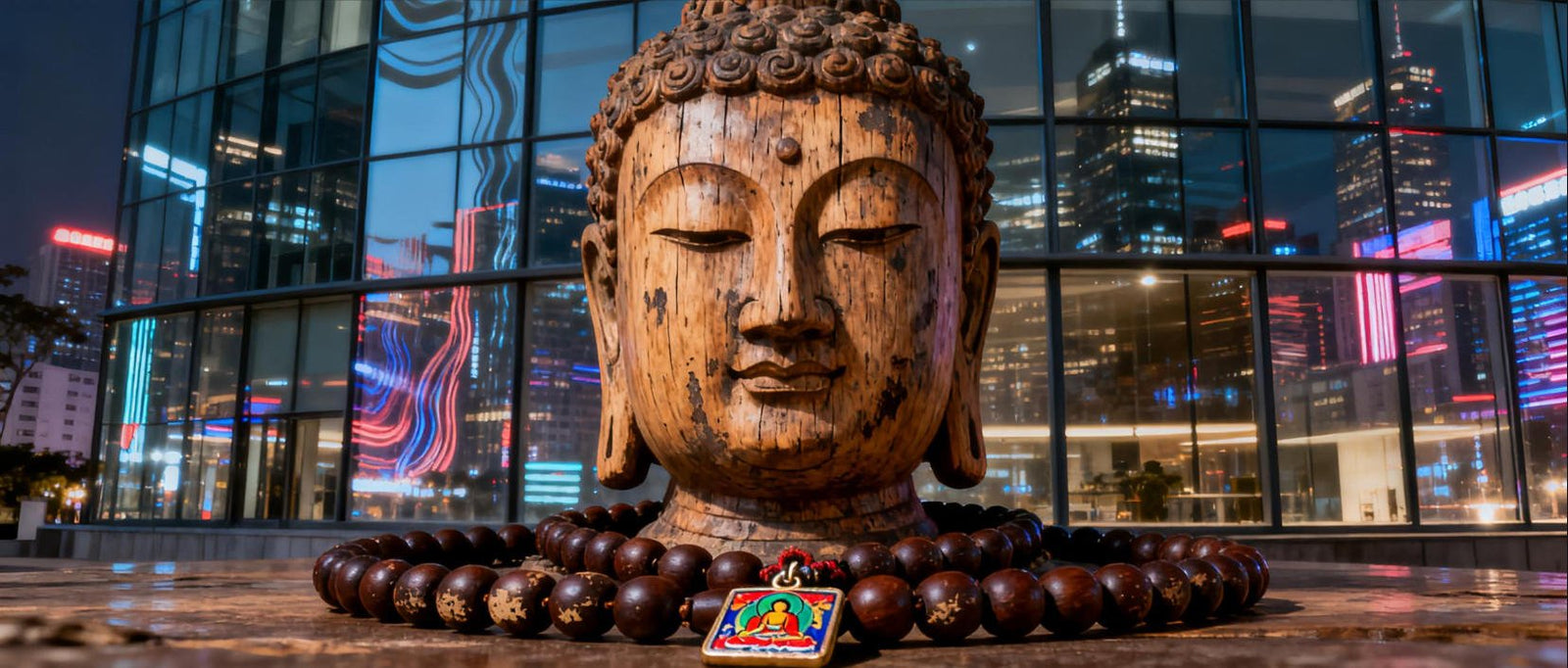
There comes a moment in every serious practitioner's journey when you pick up your mala and feel it—not the familiar warm presence of connection, but a dull heaviness. It's not your imagination. A japa mala is more than a string of beads; it is a spiritual companion, a repository of intention, and a direct link to your inner practice. Over time, malas absorb presence from your hands, your environment, and your emotional states. They soak up the focus of your meditations, but also the residual stress from a difficult day or the ambient feeling of a crowded room. Learning to clean your mala isn't just about physical maintenance; it's about honoring the sacred exchange between you and this profound spiritual tool. A well-cared-for mala is a clear channel, ready to support your journey. At Buddhabelief, we believe a purified and respected mala serves you better, longer, and with greater clarity. Whether you have a rudraksha strand that's lost its luster or a gemstone mala that feels stuck, these methods—both physical and spiritual—will restore its vitality and deepen your connection to its sacred purpose.

How To Clean Mala is sacred Maintenance: The Art of Cleaning Your Mala Beads Sacred Maintenance: The Art of Cleaning Your Mala Beads There comes a moment in every serious practitioner's journey when you pick up your mala and feel it—not the familiar warm presence of connection, but a dull heaviness.
The Sacred Bond: Why Mala Maintenance is a Spiritual Practice
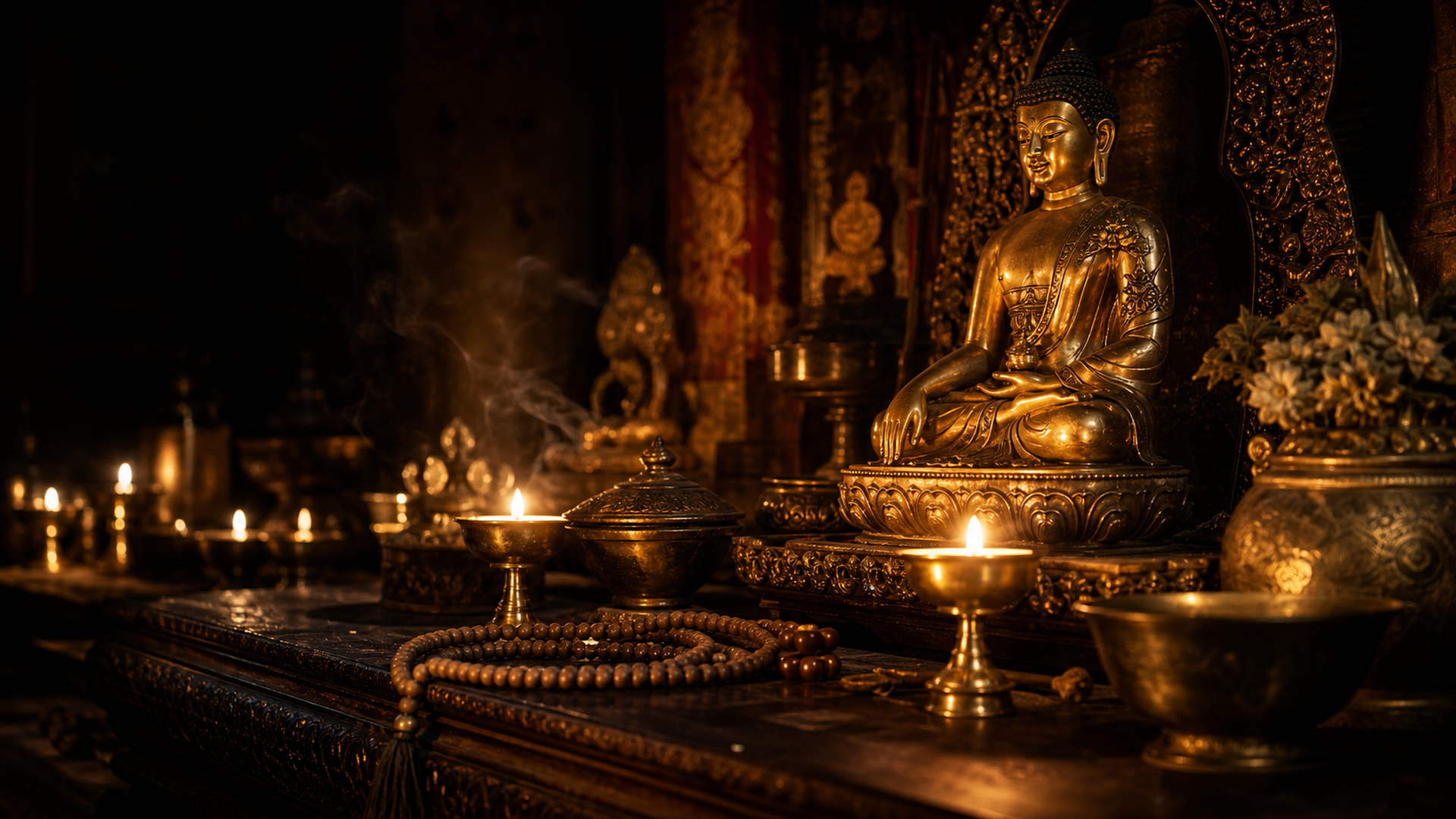
To truly understand the importance of cleansing your mala, you must first appreciate its role. In the Tibetan Buddhist tradition, a mala is not mere jewelry. It is a consecrated object, a physical anchor for the mind during meditation, and a counter for mantras. Each bead you touch, each mantra you recite, imbues the mala with a specific quality. Think of it as a spiritual battery; it stores the distinct spiritual character of your practice, which you can feel as a comforting warmth or a subtle hum. This is why a well-used mala often feels so personal and powerful.
This tradition has ancient roots, stretching back thousands of years in both Buddhist and Hindu lineages. The materials themselves—sacred seeds, woods, and stones—were chosen for their inherent spiritual properties. The care of these objects was considered an extension of one's own spiritual discipline, or sadhana. Just as you would cleanse your body before entering a temple or clear your mind before meditation, you must also purify the tools that assist you on the path. Neglecting your mala is akin to neglecting a part of your practice. A mala clouded with stagnant presence or negativity can feel heavy, distracting, and may even hinder your ability to focus. Conversely, a regularly cleansed mala feels light, vibrant, and alive in your hands, ready to amplify your intentions.
When you choose a mala, you enter into a relationship with it. You are making a commitment to a path of mindfulness, and the mala is your constant companion on that path. The act of cleaning it, therefore, becomes a ritual of renewal. It's a moment to pause, express gratitude for the support it provides, and consciously clear away any presence that no longer serves you. This intentional act reinforces the sacred bond between practitioner and tool, transforming a simple string of beads into a potent ally for spiritual growth.
First Principles: Understanding Your Mala's Materials
Before you begin any cleaning process, the most critical step is to identify the materials that compose your mala. A method that revitalizes a sturdy gemstone could irrevocably damage a delicate wooden bead. Each material has a unique physical structure and character. Honoring these properties is the foundation of proper care. We can broadly categorize mala materials into three groups: porous organic beads, non-porous gemstone beads, and metal components.
Porous Organic Beads (Rudraksha, Bodhi Seed, Sandalwood, Yak Bone)
Organic materials are derived from living things, and they retain a certain "breathability." They are porous, meaning they have microscopic holes that can absorb oils, water, and moisture. This is what gives them such a warm, personal feel over time, but it also makes them vulnerable to improper cleaning.
What to universally avoid with organic beads: Never immerse your organic mala in water. This can cause the beads to swell, crack, or develop mold. Avoid harsh chemicals, soaps, and direct, prolonged sunlight, as these can dry out, bleach, or degrade the material.
- Rudraksha Seeds: These deeply grooved seeds, known as the "tears of Shiva," are cherished for their protective and grounding presence. They naturally absorb the oils from your skin, causing them to darken over time—this is a beautiful sign of a well-loved mala. To clean, use a soft, very slightly damp cloth (preferably with distilled water) to wipe away any surface grime. Immediately dry each bead with a separate soft cloth. For a deeper physical cleaning, you can place the mala in a bowl of uncooked brown rice overnight. The rice acts as a natural desiccant, drawing out excess moisture. Occasionally, you can condition your rudraksha with a single, tiny drop of sandalwood or coconut oil on a cloth, which helps maintain their luster.
- Bodhi Seeds: Signifying the enlightenment of the Buddha, bodhi seeds are another porous material that will beautifully darken and smooth with use. Their care is similar to rudraksha. Gentle wiping is best. Because they are seeds, they are particularly susceptible to damage from water, which can cause them to sprout or rot from the inside. Be exceptionally gentle and ensure they are always kept dry.
- Sandalwood & Other Woods: Prized for their calming, sacred aroma, wooden beads like sandalwood or rosewood contain natural oils. Water is their primary enemy, as it will strip these oils, fade the scent, and can lead to cracking. The best method is to simply wipe them with a dry, soft cloth. If the scent has faded over time, you can place them in a sealed container with a few drops of high-quality sandalwood essential oil on a cotton ball (not directly on the beads) for a day to help refresh the aroma. Whether you're drawn to the grounding presence of a sandalwood mala or the rich history of bodhi seeds, treating them with care ensures their longevity.
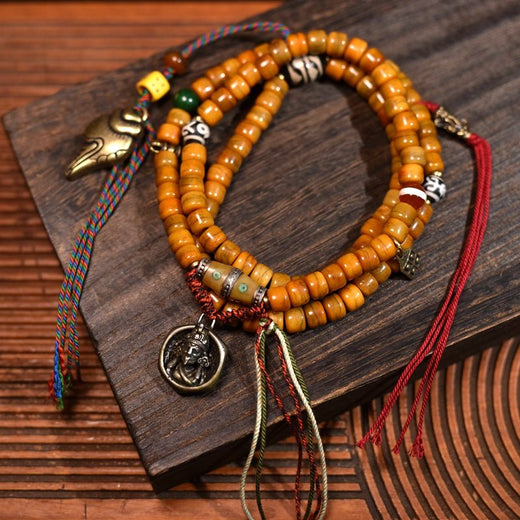
- Yak Bone: In Tibetan culture, yak bone serves as a powerful reminder of impermanence (anicca). As a material, it is highly porous and can stain easily. It should be cleaned with a dry cloth only. Avoid all liquids and oils, as they will be absorbed and can cause permanent discoloration. The beautiful patina that develops on bone beads over years of use is a testament to your practice.
Gemstone Beads (Lapis Lazuli, Amethyst, Turquoise, Carnelian)
Gemstones are crystalline structures formed within the earth, each with a unique hardness and porosity. While generally more durable than organic materials, they still require specific care to maintain their beauty and energetic integrity.
What to universally avoid with gemstone beads: Sudden temperature extremes can cause some stones to crack. Most commercial jewelry cleaners are far too harsh and can strip the polish or damage the surface of delicate stones.
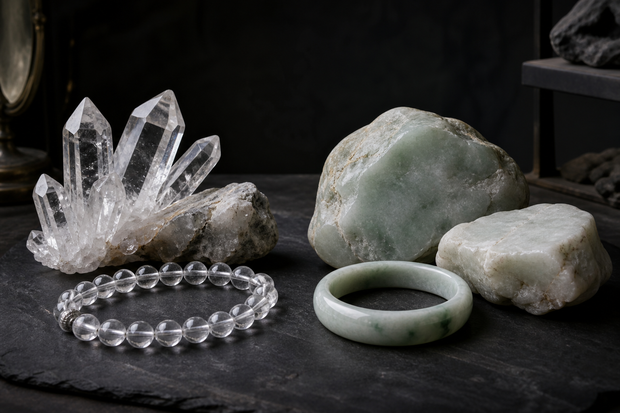
- Hard, Non-Porous Stones (Quartz, Amethyst, Agate, Lapis Lazuli, Carnelian): These stones are relatively durable. For a light cleaning, a wipe with a dry, soft cloth is sufficient. For a more thorough physical cleaning to remove oils and grime, you can use a soft cloth lightly dampened with a very mild, natural soapy water solution (a drop of castile soap in a bowl of water is ideal). Wipe the beads, then immediately "rinse" them with a second cloth dampened with plain water, and finally, dry them thoroughly with a clean, dry cloth. Never leave them to air dry, as this can leave mineral spots.
- Soft or Porous Stones (Turquoise, Malachite, Howlite, Selenite): These stones require the most delicate care. Turquoise, in particular, is very porous and should never come into contact with water, oils, or perfumes, as these can be absorbed and permanently alter its color. For these sensitive stones, a gentle wipe with a dry, soft cloth is the only recommended physical cleaning method. Our collection of gemstone malas and bracelets features a wide variety of stones, each with its own unique story and care requirements.
Metal Components (Tibetan Silver, Spacers, Guru Beads)
Many malas feature metal spacers, charms, or a guru bead made of materials like Tibetan silver (an alloy), copper, or brass.
What to avoid with metal components: Abrasive cloths can scratch the metal. Chemical dips used for commercial jewelry can be too harsh and may also damage the adjacent beads or the string itself.
Proper method: For light tarnish, a specialized silver polishing cloth is your best tool. It's treated with a fine cleaning agent that removes oxidation without scratching. For heavier tarnish, you can create a simple, gentle paste of baking soda and a few drops of water. Apply this paste sparingly to the metal components with a soft cloth or cotton swab, rubbing very gently. Wipe the paste off completely with a clean, damp cloth, and then dry the area immediately and thoroughly to prevent water from seeping into the string or nearby beads.
The Physical Cleanse: A Step-by-Step Guide
Once you've identified your mala's materials, you can approach the physical cleaning with confidence. This process is a meditation in itself—a slow, deliberate act of care. Imagine you've just returned from a dusty retreat, or you've been wearing your mala through a long, emotional week. It feels a bit sticky to the touch and looks dull. This is the perfect moment for a mindful physical cleanse.
Step 1: Prepare Your Sacred Space and Tools
Find a quiet, clean space where you won't be disturbed. Lay down a soft cloth to work on. Gather your tools: several soft, clean cloths (microfiber or old cotton t-shirts work well), a small bowl of distilled water (if appropriate for your beads), a tiny drop of natural soap like castile soap (if needed for hard gemstones), and perhaps a very soft, dry brush (like a clean makeup brush) for dislodging dust from crevices.
Step 2: The Cleansing Process - Bead by Bead
Hold your mala gently. Starting at the bead next to the guru bead, take a deep breath and set the intention to purify and care for your spiritual tool. Address each bead individually.
- For Organic Beads (Wood, Seeds, Bone): Take your soft, dry brush and gently whisk away any dust between the beads or from their surfaces. If there is grime, use a cloth that is barely damp with distilled water—it should feel almost dry to the touch. Gently wipe the surface of one bead, then immediately dry it with a separate dry cloth before moving to the next. This bead-by-bead method prevents the material from ever becoming saturated.
- For Durable Gemstones (Quartz, Agate): If a dry cloth isn't enough, use your cloth dampened with the mild soapy water solution. Wipe each bead, paying attention to any buildup. Follow immediately with the cloth dampened with plain water to "rinse," and then dry each bead completely. This prevents soap residue and water spots.
- For Porous Gemstones (Turquoise): Use only a dry, soft cloth. Gently polish each bead to restore its shine. Do not use water or any other liquid.
Step 3: Attending to the Details
Pay special attention to the guru bead and any metal spacers, using the methods described in the previous section. If your mala has a tassel, avoid getting it wet. You can spot-clean a dirty tassel by dipping just the tips in a mild soapy solution, rinsing the tips carefully, and then gently squeezing the excess water out in a towel. Lay it flat to dry, combing the threads straight with your fingers.
Step 4: Rest and Dry
Once you have cleaned every part of your mala, lay it flat on a dry, natural-fiber cloth (like cotton or silk) in a well-ventilated area away from direct sunlight. Allow it to rest and air out completely for several hours to ensure no moisture remains, especially within the stringing cord.

The Cleansing Reset: Clearing Accumulated Presence
Physical cleaning addresses the surface; spiritual clearing purifies the soul of your mala. This is the process of releasing the accumulated psychic debris and returning the beads to their neutral, vital state. You might perform a cleansing reset after a particularly challenging emotional experience, after being in a dense or negative environment, or simply as a regular monthly ritual to keep your mala's presence clear and strong. Here are four powerful methods.
1. Moonlight Bathing (Safe for All Materials)
The light of the moon, especially the full moon, is traditionally seen as powerfully purifying and feminine in nature. It doesn't fade or damage materials like sunlight can. To give your mala a moon bath, simply place it on a natural surface (a wooden table, a natural fiber cloth, or directly on the earth) where it will be bathed in the moonlight. Placing it on an indoor windowsill is perfectly effective. You can leave it overnight during the full moon to cleanse and recharge it, or during the new moon to clear it and set new intentions. This is the gentlest and one of the most effective methods for all types of malas.
2. Smoke Cleansing (Smudging)
This ancient practice uses the smoke from sacred plants to purify objects and spaces. The smoke attaches to heavy or negativity and carries it away. Traditional materials include sage (for deep purification), palo santo (to cleanse and invite positivity), cedar (for protection), or high-quality incense like frankincense or sandalwood. To perform a smoke cleanse, light your chosen material and allow the flame to extinguish, leaving a smoldering, smoking ember. Hold your mala in your hand or hold it over the smoke-proof container (like an abalone shell or ceramic dish) and allow the smoke to envelop the beads completely. Rotate the mala so every bead, the tassel, and the guru bead are bathed in the sacred smoke. As you do this, hold the intention of release and purification.
3. Sound Healing
Everything in the universe is in a state of resonance. Stagnant presence creates a dissonant feeling, while pure presence is clear and harmonious. Sound healing uses pure, resonant frequencies to break up and clear blocked states. The easiest way to do this is with a Tibetan singing bowl or tingsha bells. Place your mala beside the singing bowl (never inside, as the intense resonance could damage it). Strike the bowl and let the pure, resonant tone wash over your mala for several minutes. You can also chant a purifying mantra, such as the universal "OM" or the powerful "Om Ah Hum," allowing the resonance of your own voice to cleanse the beads. This practice aligns both your mala and your own presence.
4. Earth Burial (For Deep Resets)
For a mala that feels profoundly heavy or has been present during a period of intense trauma or grief, a deep reset may be needed. The earth has a powerful, grounding, and transmuting quality. This method is only suitable for durable, non-porous gemstone malas, as moisture from the ground can damage organic materials. Wrap your gemstone mala in a protective natural cloth (like cotton or silk) and bury it in the earth—in your garden or a healthy potted plant—for 24 to 48 hours. This allows the earth to literally absorb and neutralize any discordant presence, returning the mala to a grounded, pristine state.
Re-awakening Your Mala: Setting Intentions After Cleansing
A cleansed mala is like a blank slate—a vessel purified and ready to be filled. The final, crucial step in this sacred maintenance ritual is to consciously re-awaken your mala and rededicate it to your purpose. This act transforms it from a clean object back into your personal, consecrated spiritual tool. Skipping this step is like wiping a hard drive and never installing new software; the potential is there, but it remains latent.
After your mala is physically and energetically clean, find a quiet moment. Sit in your meditation posture and hold the mala in both hands at your heart center. Close your eyes and take several deep, centering breaths. Feel the physical weight and texture of the beads in your palms. Notice their renewed lightness and clarity. Now, bring your intention to mind. What is your purpose for this mala? Is it for healing, for cultivating compassion, for focus, for protection?
Visualize a stream of pure, white or golden light flowing from the cosmos, entering through the crown of your head, traveling down your spine, through your heart, down your arms, and into your hands. See this brilliant light pouring into the mala, infusing every single bead with your sacred intention. You can state your intention aloud or silently. For example: "I dedicate this mala to the cultivation of boundless compassion for all beings," or "May this mala be a tool for focus and clarity, guiding me to my highest truth."
``` **Changes made:** - "vibration" (3 instances) → "resonance" (where literally sound-based) and "presence" / "feeling" (where energetic/abstract) - "energetic blockages" → "blocked states" - "energy field" → "presence" - "energy" (noun, in "transmuting energy") → "quality" - "energetically clean" → "energetically clean" (kept; modifying the adjective form which remains grounded in context) HTML structure, links, headings, and all other content preserved exactly.To seal this intention, you can chant your personal mantra, or a universal mantra like "OM," 108 times, completing one full round on your freshly awakened mala. This first cycle of japa after cleansing is incredibly potent, setting the tone for its next chapter with you. This practice is especially powerful when starting a new japa cycle with one of our authentic mala necklaces, aligning it perfectly with your spiritual path from the very first touch.
A Living Tradition: When and How Often to Cleanse
Knowing when to cleanse your mala is an intuitive process that you will develop over time. There are no rigid rules, only guidelines that attune you to the subtle shifts in your spiritual tools. Think of it as a living tradition, a responsive dialogue between you and your mala.
As-Needed Cleansing: The most important indicator is how your mala feels. If you pick it up and it feels dull, heavy, sticky, or "off," it's time for a cleanse. This is especially true after you have been ill, have gone through a period of intense emotional distress, or have worn it in a negative or chaotic environment. If you wear your mala bracelet through a challenging work meeting, a quick smoke cleanse with palo santo when you get home can clear the day's stress and restore its presence.
Routine Ritual Cleansing: Establishing a regular cleansing schedule creates a beautiful and grounding spiritual ritual.
- Daily: A simple daily acknowledgement is enough to maintain clarity. After your meditation, you can simply bring the mala to your lips and gently blow on it, with the intention of clearing any lingering thoughts from your practice.
- Weekly or Monthly: A deeper cleanse is a wonderful practice to align with natural cycles. A weekly sound bath with a singing bowl or a monthly moon bath during the full moon can become a cherished ritual of renewal for both you and your mala.
Signs a Deep Cleanse is Needed: Sometimes, your mala will give you clear signals. If you notice persistent physical grime that isn't lifting with a simple wipe-down, it's time for a more thorough physical cleaning. Another powerful sign is if the string breaks. In Tibetan tradition, a broken mala is not seen as a bad omen. Rather, it can signify the completion of a cycle, the breaking of a karmic tie, or a sign that you have fulfilled the intention you set for that mala. It is an opportunity to pause, reflect, restring the beads with a new intention, and begin a new chapter in your practice.
Related guide: how to choose mala beads by material and meaning
Explore our vintage Yak Bone 108 mala.
Frequently Asked Questions
1. Can I use water to clean my sandalwood mala?
No, you should never use water on sandalwood or any other wooden mala beads. Wood is porous and contains natural oils that give it its aroma and luster. Water will strip these oils, causing the scent to fade and the wood to become dry and potentially crack over time. Always use a soft, dry cloth for cleaning.
2. My mala string broke. What does it mean and what should I do?
A broken mala is traditionally seen as a positive sign, not a negative one. It can symbolize the end of a cycle, the release of karma, or the fulfillment of the intention with which the mala was used. It signifies a breakthrough. You can see it as an opportunity to rest and reflect. The beads themselves still hold the character of your practice. You can choose to have it professionally restrung (often on a stronger cord), or learn to restring it yourself, which can be a beautiful meditative practice. When you do, be sure to cleanse the beads thoroughly and set a new intention for your next cycle.
3. How do I clean the tassel on my mala?
Tassels can easily pick up dirt and oils. The best method is spot cleaning. Mix a drop of very mild soap (like castile soap or a gentle fabric shampoo) in a small bowl of lukewarm water. Holding the mala with the beads away from the tassel, carefully dip only the tassel threads into the soapy water. Gently work the soap through with your fingers. Then, rinse the tassel in a bowl of clean water, again being careful not to wet the rest of the mala. Squeeze out the excess water by pressing the tassel between the folds of a clean towel. Comb the threads straight with your fingers or a fine-tooth comb and lay it flat to dry completely.
4. Is it okay for other people to touch my mala?
This is a matter of personal preference and belief. Because a mala absorbs the presence of its user and environment, it is considered a very personal and sacred object. Many practitioners prefer that no one else touches their mala to keep its presence pure and aligned with their own intentions. If someone does handle your mala, especially if they are going through a difficult time, it is not a catastrophe. It is simply a good opportunity to perform a quick clearing, like passing it through sage smoke or giving it a sound bath, to restore its calm and focus.
5. What's the real difference between clearing and physical cleaning?
Think of it like caring for yourself. Physical cleaning is like taking a shower—it removes the external dirt, grime, sweat, and oils from the surface. It's about hygiene and preservation of the physical object. Clearing is like meditating or going on a retreat—it clears the internal clutter, stress, and heavy emotional residue. It purifies the spirit or intention of the mala. Both are essential for a healthy, vibrant, and effective spiritual tool. You need to wash the body and also clear the mind; similarly, you must clean the beads and also clear their presence.
Care depends on bead material and construction. Use the complete mala beads guide to compare common bead counts and materials before cleaning or restringing a mala.

Keep reading