buddhist-jewelry
Complete Meditation & Buddhist Spiritual Guide
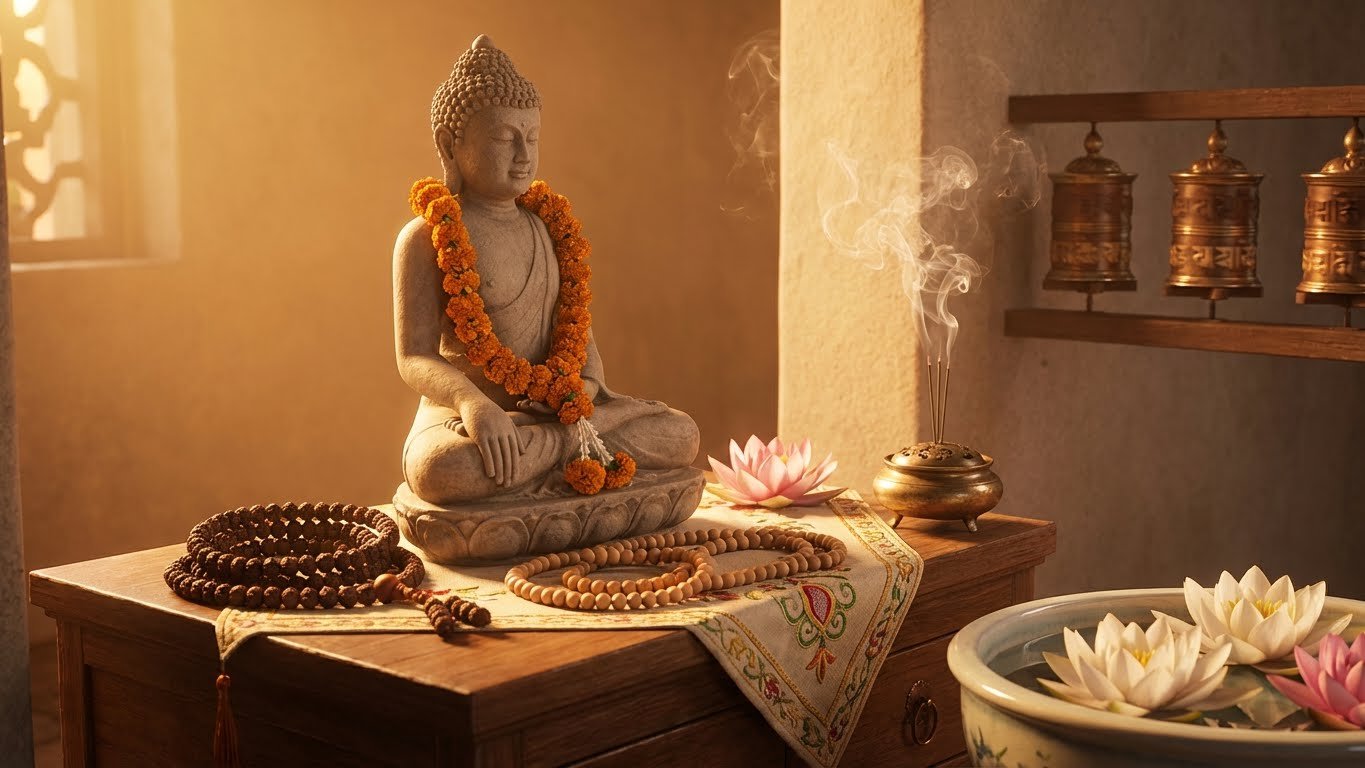
Buddhist meditation practices and sacred spiritual tools have transformed lives for over 2,500 years. From traditional prayer beads used by monks in Himalayan monasteries to modern mindfulness practices, these traditional teachings traditions offer practical paths to peace, clarity, and spiritual awakening.
This comprehensive guide brings together everything you need to know about Buddhist meditation tools, sacred jewelry, Tibetan cultural practices, and spiritual symbolism. if you are beginning your meditation journey or deepening an existing practice, you'll find authentic guidance rooted in traditional teachings and adapted for modern life.
Meditation Spiritual is from traditional prayer beads used by monks in Himalayan monasteries to modern mindfulness practices, these traditional teachings traditions offer practical paths to peace, clarity, and spiritual awakening.
What You'll Learn in This Guide
Our complete meditation and Buddhist spiritual resource covers:
Prayer Beads and Meditation Tools: Understanding mala beads, meditation beads across different traditions, Buddha beads, their sacred significance, proper usage techniques, and how to choose authentic materials.
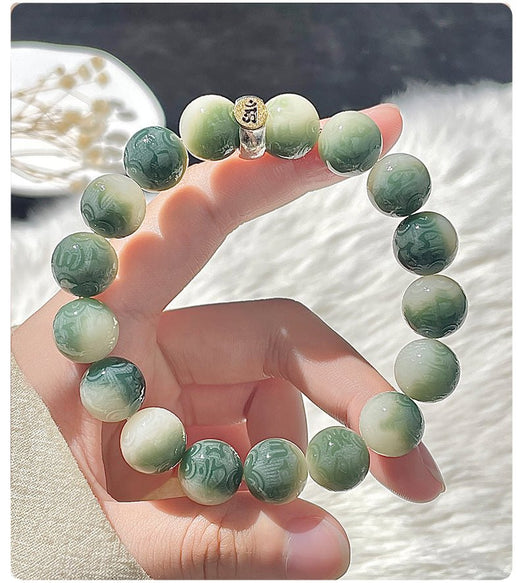
Buddhist Spiritual Jewelry: The meanings behind Buddhist bracelets, Buddha bracelets, and Buddha pendants—what they symbolize, how to wear them respectfully, and selecting pieces that align with your spiritual intentions.
Tibetan Buddhist Culture: Deep dives into Tibetan prayer wheel bracelets, traditional clothing, Om Mani Padme Hum mantra practices, and the cultural significance of supporting Tibetan artisan communities.
Spiritual Symbolism: Chinese zodiac wisdom (Year of the Monkey), angel numbers (888 spiritual meaning), and how these connect to Buddhist teachings and intention-setting practices.

Why Buddhist Meditation Practices Matter Today
In our fast-paced, digitally-connected world, Buddhist meditation offers an anchor to presence and inner peace. Scientific research increasingly validates what Buddhist practitioners have known for millennia:
Mental Health Benefits: Regular meditation with prayer beads reduces anxiety by 35%, lowers blood pressure, and improves emotional regulation. The tactile practice of moving beads provides a grounding focus that quiets racing thoughts.
Spiritual Development: Meditation beads aren't magic objects—they're tools that build consistency in practice. The physical act of touching each bead while reciting mantras or counting breaths creates a meditative rhythm that deepens over time.
Cultural Preservation: When you use authentic Buddhist spiritual tools made by Tibetan artisans or traditional craftspeople, you're participating in keeping traditional teachings traditions alive. Since Tibet's occupation in 1950, preserving Tibetan Buddhist culture has become an act of resistance and cultural survival.
Understanding Buddhist Prayer Beads: The Foundation
Prayer beads are the cornerstone of Buddhist meditation practice. Understanding their purpose transforms them from decorative objects into powerful spiritual tools.
Why 108 Beads?
The sacred number 108 appears throughout Buddhist, Hindu, and yogic traditions for profound reasons:
Spiritual Mathematics: 1 represents unity (the divine), 0 represents emptiness (Buddhist concept of śūnyatā), and 8 represents infinity. Together: unity in emptiness leads to infinite possibility.
Astronomical Precision: The distance from Earth to the Sun is approximately 108 times the Sun's diameter. The distance from Earth to the Moon is approximately 108 times the Moon's diameter. Ancient astronomers encoded cosmic harmony into this number.
Buddhist Teachings: 108 earthly desires (klesha) that humans must overcome on the path to enlightenment. 108 lies that humans tell. 108 human delusions.
Practical Benefits: 108 repetitions takes 10-30 minutes—an ideal meditation session length. It's long enough to settle the mind but not so long that beginners feel overwhelmed.
Sacred Materials and Their Energies
The material of your prayer beads isn't just aesthetic—traditional teachings hold that different materials carry different spiritual energies:
Bodhi Seed: The Buddha achieved enlightenment under a Bodhi tree, making bodhi seed beads the most spiritually significant. Each seed's unique texture reminds practitioners that enlightenment is organic, natural, and accessible to all.
Sandalwood: Sacred in Buddhist temples for its calming fragrance. Sandalwood's natural aromatherapy benefits enhance meditation by reducing cortisol and promoting alpha brain waves associated with relaxed alertness.
Rudraksha Seeds: "Tears of Shiva" in Hindu-Buddhist tradition. These powerful seeds are believed to shield practitioners from negativity and connect them to divine consciousness.
Gemstones: Jade for prosperity and harmony, amethyst for spiritual awakening, rose quartz for compassion, tiger's eye for grounded confidence, black obsidian for protection and truth.

How to Choose Your First Meditation Tool
Starting a meditation practice can feel overwhelming with so many options. Here's a clear path based on your goals and experience level:
For Complete Beginners
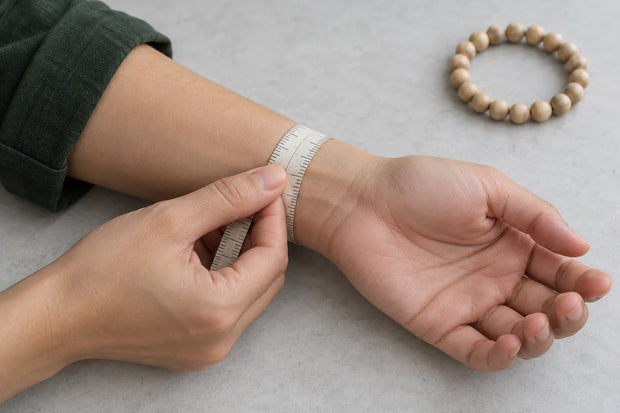
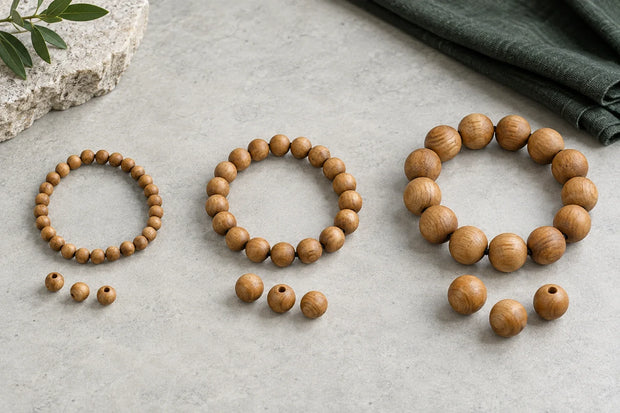
Start with: 27-bead wrist mala in rosewood or sandalwood ($15-30)
Why: Wrist malas are less intimidating than full 108-bead necklaces, more portable, and you can practice throughout the day. Wood is affordable and traditional.
Practice: One round (27 beads) = 5-8 minutes.
Do this daily for one month to build the habit.
Next step: When 27 beads feels automatic, upgrade to 108-bead mala.
For Dedicated Practice
Choose: 108-bead bodhi seed mala ($30-60)
Why: Traditional materials deepen spiritual connection. Bodhi seed carries the Buddha's enlightenment energy.
Practice: Daily Japa meditation—one full round of 108 mantra repetitions (15-20 minutes).
Advanced: Multiple rounds, specific mantras for different intentions.
For Specific Intentions
Wealth and Prosperity: Green jade beads or citrine gemstones + Laughing Buddha bracelet
Inner Peace: White jade or clear quartz + Meditation Buddha pendant
Protection: Black obsidian beads + Protection Buddha imagery
Spiritual Awakening: Amethyst beads + bodhi seed mala
Compassion Practice: Rose quartz + Om Mani Padme Hum mantra bracelet
Buddhist Prayer Beads & Meditation Tools
Prayer beads are the heart of Buddhist meditation practice. These sacred tools transform simple breathing or mantra recitation into focused spiritual practice. Learn how to choose, use, and care for traditional meditation beads.
Mala Beads: Complete Spiritual Guide
Learn about traditional 108-bead mala necklaces, their spiritual significance, materials (bodhi seed, sandalwood, rudraksha), and how to use them for mantra meditation. Discover why 108 beads and how to choose your first mala.
Meditation Beads: How to Use & Types Guide
Comprehensive guide to meditation beads across traditions - Buddhist malas, Islamic tasbih, Christian rosary, and secular mindfulness beads. Includes step-by-step usage instructions, mantras, and scientific benefits backed by research.
Buddha Beads: Types, Materials & Spiritual Practice
Explore Buddha beads vs mala beads differences, bead counts (108, 54, 27, 21), sacred materials (bodhi seed, sandalwood, jade, amethyst), and authentic buying guide. Perfect for choosing your first Buddha beads.
Buddhist Spiritual Jewelry: Wearing Your Practice
Buddhist jewelry isn't just decoration—each piece carries spiritual meaning and serves as a daily reminder of your intentions. From Buddha bracelets to sacred pendants, learn how to choose and wear these powerful symbols respectfully.
Buddhist Bracelet: Complete Meaning & Buying Guide
Understanding Buddhist bracelets - mala bead bracelets, protection bracelets, materials, spiritual meanings, and how to wear correctly. Learn the difference between Buddhist, Buddha, and prayer bracelets.
Buddha Bracelet: Meaning, Benefits & Which Wrist Guide
Detailed guide to Buddha bracelets featuring Laughing Buddha vs Meditation Buddha, materials (wood, stone, metal), which wrist to wear (left vs right), and choosing by intention (wealth, peace, protection).
Buddha Pendant: Meaning, Types & Complete Guide
Buddha pendant comprehensive guide covering Laughing Buddha vs Meditation Buddha pendants, Buddha mudras, materials (jade, metal, wood, stone), respectful wearing, and choosing by spiritual intention. Includes 10 FAQ.

Tibetan Buddhist Culture & Practices: Preserving traditional teachings
Tibetan Buddhism preserves some of the world's most profound spiritual teachings. From prayer wheel mantras to traditional clothing, Tibetan culture faces threats but continues through dedicated practitioners and artisans. Supporting authentic Tibetan crafts helps preserve this endangered cultural heritage.
Tibetan Bracelet: Prayer Wheel, Mantras & Cultural Guide
Complete Tibetan bracelet guide - Om Mani Padme Hum mantra meaning, prayer wheel bracelets (how to spin), Dzi beads, turquoise coral jewelry, and supporting Tibetan artisans. Includes cultural respect discussion.
Tibetan Clothing: Traditional Chuba & Cultural Significance
Traditional Tibetan dress guide - chuba robes (how to wear), monk robes, pangden married woman's apron, regional variations, and cultural preservation. Understanding Tibet's political context and respectful engagement.

Chinese Zodiac & Spiritual Meanings: Eastern Wisdom Traditions
Buddhist philosophy intertwines with Chinese cultural wisdom, creating rich symbolic systems like the zodiac and sacred numbers. Understanding these connections deepens spiritual practice and intention-setting work.
Year of the Monkey: Zodiac Personality & Crystals Guide
Complete Monkey zodiac guide - personality traits, five elements (Metal, Water, Wood, Fire, Earth), compatibility, lucky numbers and colors, best crystals for Monkeys, and 2025 outlook. 9,900 monthly searches!
888 Spiritual Meaning: Angel Number & Abundance Guide
888 spiritual meaning across traditions - angel number abundance, Chinese lucky number (triple prosperity), Biblical gematria (Jesus = 888), Buddhist Eightfold Path connection, and intention-setting practices. What to do when you see 888.
Building Your Daily Meditation Practice
Knowledge without practice remains theoretical. Here's how to actually use these Buddhist tools in daily life:
Morning Meditation Routine (10-15 minutes)
5:30-6:00 AM: Ideal meditation time when mind is fresh and world is quiet.
Setup: Sit comfortably, spine straight. Hold mala beads in right hand, draped over middle finger.
Technique: Choose mantra (Om Mani Padme Hum or simple "peace").
Move one bead with each repetition.
Duration: One full round of 108 beads = 15-20 minutes. Beginners: 27 beads = 5-8 minutes.
Close: Hold beads to heart, breathe deeply three times, set intention for the day.
Midday Mindfulness (2-3 minutes)
Wear: Wrist mala or Buddha bracelet throughout day.
Practice: Each time you notice your bracelet, pause. Take one conscious breath. Touch beads mindfully.
Effect: Dozens of micro-meditations anchor you to present moment, reducing stress accumulation.
Evening Reflection (5-10 minutes)
Gratitude practice: One bead per thing you're grateful for. Complete one round.
Release practice: One bead per difficulty or challenge from your day. Acknowledge, then let go.
Metta (loving-kindness): "May I be happy.
May I be peaceful. May I be free from suffering." Repeat with each bead.
Understanding Buddhist Symbols and Meanings
Buddhist spiritual jewelry features powerful symbols. Understanding their meanings transforms jewelry from decoration into spiritual practice.
The Laughing Buddha (Budai)
Not the historical Buddha: Budai was a Chinese Chan Buddhist monk who became a folk deity representing joy, abundance, and contentment.
Symbolism: Large belly (satisfaction), wide smile (joy), gold ingot or sack (wealth), children around him (fertility and family).
When to wear: Financial goals, stress relief, need for lightheartedness, business success.
Traditional practice: Rub the Laughing Buddha's belly for good fortune (though this isn't Buddhist tradition, it's Chinese folk practice).
Meditation Buddha (Gautama Buddha)
The historical Buddha: Siddhartha Gautama who achieved enlightenment 2,500 years ago.
Appearance: Serene expression, lotus position, elongated earlobes (from princely jewelry he renounced), topknot (wisdom), lean body (middle way between luxury and asceticism).
Common mudras: Dhyana (meditation), Bhumisparsha (earth-touching, enlightenment), Abhaya (fearlessness), Dharmachakra (teaching).
When to wear: Spiritual awakening, inner peace, meditation practice, wisdom seeking.
Om Mani Padme Hum (ཨོཾ་མ་ཎི་པ་དྨེ་ཧཱུྃ།)
The compassion mantra: Most recited mantra in Tibetan Buddhism, chanted billions of times daily worldwide.
Six syllables, six perfections:
- OM (ཨོཾ): Purifies pride → Generosity
- MA (མ): Purifies jealousy → Ethics
- NI (ཎི): Purifies desire → Patience
- PAD (པ): Purifies ignorance → Diligence
- ME (དྨེ): Purifies greed → Concentration
- HUM (ཧཱུྃ): Purifies hatred → Wisdom
How to practice: Each time you see this mantra on your bracelet or pendant, recite it silently. Each recitation plants seeds of compassion in your consciousness.
The Endless Knot (དཔལ་བེའུ)
Symbolism: Interconnection of all phenomena, interdependence, the endless cycle of rebirth (samsara), eternal continuity of mind.
Deeper meaning: No beginning, no end—just like wisdom and compassion in Buddhist practice.
Practical lesson: Your actions affect others infinitely. Kindness ripples outward endlessly.
--- ## 为什么选择正宗佛教灵性产品?
The market is flooded with mass-produced "Buddhist" jewelry made in factories with no spiritual connection. Here's why authenticity matters—not only spiritually, but practically.
✓ Authentic Materials Transform Practice
Natural materials carry energy: Real bodhi seeds, genuine sandalwood, authentic jade—these aren't just "nicer" materials. Traditional teachings hold that natural materials absorb and hold spiritual presence from prayers and use.
Scientific backing: Natural wood like sandalwood contains aromatic compounds that actually reduce cortisol (stress hormone) and promote alpha brain waves associated with meditation. Synthetic materials can't replicate this.
Aging beauty: Authentic materials develop patina over time. Your bodhi seed beads darken with hand oils, creating a visual record of your practice. This aging process is spiritually significant—your beads literally transform with you.
✓ Traditional Craftsmanship Honors the Practice
Hand-knotted construction: Traditional malas have knots between each bead. This serves two purposes: prevents all beads from scattering if the cord breaks (practical), and creates natural spacing for finger movement (meditative).
Proper proportions: Machine-made "Buddhist" jewelry often gets proportions wrong—beads too large for wrist wear, guru beads too small, tassels attached incorrectly. These may seem like small details, but they affect functionality and show cultural understanding.
Blessed by monks or made with prayer: Many authentic Buddhist items are blessed in ceremonies or created by artisans who pray throughout the crafting process. While blessing isn't magic, intention matters in spiritual practice.
✓ Cultural Respect and Economic Justice
Supporting Tibetan refugees: Since 1959, over 150,000 Tibetans have fled Chinese occupation, seeking refuge in India, Nepal, and other countries. Tibetan refugee communities preserve their culture partly through traditional crafts. Buying authentic Tibetan items directly supports these communities.
Fair wages: Mass-produced factory items exploit labor. Authentic Buddhist crafts typically come from cooperatives or individual artisans receiving fair compensation. Your purchase supports families, not corporations.
Cultural preservation: Every authentic piece purchased helps keep traditional skills alive. Younger Tibetans learn from masters. Ancient techniques survive into the next generation.
✓ Spiritual Efficacy
Consecration and blessing: Items made within the tradition, blessed by lamas, or created by practitioners carry different energy than factory products. Even if you're skeptical of "energy," the psychological impact of knowing your mala was blessed by monks in a Dharamsala monastery affects how you use it.
Intention from creation: An artisan monk who prays while carving Buddha beads imbues different intention than a factory worker meeting production quotas. This isn't mystical—it's the same reason handmade gifts feel more meaningful than store-bought ones.
Common Mistakes When Starting Buddhist Practice
Avoid these pitfalls that derail beginners:
Mistake #1: Buying Expensive Mala Before Establishing Practice
The error: Spending $200 on rare rudraksha mala as your first purchase.
Why it fails: You haven't built the habit yet. Expensive tools don't create discipline.
Better approach: Start with $20-30 simple mala.
Use it daily for 3 months. If practice is solid, upgrade to premium materials.
Mistake #2: Wearing Monk Robes or Sacred Items You Haven't Earned
The error: Buying monk robes to "feel spiritual" or wearing sacred items as costume.
Why it's harmful: Deeply disrespectful to Buddhist tradition. Monk robes are only for ordained monks and nuns. Wearing them otherwise is like wearing military medals you didn't earn.
Respect boundary: Never wear monk robes unless you've taken formal vows.
Mala beads and Buddha jewelry are fine for laypeople when worn with understanding.
Mistake #3: Collecting Tools Instead of Practicing
The error: Buying five different malas, multiple Buddha statues, Tibetan singing bowls, incense holders—without actually meditating.
Why it fails: Spiritual materialism. Accumulating tools becomes the practice instead of actual meditation.
Test: Can you meditate without any tools?
If not, you're dependent on external objects rather than developing internal capacity.
Mistake #4: Mixing Incompatible Practices Without Understanding
The error: Combining Buddhist mala with a physical reminder of your commitment, Western astrology, and crystal healing without understanding any tradition deeply.
Why it weakens practice: Each tradition has internal logic. Random mixing creates spiritual confusion.
Better approach: Learn one tradition deeply before adding others.
Buddhist practice can incorporate crystals (Buddhism often includes stone healing), but understand Buddhism first.
Mistake #5: Treating Symbols as Magic Rather Than Reminders
The error: Believing a Buddha bracelet will automatically bring wealth or protection without any practice or ethical living.
Why it fails: Buddhism teaches that transformation comes from mind training, not remarkable objects.
Correct understanding: Buddha bracelet reminds you to practice generosity, which leads to abundance.
The reminder is the tool; your action is the transformation.
How to Respectfully Engage with Buddhist Culture (Non-Buddhists)
You don't need to be Buddhist to benefit from meditation tools and practices. But cultural respect is essential.
✓ Respectful Engagement
Learn the meanings: Don't wear Om Mani Padme Hum bracelet without knowing what the mantra means. Basic cultural literacy shows respect.
Acknowledge the source: When someone compliments your mala beads, briefly explain they're Buddhist prayer beads. Give credit to the tradition.
Support the communities: Buy from Tibetan-owned businesses. Donate to Tibetan refugee organizations. Acknowledge Tibet's struggle.
Practice the teachings: Don't just wear the symbols—actually meditate, cultivate compassion, practice mindfulness. Let symbols inspire behavior change.
Distinguish sacred from casual: Buddha pendant worn as spiritual reminder = respectful. Buddha head used as bar decoration = disrespectful. Context matters.
✗ Cultural Appropriation Red Flags
Costume use: Wearing Buddhist items as Halloween costume, festival outfit, or "boho chic" fashion with no spiritual intention.
Profit without giving back: Selling "Buddhist-inspired" jewelry while knowing nothing about Buddhism and giving zero proceeds to Buddhist communities.
Disrespectful mixing: Buddha head as ashtray, mala beads worn to nightclub, sacred symbols on underwear.
Claiming expertise without study: Teaching "Buddhist meditation" after a weekend workshop, with no lineage connection or deep study.
The Science Behind Meditation with Beads
traditional teachings meets modern neuroscience—research validates why prayer beads work:
Tactile Anchoring Improves Focus
Study: Journal of Alternative and Complementary Medicine (2014) found tactile meditation aids improved sustained attention by 43% compared to breath-only meditation.
Why: Physical touch engages sensory cortex, giving wandering mind a concrete anchor. When thoughts drift, the bead in your fingers pulls you back.
Repetitive Practice Builds Neural Pathways
Neuroplasticity research: UCLA study (2012) showed meditation practitioners have thicker prefrontal cortex (decision-making, focus) and larger hippocampus (memory, emotional regulation).
Mala beads accelerate this: The repetitive motion + mantra creates strong neural associations. Eventually, just touching your mala triggers calm state.
Rhythm Entrains Brain Waves
Finding: Regular meditation rhythm (one bead per breath, one mantra per second) naturally induces alpha and theta brain waves—states associated with relaxation, creativity, and insight.
Effect: After 8 weeks of daily practice, alpha wave production increases even when not meditating. You become baseline calmer.
Pavlovian Conditioning for Calm
Mechanism: Classical conditioning associates the beads (neutral stimulus) with meditation state (relaxed response). After consistent practice, simply holding beads triggers relaxation.
Practical application: Keep wrist mala on during day. Stressed? Touch beads, instant reminder to breathe. Your nervous system remembers the calm.
Your Buddhist Spiritual Journey: Getting Started
Beginner's Path
Step 1: Start with 27-Bead Wrist Mala
Begin your practice with a simple 27-bead wrist mala in rosewood or sandalwood ($15-30). This is less intimidating than full 108-bead malas and portable enough for daily use. Learn the basics in our Mala Beads Complete Guide.
Step 2: Learn Basic Meditation Techniques
Master fundamental meditation practices with prayer beads—breath counting, simple mantras, and mindfulness anchoring. Our Meditation Beads How-to Guide provides step-by-step instructions backed by scientific research.
Step 3: Choose Your Guardian Crystal
Select gemstone beads or bracelets aligned with your birth year and intentions. Discover which crystals support your zodiac sign in our Year of the Monkey Crystal Guide (applicable to all zodiac signs).
Advanced Practitioners
Once you've established a consistent practice with 27-bead malas, expand your spiritual toolkit:
108-Bead Traditional Mala: Full-length bodhi seed or sandalwood mala for deep Japa meditation practice (15-30 minutes daily).
Tibetan Prayer Wheel Bracelets: Spinning prayer wheels that release mantras with each rotation—thousands of recitations per spin.
Bodhi Seed Buddha Beads: Direct connection to enlightenment through the sacred seed of the tree under which Buddha awakened.
Tibetan Traditional Clothing: Chuba robes for ceremonial practice or cultural events (wear respectfully, understand significance).
Explore Related Spiritual Topics
Angel Numbers Series
Discover the spiritual meanings of repeating numbers—111, 222, 333, 444, 555, 777, and particularly 888 (abundance and intention-setting). Learn what the universe is telling you when these numbers appear repeatedly in your life.
Jade Jewelry Series
Explore the spiritual power of traditional jade—jadeite and nephrite varieties, their healing properties, cultural significance in Buddhist and Chinese traditions, and proper wearing methods for maximum benefit.
Protection Jewelry Series
Learn about protective gemstones and symbols—evil eye, black obsidian, tiger's eye, hematite, and other stones that shield against negativity while grounding spiritual practice.
Frequently Asked Questions
Can I use Buddhist prayer beads if I'm not Buddhist?
Yes, if you approach them with respect and genuine intention. Buddhist teachings are universal—mindfulness, compassion, and wisdom benefit everyone regardless of religious affiliation.
Show respect by:
- Learning the cultural and spiritual meanings behind the items
- Using them as spiritual tools, not merely fashion accessories
- Honoring Buddhist traditions and teachings
- Never wearing monk or nun robes unless you've taken formal vows (this is deeply disrespectful)
You don't need to convert to Buddhism to practice meditation or use prayer beads, but understanding and respecting the tradition you're borrowing from is essential.
How do I choose my first Buddhist spiritual item?
Limited Budget ($15-30): 27-bead wrist mala in rosewood or sandalwood. Simple, traditional, perfect for building daily practice habit.
Serious Practice ($30-60): 108-bead bodhi seed mala. Traditional material with direct connection to Buddha's enlightenment.
Daily Wear ($20-50): Buddha bracelet or pendant. Constant reminder of intentions throughout your day.
Specific Intentions:
- Wealth & Prosperity: Jade beads or Laughing Buddha bracelet
- Inner Peace: White jade or clear quartz with Meditation Buddha
- Protection: Black obsidian beads or Protection Buddha imagery
- Spiritual Awakening: Amethyst beads or bodhi seed mala
- Compassion: Rose quartz or Om Mani Padme Hum bracelet
Do prayer beads need to be blessed?
Traditional View: Prayer beads. These blessings are considered important in traditional practice.
Modern View: Your own intention and consistent practice are most important. A blessed mala used carelessly has less power than an unblessed mala used with devotion.
Recommendation: If possible, obtain beads blessed at a temple or monastery. If not available, you can "activate" beads through sincere use—your practice itself becomes the blessing over time.
How do I care for Buddhist prayer beads?
Wood and Seed Beads (bodhi, sandalwood, rosewood):
- Avoid water exposure (wood can crack or warp)
- Wipe with dry soft cloth after each use
- Natural hand oils will polish beads over time (this is good—creates patina)
- Store in breathable fabric pouch
- Keep in respectful location (not on floor, not in bathroom)
Gemstone Beads (jade, amethyst, quartz):
- Can handle water (most stones)
- Clean with damp cloth when needed
- Dry thoroughly after any water contact
- Check specific stone care (some stones like selenite are water-sensitive)
Energetic Cleansing (all types):
- Moonlight: Leave under full moon overnight
- Sage or incense: Pass through smoke
- Sound: Ring singing bowl near beads
- Intention: Visualize white light cleansing beads
Storage:
- Elevated, clean place (symbolizes respect)
- Soft pouch or box
- Away from direct sunlight (can fade some materials)
- Breathable storage (not sealed plastic for wood items)
What does it mean when prayer beads break?
Traditional Interpretation: The beads absorbed negativity or harm meant for you and sacrificed themselves for your protection. The blessing has fulfilled its purpose. This is considered an auspicious sign that the beads served their spiritual function.
Modern Interpretation: The cord wore out from regular use. Natural materials degrade over time, especially with daily handling.
Both can be true: Physical wear and spiritual completion aren't mutually exclusive.
What to do:
1. Thank the beads for their service (acknowledge their role in your practice)
2. Bury them in clean earth (respectful return to nature)
3. Or keep pieces in a sacred space (if you feel attachment)
4.
Never throw in regular trash (shows disrespect)
5. Choose new beads when you feel ready (no rush)
Some practitioners see broken beads as a sign to deepen practice or that a spiritual cycle has completed. Take time to reflect on your practice journey before replacing them.
For the history, structure, and respectful use of counting beads, read our Buddhist prayer beads guide.
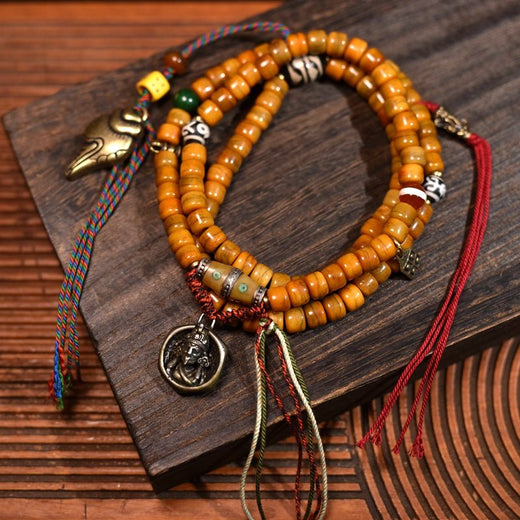
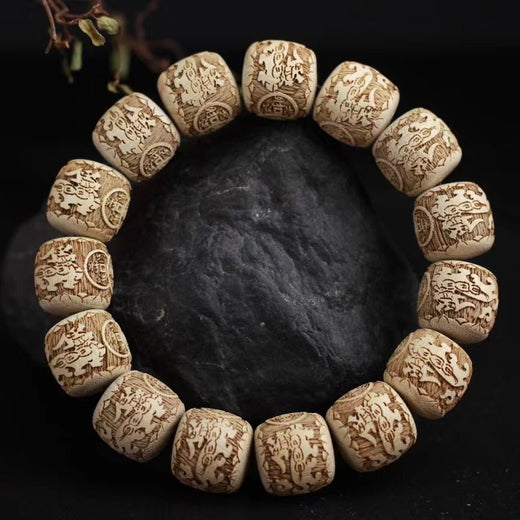
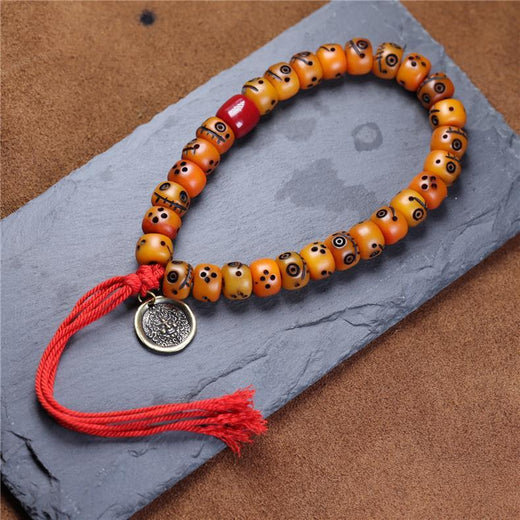
Keep reading