buddhist-jewelry
Jade Pendant Meaning: A Guide to Sacred Carvings
Jade Pendant Meaning: Buddha, Dragon & Traditional Chinese Carvings
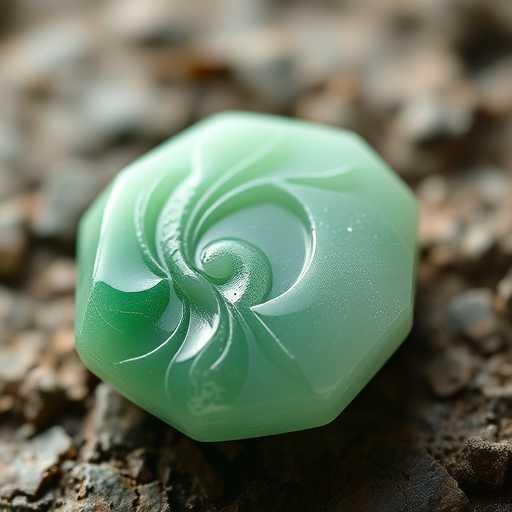
Every piece of carved jade tells a story. It’s a whisper from ancient dynasties, a prayer for protection, a wish for a prosperous life. Yet, in the modern rush to acquire beautiful things, the profound language of these carvings is often overlooked.
Many choose a pendant for its color or shape, unaware that they are selecting a powerful talisman with a specific, centuries-old meaning. Understanding this symbolism transforms a beautiful accessory into a deeply personal artifact, a piece of wearable intention.
if you are choosing for yourself or as a gift, knowing the story behind the stone elevates the entire experience, connecting you to a rich cultural heritage and the specific energy of your chosen authentic jade jewelry.

Jade Pendant Carvings is it’s a whisper from ancient dynasties, a prayer for protection, a wish for a prosperous life.
Why Jade Pendants? The Cultural Logic of Carved Stone
In Chinese culture, jade is far more than a gemstone; it is a conduit for virtue, a shield against misfortune, and a symbol of heaven on earth. The ancient philosopher Confucius likened the qualities of jade to the virtues of a perfect gentleman (君子, jūnzǐ).
Its smoothness represents benevolence, its hardness signifies intelligence, its sharp-but-not-harmful edges symbolize righteousness, and its inner flawlessness, visible from the outside, stands for sincerity. This belief is encapsulated in the old saying, "黄金有价,玉无价" (huángjīn yǒu jià, yù wú jià) — "Gold has a price, but jade is priceless."
This reverence for jade stems from both its physical properties and its metaphysical associations. There are two main minerals classified as jade: Nephrite and Jadeite.
- Nephrite Jade: The traditional jade of ancient China, known for its incredible toughness and creamy, opaque luster. It was used for ritual objects, tools, and the earliest ceremonial jewelry. Its resilience was seen as a metaphor for endurance and moral strength.
- Jadeite Jade: Introduced later from Burma (Myanmar), Jadeite is prized for its vibrant, gem-like colors, especially the intense "Imperial Green." Its translucence and vivid hues are associated with life force, vitality, and spiritual clarity.
The cultural logic is that this stone, born from the mountains and rivers, absorbs the essence of the earth (地气, dì qì) and the heavens (天气, tiān qì). It is considered a living substance that resonates with the wearer's own life force, or qi (气).
A jade pendant, worn close to the heart, is believed to harmonize the body's energy, calm the spirit, and protect the wearer by absorbing negative influences. It is said that if a person is in danger, their jade will break to spare them from harm.
Carving a specific symbol into the jade is not merely decorative; it is an act of spiritual programming. The carver imbues the stone's inherent protective and virtuous qualities with a focused intention. A dragon carving channels the stone's energy towards power and success.
A Guanyin carving directs it towards compassion and mercy. The combination of the sacred stone and the sacred symbol creates a talisman of immense personal and cultural significance. To fully understand the meaning of green jade is to appreciate this synergy between material and message.
Buddha Jade Carvings — Which Buddha and What It Means
For those on a spiritual path, a Buddha jade pendant is a constant reminder of the virtues of enlightenment, compassion, and inner peace. However, the term "Buddha" is often used as a catch-all for several different figures, each with a unique meaning and intention.
Choosing the right one depends on the specific spiritual qualities you wish to cultivate.
The Laughing Buddha (Budai / 布袋)
Perhaps the most popular and recognizable figure, the Laughing Buddha is not, in fact, Siddhartha Gautama, the historical founder of Buddhism. He is a semi-historical Chinese monk named Budai who lived in the 10th century.
His name means "Cloth Sack," referring to the bag he always carried, which was said to contain precious items and sweets for children.
- Symbolism: Budai is the ultimate symbol of happiness, contentment, and abundance. His large, exposed belly is a sign of magnanimity and good fortune, not gluttony. His joyful smile is infectious, reminding us to find joy in the simple things. He is often depicted with a sack (which never empties), a string of prayer beads, or surrounded by children. * Intention: Wear a Laughing Buddha pendant to attract good luck, prosperity, and positivity. He is a powerful antidote to stress and anxiety, encouraging a lighthearted and generous spirit. It is believed that rubbing his belly daily will bring your wishes to fruition.
Guanyin, Bodhisattva of Compassion (观音)
Guanyin is one of the most beloved figures in East Asian Buddhism. As a Bodhisattva, she is an enlightened being who has postponed her own nirvana to help all sentient beings achieve enlightenment. Her name, Guanshiyin (观世音), means "She Who Perceives the Sounds of the World," signifying her ability to hear the cries of all who suffer.
- Symbolism: Guanyin embodies boundless mercy, unconditional love, and profound compassion. Though Avalokiteshvara (her Sanskrit name) was originally depicted as male, in China she is almost exclusively portrayed as a gentle, graceful female figure. She often holds a vase of pure water to cleanse the world of suffering, a willow branch to heal illness, or a lotus flower to represent purity.
- Intention: A Guanyin pendant is a powerful talisman for protection, especially for women, children, and travelers. People pray to her for comfort in times of distress, for healing, for peace of mind, and for fertility. Wearing her image is a call for compassion in one's own life and a request for her merciful gaze to fall upon you.
Siddhartha Gautama, The Historical Buddha (释迦牟尼)
This carving depicts the man who started it all, Siddhartha Gautama, the prince who renounced his throne to seek the end of suffering. He is typically shown in a state of deep meditation, often with his hands in a specific mudra (symbolic gesture).
- Symbolism: This image represents the ultimate goal of the Buddhist path: enlightenment, wisdom, and liberation from the cycle of rebirth (samsara). The serene expression, closed or half-closed eyes, and calm posture all point to a state of profound inner peace and clarity. The "ushnisha," or bump on top of his head, symbolizes his expanded wisdom, and the "urna," a dot between his eyebrows, represents his third eye of spiritual vision.
- Intention: A pendant of the meditating Buddha is for those on a serious spiritual journey. It is a tool for mindfulness, a reminder to stay present, and an inspiration to seek wisdom and understanding. It is not so much a charm for worldly luck as it is a guide for the inner path, helping the wearer to cultivate tranquility and detachment from worldly desires and struggles.
Amitabha Buddha (阿弥陀佛)
Amitabha, the Buddha of Infinite Light, is a central figure in Pure Land Buddhism, a widely practiced school in East Asia. He resides in the Western Paradise (Sukhavati), a world of beauty and peace where beings can be reborn to continue their path to enlightenment without the distractions of our world.
- Symbolism: Amitabha represents boundless compassion, longevity, and spiritual guidance. He made vows to save all beings who call upon his name with sincere faith. His image is one of reassurance and infinite grace, a beacon of hope for a peaceful transition in this life and the next.
- Intention: Wearing an Amitabha pendant is an expression of faith in his vows and a wish for a long, healthy life. It is particularly meaningful for the elderly or those seeking spiritual solace and a connection to a higher world of consciousness. It serves as a reminder of his infinite light, which dispels darkness and fear.
Dragon Jade Pendants — Power, Protection, and Imperial Symbolism
Forget the fire-breathing, treasure-hoarding beasts of Western mythology. The Chinese dragon, or Lóng (龙), is a divine, benevolent creature, a composite of nine different animals, and a symbol of ultimate power and good fortune.
It is not a creature of destruction but one of creation, controlling the rain, typhoons, and floods—the very elements of agricultural and societal success.
For millennia, the dragon was the exclusive symbol of the Emperor of China, the "Son of Heaven." To wear the dragon was to align oneself with imperial power, authority, and divine right to rule.
Today, a dragon jade pendant carries these connotations of ambition, success, leadership, and personal power. It is a talisman for those who wish to command respect, overcome obstacles, and achieve greatness in their endeavors.
The symbolism of a dragon pendant is multifaceted:
- Power and Strength: The dragon represents unparalleled physical and spiritual strength. It is a symbol for conquering challenges and rising to the top.
- Good Fortune and Prosperity: As masters of the weather and water, dragons bring the rain that ensures a bountiful harvest. They are therefore powerful magnets for wealth and abundance.
- Protection: A dragon is a formidable guardian, warding off evil spirits and negativity. Wearing a dragon pendant creates a shield of protective energy around the wearer.
- Yang Energy: In the cosmic balance of yin and yang, the dragon is the ultimate embodiment of yang—the active, masculine, and celestial principle.
The Dragon and Phoenix (龙凤呈祥)
A frequent and highly auspicious pairing in Chinese art is the Dragon and the Phoenix (Fènghuáng, 凤凰). While the dragon represents the masculine yang energy and the Emperor, the phoenix represents the feminine yin energy and the Empress.
Together, they symbolize a perfect union, marital bliss, and everlasting love. A jade necklace featuring both the dragon and phoenix is one of the most popular wedding or anniversary gifts, representing the harmonious balance between partners and the promise of a fruitful and successful marriage.

Koi Fish, Lotus, and Other Natural Motifs
Beyond gods and mythical beasts, the natural world provides a rich vocabulary of symbols for jade carvers. These motifs connect the wearer to the rhythms of nature and the specific virtues embodied by each plant or animal.
Koi Fish (鲤鱼, Lǐyú)
The koi is a powerful symbol of perseverance, courage, and success. This meaning comes from the ancient legend of the koi fish that bravely swam upstream against the current of the Yellow River. When it finally reached a waterfall known as the Dragon Gate, it made a final, heroic leap and was transformed into a mighty dragon.
Wearing a koi fish pendant is an encouragement to persist through adversity, with the promise of great reward and transformation upon achieving one's goals. Furthermore, the word for fish (鱼, yú) is a homophone for the word for surplus or abundance (余, yú), making the koi a popular charm for wealth and prosperity.
Lotus Flower (莲花, Liánhuā)
Deeply significant in Buddhism, the lotus flower is the ultimate symbol of purity, enlightenment, and spiritual rebirth. The lotus plant grows in muddy, stagnant water, yet its blossom rises above the surface, pristine and untouched by the grime below.
This journey is a metaphor for the human spirit's ability to rise from the suffering and attachments of the material world (the mud) to achieve enlightenment and purity (the blossom). A lotus pendant is a reminder that beauty and wisdom can emerge from even the darkest of circumstances.
Bamboo (竹, Zhú)
Bamboo is a symbol of integrity, resilience, and longevity. It is strong yet flexible, bending in the fiercest storms but never breaking—a lesson in adapting to life's challenges without compromising one's core values. Its straight, segmented stalk represents an upright character and the step-by-step progress on the path to wisdom.
Its hollow center symbolizes humility and an open mind, ready to receive knowledge. A bamboo carving is for those who value strength of character and graceful endurance.
Pi Xiu / Pi Yao (貔貅, Píxiū)
The Pi Xiu is a fierce-looking mythical creature with the head of a dragon, the body of a horse, and the claws of a lion. Despite its intimidating appearance, it is a powerful and auspicious guardian.
Legend says the Pi Xiu violated a law of heaven and was punished by the Jade Emperor, who restricted its diet to gold and silver and sealed its anus. As a result, the Pi Xiu can only consume wealth without ever expelling it.
This makes it the ultimate symbol for attracting and accumulating riches. Business owners and investors often wear a Pi Xiu pendant to draw in wealth and protect their fortunes from flowing away.
Other Powerful Symbols
- Gourd (Hulu, 葫芦): This bottle-shaped gourd is a symbol of healing, longevity, and the warding off of evil spirits. It is often associated with the Daoist Eight Immortals and is believed to absorb negative qi.
- Peach (桃, Táo): In Chinese mythology, the peaches from the garden of the Queen Mother of the West grant immortality. As such, the peach is a potent symbol of long life and good health, often gifted to elders.
- Cabbage (白菜, Báicài): This humble vegetable is a clever visual pun. Its name sounds like "百财" (bǎi cái), which means "one hundred types of wealth." A jade cabbage is a wish for endless prosperity from many sources.
- Cicada (蝉, Chán): Due to its long life cycle and dramatic emergence from the earth, the cicada is a powerful symbol of rebirth, immortality, and rising to fame.
Choosing a Jade Pendant for Your Intention
With such a rich lexicon of symbols, choosing the right jade pendant can feel overwhelming. The best approach is to focus on your primary intention or the well-wishes you want to bestow upon a recipient. The pendant will serve as a daily, tangible reminder of this goal.
Here is a simple guide to match intentions with common carvings:
-
For Protection & Safety:
- Guanyin: For compassionate protection, especially for women, children, and those in distress.
- Pi Xiu: For fierce protection against negativity and financial loss.
- Dragon: For powerful, authoritative protection and warding off evil.
- Safety Donut (平安扣, Píng'ān Kòu): A simple disc shape for all-around peace and safety.
-
For Wealth & Prosperity:
- Laughing Buddha: For happiness, good fortune, and abundant blessings.
- Pi Xiu: The ultimate symbol for attracting and retaining wealth.
- Koi Fish: For abundance (surplus) and the success that leads to wealth.
- Cabbage: A direct wish for a hundred forms of wealth.
-
For Love & Harmony:
- Dragon & Phoenix: The supreme symbol for marital bliss and a perfect partnership.
- Mandarin Ducks: Often depicted in pairs, they represent lifelong fidelity and devotion.
- Guanyin: For cultivating unconditional, compassionate love.
-
For Spiritual Growth & Wisdom:
- Meditating Buddha (Siddhartha): For those seeking enlightenment, inner peace, and mindfulness.
- Lotus Flower: A reminder of the path to purity and spiritual awakening.
- Bamboo: To cultivate integrity, resilience, and an open mind.
-
For Career Success & Ambition:
- Dragon: For leadership, power, and achieving great heights.
- Koi Fish: Symbolizing perseverance to overcome challenges and achieve transformation (promotion).
- Ruyi Scepter: A symbol of authority and the fulfillment of wishes, literally "as you wish."
-
For Health & Longevity:
- Gourd (Hulu): A powerful symbol of healing and long life.
- Peach: The mythical fruit of immortality, a direct wish for a long, healthy life.
- Amitabha Buddha: The Buddha of Infinite Light and Life.
Ultimately, the most powerful pendant is the one that resonates with you personally. Let your intuition guide you as you explore our full collection of jade pendants and jewelry.
Gifting Jade Pendants — Cultural Protocols
Gifting jade is one of the most profound expressions of love, respect, and well-wishes in Chinese culture. It is a gesture that says, "I wish for your protection, your health, and your happiness." Because of this deep significance, there are certain cultural considerations to keep in mind.
The act of giving jade is seen as a transfer of positivity. It is believed that the jade itself chooses its owner. Once worn, the pendant begins a process known as "raising jade" (养玉, yǎng yù).
The stone absorbs the wearer's natural oils and qi, often causing its color to deepen and its luster to improve over time. The jade becomes a part of the wearer, a living record of their life force.
This is why antique jade pieces that have been worn for generations are so highly prized; they contain the energy of ancestors.
When choosing a jade gift, consider the recipient's stage in life and your wishes for them:
- For a Newborn or Child: A simple "safety donut" (平安扣) or a small Guanyin pendant is a traditional gift to wish them a safe, healthy, and protected life.
- For a Student or Young Professional: A Koi Fish or Bamboo pendant can offer encouragement for their journey of learning and career growth.
- For a Romantic Partner or Spouse: A Dragon and Phoenix carving is the ultimate symbol of love and harmony. A simple heart shape is also a modern, popular choice. A jade bracelet can also be a wonderful gift of love.
- For Parents or Elders: Pendants carved with Peaches, Gourds, or symbols of longevity are a beautiful way to express your wish for their continued health and long life.
- For a Business Partner: A Pi Xiu or Dragon pendant is an appropriate and powerful gift to wish them success and prosperity.
When presenting the gift, it is often done with both hands as a sign of respect. The intention behind the gift—the specific meaning of the carving you chose—should be explained. This elevates the gift from a mere object to a heartfelt blessing.
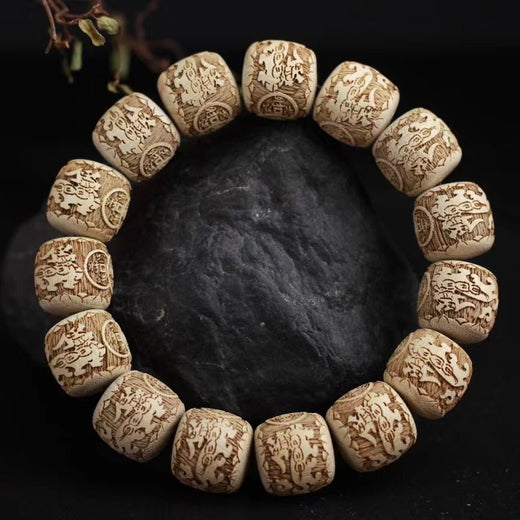
Explore our white jade Bodhi bracelet.
Frequently Asked Questions
1. What does it mean if my jade pendant breaks?
In traditional belief, if a piece of jade breaks, it is a sign that it has fulfilled its protective purpose. It is said that the jade absorbed a significant blow of misfortune, bad luck, or physical harm that was meant for you, sacrificing itself in the process.
You should thank the broken piece and bury it respectfully in the earth, perhaps under a plant or tree. It is not recommended to repair or continue wearing a broken piece, as its protective energy is considered spent.
2. Can I wear a Buddha jade pendant if I'm not a Buddhist?
Absolutely. The figures and symbols from Buddhism, such as the Laughing Buddha or Guanyin, have transcended religious boundaries to become universal symbols of positive values. Wearing a Laughing Buddha is an embrace of joy and contentment.
Wearing Guanyin is an embrace of compassion. As long as you wear the pendant with respect for its meaning—for instance, not wearing it into unclean places or during intimate moments—it is seen as a positive affirmation of these universal virtues, regardless of your personal faith.
3. How do I cleanse my jade pendant?
Jade is a durable but porous stone. The best way to physically clean it is to gently wipe it with a soft, damp cloth and lukewarm water. Avoid harsh chemicals, detergents, and ultrasonic cleaners, which can damage the stone's polish and internal structure.
For energetic cleansing, some people like to leave their jade under the light of a full moon overnight, smudge it with sage or sandalwood smoke, or simply hold it under cool running water while visualizing any negativity being washed away.
4. Does the color of the jade pendant matter?
Yes, the color adds another layer of meaning to the pendant. While the carving dictates the primary intention, the color influences its energetic properties. Green is the most classic color, associated with life, growth, harmony, and health.
Lavender jade is connected to spirituality and tranquility. Red or brown jade is grounding and stimulating. White jade is seen as pure and calming. Black jade is highly protective. The meaning of different jade colors can help you further refine your choice.
5. What is the meaning of a simple jade donut or disc?
This simple, elegant shape is one of the oldest and most popular forms of jade pendants. It is called a "Píng'ān Kòu" (平安扣), which translates to "Peace and Safety Buckle." The round shape symbolizes the wholeness of heaven and the endless cycle of life, while the hole in the center is for concentrating and channeling positivity.
It is a powerful, understated amulet for general well-being, protecting the wearer from accidents and bringing peace and tranquility to their life.
6. How can I tell if a jade pendant carving is authentic?
Authentic, high-quality carving has a sense of "life" or spirit (神韵, shényùn) that is absent in mass-produced, molded pieces. Look for fine details, smooth and fluid lines, and a good polish even in the small crevices.
Hand-carved pieces may have minuscule, unique tool marks, whereas molded resin or polymer imitations will look too perfect and plasticky. The best way to ensure authenticity is to purchase from a reputable dealer who is transparent about the type of jade (Nephrite or Jadeite) and its origin.
7. Is it bad luck to buy jade for yourself?
This is a common misconception. While receiving jade as a gift is considered extremely auspicious, there is absolutely no bad luck associated with buying it for yourself. In fact, choosing a jade pendant for yourself is a powerful act of self-care and intention-setting.
It is an investment in your own well-being, protection, and personal journey. When you are drawn to a specific piece, it is often said that the jade is choosing you, and you should honor that connection.
A Story Worn Close to the Heart
A jade pendant is not only a piece of jewelry. It is a vessel of history, a carrier of intention, and a personal guardian. Each carving—whether it’s the joyful smile of the Laughing Buddha, the imperial power of the Dragon, or the serene purity of the Lotus—offers a unique story and a specific energy.
By understanding this ancient language of symbols, you can select a piece that does more than adorn your body; you can choose a talisman that aligns with your soul's deepest aspirations.
We invite you to find the carving that tells your story. Explore our curated collection of authentic jade pendants and choose the meaning that will guide your path.
Keep reading