buddhist-jewelry
Tibetan Clothing: A Guide to Chuba & Sacred Dress in 2026
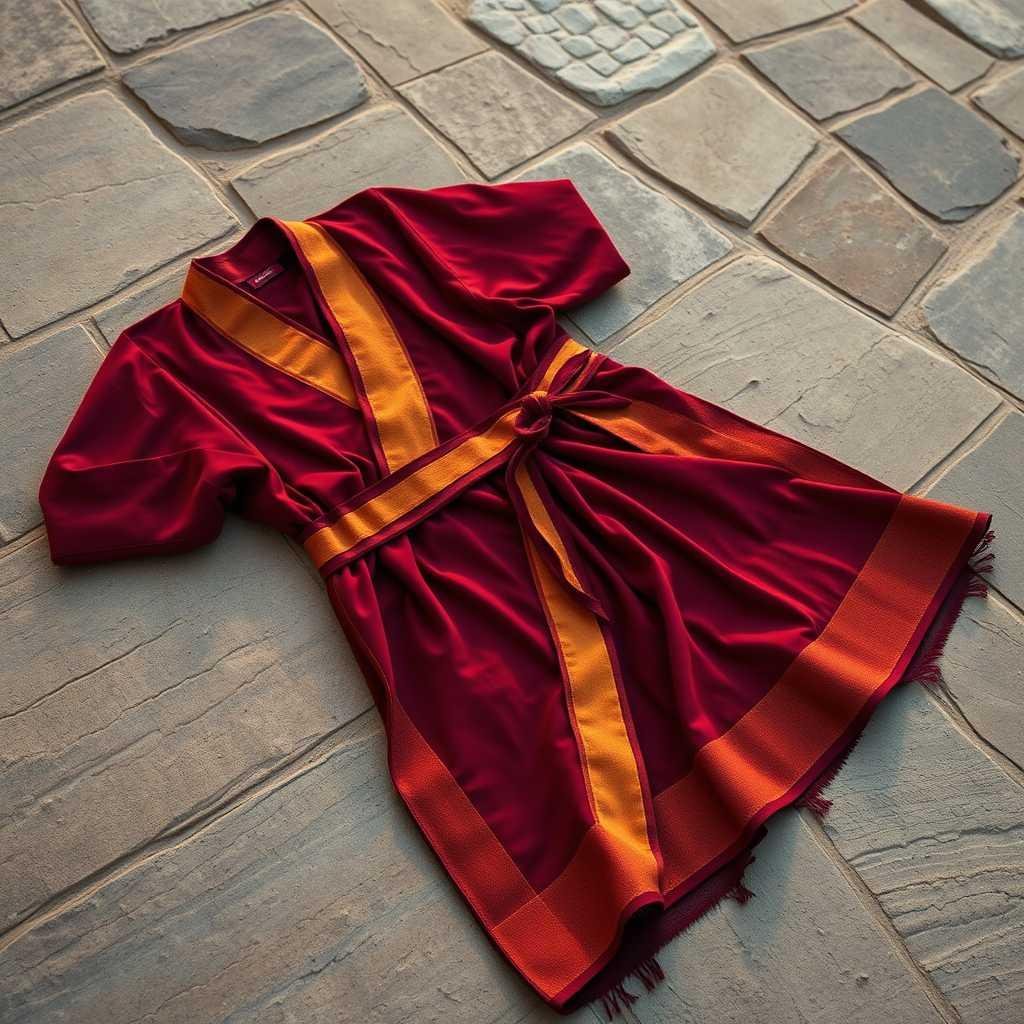
You’ve felt it before. Standing in front of your closet, looking at a dozen fast-fashion pieces that felt exciting for a week and now feel… empty. They don’t hold stories. They don’t feel like they belong to you, not really.
You might be feeling a pull toward something more, something with weight and history. It’s a quiet yearning for authenticity in a world of endless digital noise and disposable trends. This is often where a journey of curiosity begins, and it might be what led you to explore the world of traditional Tibetan clothing.
It's more than fabric; it's a connection to a lineage of resilience, artistry, and profound meaning, something you can feel the moment you touch it. In our traditional Tibetan clothing collection, we see these pieces not as costumes, but as companions for your path.
The Foundation: more than a Robe
When you first see a Chuba, the iconic Tibetan garment, your mind might jump to "robe" or "costume." That's a common starting point, but it misses the soul of the garment entirely. The biggest misconception is that Tibetan clothing is purely ceremonial or symbolic.
In reality, it's one of the most practical and ingenious designs born from the demanding environment of the Himalayas. Think of the Chuba not as a dress, but as a portable home. Since the 7th century, nomads on the high plateau needed a single garment that could serve as a warm coat during frigid mornings, be adjusted for strenuous midday work, and even function as a blanket on a cold night.
The long, wide sleeves can be rolled up for work or pulled down over the hands for warmth. The waist, tied with a sash (kera), creates a huge, billowed pocket—the original utility jacket—large enough to carry everything from tsampa bowls to small personal items, and sometimes even a small child.
This practicality is woven directly into its spiritual and cultural significance. The design hasn't changed much across centuries because it works perfectly for the life it was created for. It embodies a core Buddhist principle: finding clarity and wisdom in simple, functional forms.
The materials tell their own story. Heavy, hand-loomed wool (nambu) from high-altitude sheep—often weighing 3 to 4 kilograms per bolt—provides unparalleled insulation. Silk brocade, often used for collars, cuffs, and formal wear, signifies special occasions and respect.
Each region in Tibet has its own variation, a dialect of dress. A Chuba from Amdo might be made of sheepskin, while one from Lhasa could be of dark, heavy wool with intricate borders woven in gold thread.
This isn't just fashion; it's a statement of identity, heritage, and belonging. Understanding this foundation shifts your perspective. You're no longer looking at an exotic outfit, but at a piece of living history, a a sign of human adaptation and artistry.
It's a garment that has sheltered, warmed, and identified a people for generations, carrying the scent of juniper incense and the memory of mountain winds within its folds.

Why This Matters More Than Ever in 2026
You might be wondering, "This is beautiful, but what does a centuries-old Tibetan garment have to do with my life, my anxieties, my search for meaning right now?" It's a fair question. The answer lies not in trying to replicate a Tibetan lifestyle, but in understanding the values these garments represent and how they offer a powerful antidote to the pressures you face today.
Let's talk about burnout. You're likely familiar with the feeling—the constant pressure to produce, optimize, and keep up. Your wardrobe often reflects this. Trends cycle at a dizzying pace, encouraging you to buy, discard, and repeat.
It's exhausting and unsustainable. A piece of traditional Tibetan clothing is the complete opposite. It's not a trend; it's a heritage. An authentic Chuba is an investment piece, crafted with skills passed down through generations.
The artisans in our Kathmandu atelier don't rush. They weave with intention, often spending three to six months on a single garment. When you choose such a piece, you are making a conscious decision to step off the hamster wheel of disposability.
You are choosing something that lasts, something that tells a story of patience and mastery. In a few years, when the micro-trends of today are forgotten, this piece will still be with you, its character deepening with time.
It becomes a quiet, daily reminder to value permanence over fleeting novelty—a steady anchor against the tide of professional and social pressure.
Then there's the question of identity. In a world of curated social media feeds, it's easy to feel like you're constantly performing, trying on different versions of yourself to see what fits. This can lead to a deep sense of disconnection from who you truly are.
A garment like a Chuba offers a different way to think about self-expression. It isn't about adopting a new identity, but about connecting to a universal human story of resilience and community. When you wear a piece made by Master Tenzin from our Boudhanath workshop, you are not pretending to be Tibetan.
You are honoring a tradition of craftsmanship and connecting with the human hands that made it. This act of appreciation can be deeply grounding. It shifts the focus from "Who should I be today?" to "What values do I want to embody?" It's a tangible link to something real, rooted in the Tibetan plateau's high valleys, and deeply human, which can be a genuine comfort when you're working through the murky waters of self-discovery.
Finally, these garments offer a form of mindful rebellion. They are the antithesis of the instant-gratification culture that fuels so much of our modern anxiety. They are slow, deliberate, and substantial. Choosing to learn about and wear one of these pieces is a vote for a different set of values: for artistry over automation, for heritage over hype, and for mindful consumption over mindless accumulation.
It's a quiet statement that you are seeking something more, something that nourishes your spirit, not only your social feed. This is why it matters in 2026. Because the solutions to our very modern problems are often found in the wisdom that has sustained Tibetan communities since the 7th century.
The Real Benefits: How Wearing Intention Changes You
Beyond the cultural appreciation and the stand against fast fashion, incorporating elements of Tibetan dress into your life can have a tangible effect on your inner state. It’s a concept modern psychology calls “enclothed cognition”—the idea that the clothes you wear can systematically influence your thoughts and feelings.
But in the Himalayas, this has been understood for centuries. A garment is never just a garment; it is a support for your practice and a reflection of your intention.
A Wearable Practice in Mindfulness
Think about your morning routine. How much of it is on autopilot? You grab a shirt, pull on pants—it's a thoughtless, mechanical process. Now, imagine something different. The act of putting on a Chuba, or even a simpler Tibetan-style shirt, requires a moment of presence.
You have to fold the fabric just so, wrap it around your body, and secure the sash. It’s a small, deliberate ritual. In that moment, you are fully present with the texture of the wool, the weight of the garment, and the movement of your own body.
This simple act becomes a form of mindfulness, a two-minute meditation that grounds you before your day even begins. It’s a physical reminder to move with intention. The weight of the fabric on your shoulders is not burdensome; it’s a gentle, constant reminder of your own presence, your own body in space.
It can help you feel more rooted and less swept away by the digital torrent of emails and notifications that awaits.
Connecting to a Lineage of Resilience
When you feel overwhelmed by your own challenges—a looming deadline, a difficult conversation, a sense of uncertainty about the future—it’s easy to feel isolated. Holding or wearing a piece of authentic Tibetan clothing connects you to a story far bigger than your own.
This isn't just wool; it's wool from sheep that have survived harsh Himalayan winters. It wasn't made in a faceless factory; it was woven by artisans whose craft has been a lifeline for their communities through immense historical upheaval.
The steady hand of the weaver, the patience of the dyer, the resilience of the nomadic shepherd—all of that strength and perseverance is literally woven into the fabric. When you wrap yourself in it, you are symbolically wrapping yourself in that lineage of fortitude.
It’s a powerful, non-verbal way to remind yourself: “I am connected to a long history of strength. I can handle this.” It’s a source of borrowed resilience on days when your own feels in short supply, a tangible link to the handwoven Himalayan dress pieces that carry these stories.
Embodying Warmth and Open-Heartedness
The very design of a Chuba is generous. It’s ample, open, and creates a space of warmth around the body. This physical structure can influence your psychological state. The large, open chest area in a traditional Chuba is said to represent an open heart.
The secure wrap around the waist provides a feeling of being held and supported. While these are symbolic, the physical sensation is real. Wearing something that feels protective yet unrestrictive can subtly encourage a more open and less defensive posture, both physically and emotionally.
It's a contrast to restrictive, body-conscious clothing that can often heighten self-awareness and anxiety. Instead, the generous cut of Tibetan garments offers a sense of comfort and ease, creating a personal space of warmth that you carry with you throughout the day.
It’s a way of offering yourself the same comfort and generosity that you aspire to offer others.

How To Spot the Real Thing Tibetan Garments
When you're ready to explore bringing a piece of this tradition into your life, you'll want to ensure you're choosing something authentic. The market is flooded with imitations, and telling the difference is key to owning a piece with true integrity.
This isn't about being a purist; it's about honoring the culture and the artisans who've kept these techniques alive. Here's what to look for. You can explore the full cultural context in our in-depth Tibetan clothing guide.
First, consider the material. True Tibetan garments are made from natural, resilient fibers designed for the high-altitude climate. Look for nambu (handwoven wool), which has a substantial, slightly coarse feel and genuine warmth that lasts through decades of wear.
For more formal pieces or accents, you'll find silk brocade, often with symbolic patterns like dragons, clouds, or lotus flowers. A married woman's apron, the Pangden, is famous for its vibrant, striped patterns, traditionally woven from wool on wooden looms in the Lhasa region.
If a garment is made from polyester, acrylic, or a flimsy, shiny satin, it's almost certainly a mass-produced imitation. The real materials have a weight and life to them that synthetics can never replicate.
Next, look at the construction and cut. A traditional Chuba (chuba for women, chupa for men) is a long, wraparound garment with a specific fold-over panel in the front. The sleeves are characteristically long, sometimes extending well past the fingertips—often by three to four inches.
This isn't a design flaw; it's for warmth and protection in mountain weather. You should also look for the quality of the stitching. Hand-finished details, sturdy seams, and carefully applied brocade trim are hallmarks of quality.
Our artisans in Kathmandu take immense pride in these details, which are often overlooked in factory-made versions. Browsing an essentials guide to Tibetan sacred garments can help you recognize these authentic features.
Finally, understand the different types of garments available in an authentic Tibetan garments collection. You don't have to start with a full Chuba. You might find a beautiful silk brocade jacket (Tudung) or a simple, elegant Tibetan-style shirt easier to integrate into your wardrobe.
The Pangden, with its beautiful colors, can be appreciated as a stunning wall hanging or textile art piece. You should also recognize what not to wear. The maroon and saffron robes of ordained monks and nuns hold deep religious significance and are not appropriate for laypeople.
Choosing a lay garment like a Chuba or shirt shows respect for the tradition. Ultimately, choosing an authentic piece is an investment in artistry and culture. It's a piece you'll still wear and cherish in 20 years.
How To Use It Day To Day: Integrating Tradition into Your Modern Life
Bringing a piece of Tibetan heritage into your wardrobe doesn't mean you have to dress in a full ensemble every day. The key is thoughtful integration, finding ways to let these meaningful garments support your life as it is now.
It's about finding a balance that feels respectful and personally significant, not like you're wearing a costume.
For a beginner, the easiest way to start is with a single, versatile piece. A Tibetan-style shirt made of silk or cotton can be paired beautifully with jeans or simple trousers. A brocade vest or jacket can be worn over a simple black dress or a shirt for a special occasion, adding a layer of texture and story.
This approach allows you to enjoy the craftsmanship and symbolism without feeling out of place. A full Chuba—the traditional robe worn in the Lhasa region and across the Tibetan plateau—can be a wonderful garment for meditation retreats, quiet days at home, or spiritual gatherings where its comfort and symbolism can be fully appreciated.
Think of it less as an everyday outfit and more as a special piece for moments of reflection and ceremony.
Caring for these garments is also a practice in mindfulness. Most authentic pieces made of wool or silk are not meant for a washing machine. Spot cleaning is often best. For a closer clean, gentle hand-washing in cold water or professional dry cleaning is the way to go.
This isn't an inconvenience; it's an opportunity to connect with the piece. As you carefully clean it, you are extending its life and honoring the resources and skill that went into its creation. It's a slow, deliberate act that stands in stark contrast to the modern cycle of wear-and-toss.
You can also create a small ritual around wearing your piece. As you put it on, take a single, conscious breath. You might set a simple intention for the day. If you're wearing a garment with a dragon motif, you might reflect on cultivating gentle strength.
If it has a lotus pattern, you might set the intention to find clarity amidst your busy day. This isn't about complex spiritual gymnastics; it's a simple, one-minute practice to connect your inner state with the outer garment you've chosen to wear.
It transforms the act of getting dressed from a mundane task into a moment of purpose. This is how a piece from our complete guide to the Tibetan Chuba becomes more than clothing—it becomes a part of your journey.
Common Questions About Tibetan Clothing
Is it cultural appropriation for me to wear Tibetan clothing?
This is a thoughtful and important question. The distinction between appropriation and appreciation comes down to your intention and approach. Appropriation happens when a dominant culture takes elements from a marginalized culture without credit, understanding, or respect, often for commercial gain or as a fleeting trend.
Appreciation, on the other hand, involves a genuine desire to learn about, honor, and support the culture. When you purchase from a source like us, who partners directly with Tibetan and Newari artisans in Nepal, you are participating in a respectful exchange that helps preserve their craft.
By taking the time to understand the meaning behind the garments—their history, their function, and their symbolism—you are engaging with the culture, not stealing from it. The key is to wear these pieces with respect, not as a costume, and to be able to share a little about their origin if someone asks.
It's about celebrating the artistry, not claiming an identity that isn't yours.
How can I be sure a garment is authentic and ethically made?
Authenticity is tied directly to ethical production. The surest way is to know the story behind the piece. Ask where it was made and by whom. We believe in complete transparency, which is why we talk about Master Tenzin and our workshops in Boudhanath and Kathmandu.
An authentic piece will be made from traditional, natural materials like wool, silk, and cotton, not synthetics. Look for signs of hand-craftsmanship: slight variations in the weave of the fabric, intricate stitching, and the substantial weight of the material—a quality Chuba typically weighs between 2.5 to 3.5 kilograms.
A price that seems too good to be true probably is; it often indicates mass production and poor-quality materials. An authentic garment is an investment because it reflects the fair wage paid to a skilled artisan and the high quality of the materials used.
It's a piece designed to last a lifetime, not a single season.
What is the difference between a Chuba, a Kimono, and a Hanfu?
While all are beautiful traditional garments from Asia, they have distinct origins, structures, and cultural contexts. A Japanese Kimono is typically made of silk and is known for its T-shape, intricate patterns, and wide obi sash.
It is a very structured and formal garment. A Chinese Hanfu is a broader category of pre-17th century clothing, with many variations, but often characterized by cross-collars and flowing sleeves. The Tibetan Chuba is fundamentally different.
It's born from the harsh, nomadic environment of the Himalayas. Made primarily of thick wool for warmth, its key features are practicality: the wraparound design that allows for temperature regulation, the long sleeves for hand protection, and the large, pouch-like space created by the sash for carrying items.
While all three are culturally significant, the Chuba is uniquely defined by its adaptation to the high-altitude plateau at 12,000 feet and above, making it a symbol of Tibetan resilience and ingenuity.
Are there specific colors or symbols I should be aware of?
Yes, colors and symbols in Tibetan culture are rich with meaning. The five primary colors are deeply significant: blue represents the sky and space, white represents air and clouds, red represents fire, green represents water, and yellow represents the earth.
You'll see these colors in prayer flags and in the details of clothing. Saffron and maroon are colors reserved for the robes of ordained monks and nuns and should be avoided by laypeople. Common symbols you might see on brocade trim include the eight auspicious symbols (Ashtamangala), such as the Endless Knot (representing interdependence) and the Lotus (representing purity and enlightenment).
Dragons are symbols of power and protection, not evil. Understanding these basics can deepen your appreciation for the garment. You don't need to be a scholar, but knowing that the pattern on your cuff represents compassion can be a beautiful, private reminder throughout your day.
Can I wear these clothes if I'm not a Buddhist?
Absolutely. You do not need to be a Buddhist to appreciate the artistry, history, and values embodied in Tibetan clothing. These garments are cultural artifacts as much as they are spiritual ones. They represent a way of life, a heritage of craftsmanship, and a deep connection to the natural world.
Those drawn to these pieces without a Buddhist background often seek authenticity, mindfulness, and a connection to something lasting. The key, again, is respect. By choosing to wear these garments, you are simply showing an appreciation for a culture that has produced something of enduring beauty and utility.
It can be a way to express your own values—of sustainability, artistry, and mindfulness—without needing to adopt a specific spiritual label. It's an invitation to connect with the universal human qualities of resilience and creativity.
How do I wear a Chuba correctly?
Wearing a Chuba is a simple but specific process. You start by putting it on like a large coat. Then, you pull the right side panel across your body. Next, you bring the left side panel over the right one.
This creates the characteristic V-neck. The real trick is creating the pouch. While holding the folded panels in place, you use a long sash, or kera, to tie it securely at your waist.
As you tie it, you pull the fabric up from above the sash, creating a bloused effect and the large pocket at your chest. The sleeves are traditionally worn either long and covering the hands in cold weather or rolled up to the elbow for work.
For a more formal look, an inner blouse with long sleeves, called a wonju, is often worn underneath. There are many videos online that can guide you through the process for the first time.
It might feel awkward initially, but it quickly becomes a simple, grounding ritual.
Your Journey, Woven in Fabric
In the years ahead, the search for meaning will only deepen. The world will continue to accelerate, the digital noise will grow louder, and the pull of the disposable will remain strong. The question is not how you stop the world, but how you choose to ground yourself within it.
Choosing to engage with a tradition rooted in the Himalayan plateau is more than an aesthetic decision; it's a declaration of your values. It's a choice to prioritize substance over surface, longevity over trends, and mindfulness over mindless consumption.
For more context, read our deep get into chuba robe meaning and history.
A piece of authentic Tibetan clothing is not a solution to life's anxieties. But it can be a faithful companion on your journey. It can be the tangible reminder you touch on a difficult day—the weight of hand-loomed wool in your hands—a connection to a story of resilience that helps you find your own.
It can be the quiet ritual in your morning that carves out a moment of peace before the chaos begins. When you choose a piece from our sacred Tibetan dress collection, you are not only buying a garment.
You are becoming a steward of a story, a supporter of artisans in the Lhasa valley, and an investor in a more intentional way of being. This is the piece you will still have, and still love, long after the fleeting trends of today have faded into memory.
Keep reading